America’s 50 largest oil companies have collectively earned more than $130 billion since the start of the war, while U.S. households have paid an estimated $1,127 more for gasoline than during the same period last year.
As drivers across the United States struggle with rising fuel costs, the country’s leading oil companies are reporting enormous profits.
The 50 largest U.S. oil companies have collectively earned more than $130 billion since the beginning of the Iran war, according to an analysis by The New York Times.
Chevron and ExxonMobil alone reported combined earnings of more than $25 billion from July through September, according to financial statements released Thursday.
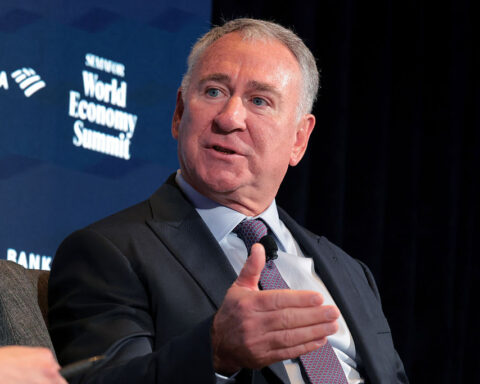
“The higher fuel prices clearly put real pressure on families and businesses, and the most meaningful response that we can make to higher global commodity prices is to pull every lever available to us to increase supply,” Exxon CFO Neil Hansen told The Wall Street Journal.
American Drivers Pay Billions More at the Pump
The financial gains for oil companies come as American consumers face a significant increase in fuel expenses.
According to Brown University’s Iran War Energy Cost Tracker, U.S. drivers had paid an estimated $147.7 billion in additional fuel costs as of Friday morning. That includes $81.5 billion more for gasoline and $66.2 billion more for diesel.
The average American household has spent an estimated $1,127.65 more on gasoline during the war than over the same period in 2025, according to the university’s calculations.
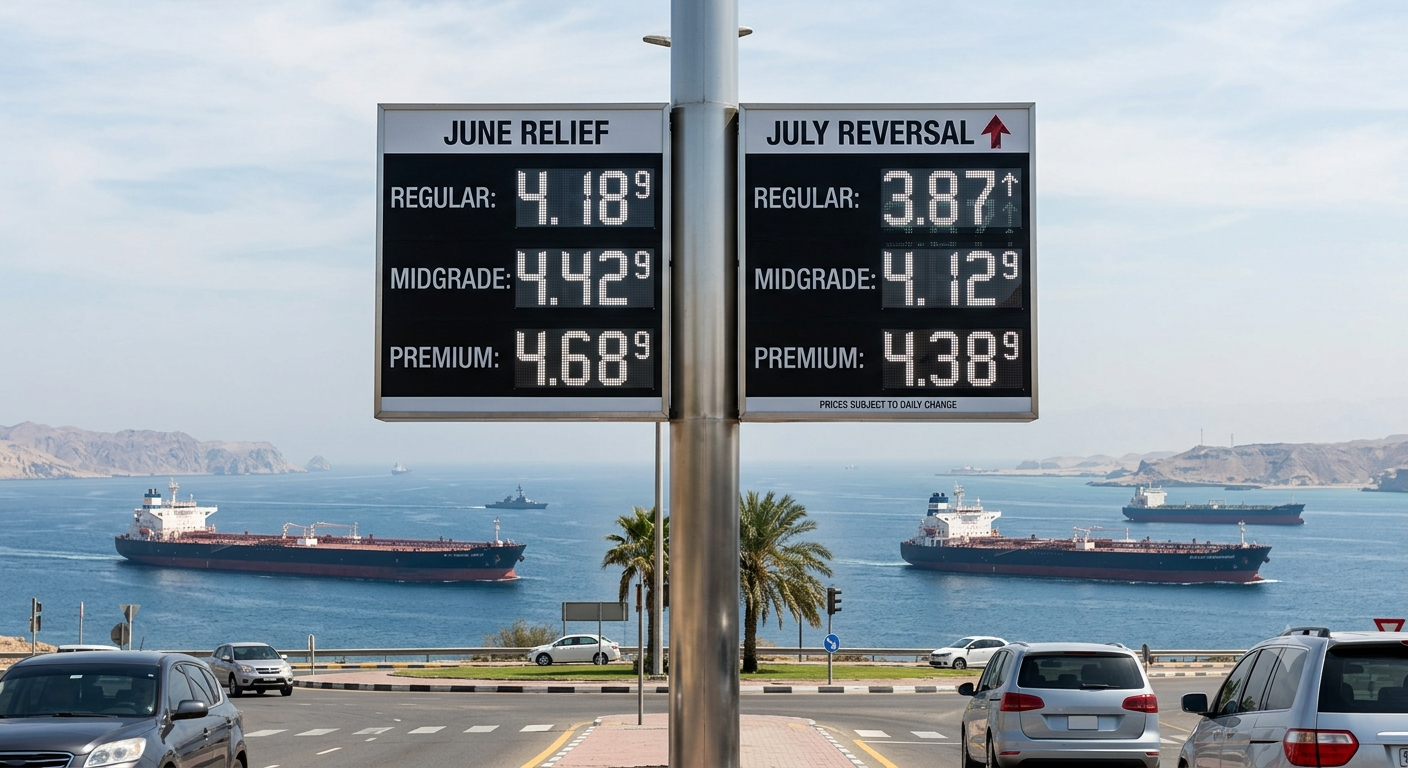
The national average price of gasoline stood at $4.20 per gallon on Friday, marking the third consecutive month that prices have remained above $4, according to AAA.
Patrick De Haan, head of petroleum analysis at GasBuddy, also noted earlier this month that 2026 has seen more days with average gasoline prices above $4 than any other year on record.
Strait of Hormuz Disruption Drives Oil Prices Higher
Gas prices surged after President Donald Trump launched the war against Iran on February 28.
The conflict brought oil shipments through the Strait of Hormuz, a critical shipping route off Iran’s southern coast that handles approximately 20 percent of the world’s oil supply, to a near standstill. The disruption sharply reduced the flow of oil onto global markets and pushed prices higher.
Rising Fuel Costs Become Political Issue Ahead of Midterms
Public frustration over fuel prices is also becoming a political challenge for the Trump administration ahead of next week’s midterm elections.
A Navigator Research survey of 1,004 U.S. voters, published Tuesday, found that approximately 76 percent disapprove of Trump’s handling of gasoline prices.
The survey also found that Democrats have gained an advantage over Republicans in voters’ views on economic issues since the beginning of the Iran war.
“Strong majorities disapprove of Trump’s handling of everyday costs, and Democrats are viewed more favorably than their Republican counterparts — a lead since the beginning of the Iran war,” the survey stated.
With gasoline prices remaining above $4 per gallon, the cost of fuel has become a major concern for American households and an increasingly prominent issue in the final days before the midterm elections.