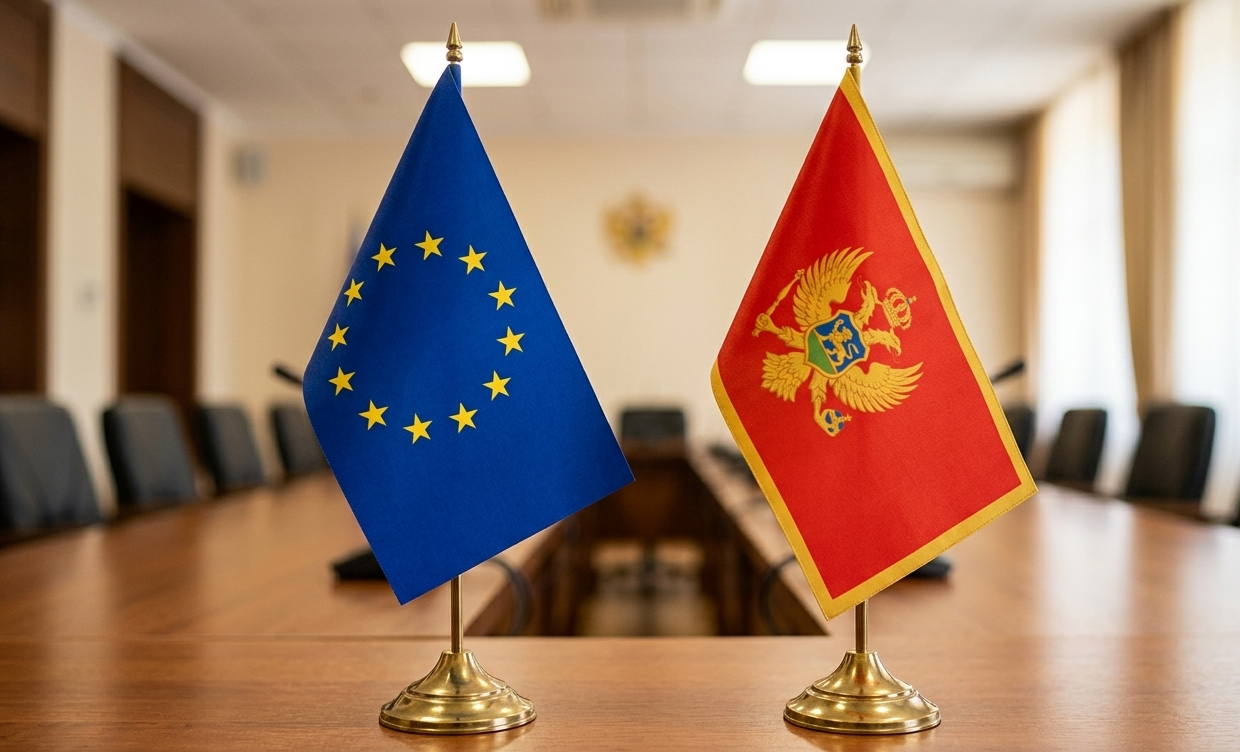
Montenegro is on track to become the European Union’s 28th member in 2028, while Serbia’s stalled European integration process could have a chance for a fresh start.
That was the message from European Commissioner for Enlargement Marta Kos in Brussels on Wednesday, as the European Commission presented its 2026 Enlargement Package.
Kos said that, for the first time since 2011, the European Commission is in a position to conclude accession negotiations with a candidate country — Montenegro.
“Montenegro is on track to become the 28th member of the EU in 2028,” Kos said. The accession treaty could be signed as early as the summer of 2027, provided the country continues to meet the necessary conditions and reforms.
The European Commission considers Montenegro the candidate country closest to EU membership. However, accession will still require the completion of negotiations and ratification of the treaty by all 27 existing EU member states.
Kallas: Montenegro is closest to EU membership
European Commission Vice-President and EU High Representative for Foreign Affairs and Security Policy Kaja Kallas delivered a similar message, describing Montenegro as the country closest to completing its European integration process.
She said Montenegro has a clear path toward signing an accession treaty next year, adding that EU enlargement remains one of the Union’s most important policies for strengthening peace, stability and prosperity across Europe.

Serbia faces a chance for a new beginning
Serbia’s progress toward EU membership has slowed amid concerns over democratic standards, the rule of law and the functioning of democratic institutions.
However, the European Commission’s latest assessment offers Belgrade an opportunity to reset its relationship with the EU and revive the accession process through a renewed commitment to democratic reforms, stronger institutions and fundamental rights.
The Commission has indicated that a new political direction in Serbia could create an opportunity for progress, although significant challenges remain.
Montenegro’s progress and the renewed attention on Serbia highlight the different stages of European integration among Western Balkan countries.
Serbia’s EU Integration Has Gone Backward, but Kos Sees Chance for a Fresh Start
As for Serbia, the European Commission particularly highlighted setbacks in the country’s EU integration process in the areas of fundamental rights, especially freedom of expression, public administration and academic freedom.
“But now Serbia has a chance for a fresh start,” Kos said.
According to the European Commissioner, Serbia now has an opportunity to strengthen its democratic institutions and protect fundamental rights. Brussels expects Belgrade to take concrete steps to make progress toward joining the European Union.
These messages come following the fall of the government led by Aleksandar Vučić, who lost to the Student List in the parliamentary elections held on October 25.