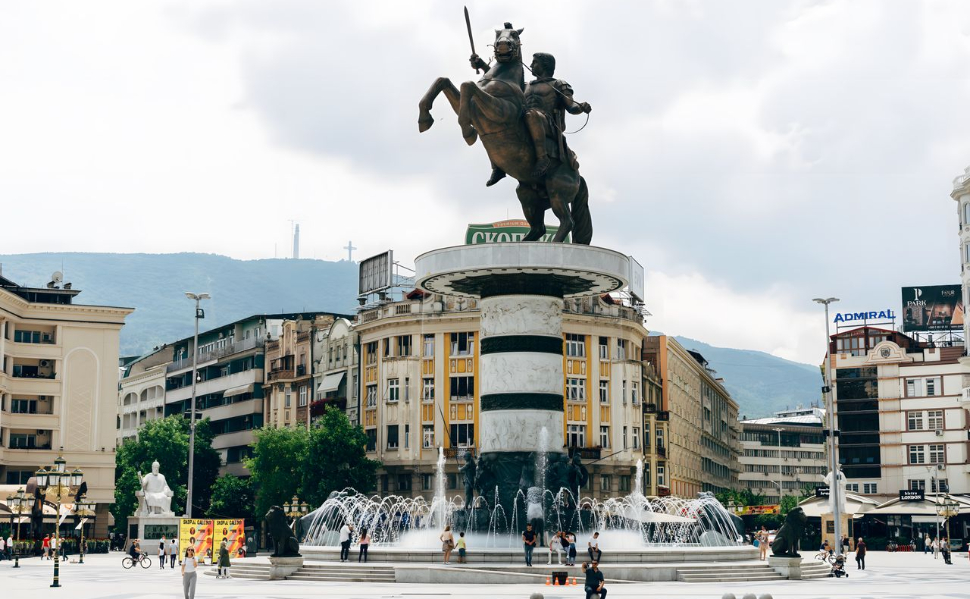
Skopje 2028 is taking shape through an international cultural program that could bring new opportunities for artists, creative organizations and cultural institutions, as Macedonia’s capital prepares to become a Skopje 2028 Offers Up to €150,000 for Cultural Projects
Skopje 2028 is bringing new opportunities for artists and cultural groups as Macedonia’s capital prepares to become a European Capital of Culture.
The program offers up to €150,000 for major cultural projects. It also aims to connect local artists with creative professionals from other countries.
The Skopje 2028 Foundation launched its call for project ideas on August 19. It invited artists, universities, cultural groups and international partners to take part.
The first application deadlines passed in October. Now, the foundation is working toward the next stage of the selection process.
Skopje 2028 Offers Three Funding Options
The program has three funding categories. Each supports projects of different sizes.
Small projects can receive between €3,000 and €9,999. These funds mainly support local art events and community activities.
Meanwhile, medium-sized projects can receive between €10,000 and €24,999. They focus on teamwork, public events and partnerships with artists abroad.
Larger projects can receive between €25,000 and €150,000. These projects should play a major role in the city’s cultural plans.
The selection process for large projects has two stages. First, applicants submit a short proposal explaining their ideas and goals. Then, the foundation invites selected applicants to submit full proposals.
The program also focuses on five themes: Art4Hope, Togetherness, rECOvering, CreARTing and Heritage.
These themes aim to celebrate Skopje’s history while encouraging fresh ideas for its future.
New Connections for Macedonian Artists Abroad
Skopje 2028 also aims to build stronger ties between Macedonian artists and cultural groups around the world.
For example, the program encourages projects that bring artists together across borders. It also seeks to attract new audiences and promote Macedonian culture abroad.
As a result, Macedonian artists living in the United States and Canada may find new ways to connect with cultural groups back home.
However, applicants must meet the program’s rules. Living abroad does not automatically make an artist eligible to apply independently.
The European Capital of Culture title also gives Skopje a chance to reach a wider audience.
In addition, the program could help local artists build lasting partnerships with international groups.
Organizers hope to bring more cultural events to the city and encourage people to take part in creative activities.
Still, the success of Skopje 2028 will depend on how well the city turns its plans into real projects.
As preparations continue, the foundation will need to bring selected ideas together into one cultural program.
Ultimately, Skopje 2028 could help Macedonia’s capital gain greater attention across Europe and strengthen its cultural ties with the rest of the world.
More details are available on the official Skopje 2028 website.