Six American companies have expressed interest in participating in Montenegro’s Adriatic-Ionian Corridor project, as the Balkan country moves forward with a strategic investment partnership with the United States.
The development follows a bilateral agreement signed in Washington on July 24, 2026, which entered into force on August 13. The US Department of State published the agreement’s treaty information on November 3.
According to the Montenegrin government, the infrastructure corridor and a separate border security modernization project are among the first initiatives identified under the partnership.
American Companies Explore Investment Opportunities
The Adriatic-Ionian Corridor is designed to improve regional connectivity by integrating transportation, energy and digital infrastructure.
Montenegro’s government said six US companies responded to a call for expressions of interest in the corridor project.
A seventh American company expressed interest in a separate initiative involving an integrated cargo scanning system and border control modernization.
The proposed border project aims to strengthen customs capabilities, improve cargo inspections and enhance border security.
The calls for expressions of interest were published on August 24 through the US Embassy in Montenegro, targeting American companies with relevant expertise.
The expressions of interest do not constitute finalized investment agreements or construction contracts. Further coordination and project development will be required before implementation.
Washington and Podgorica Expand Strategic Cooperation
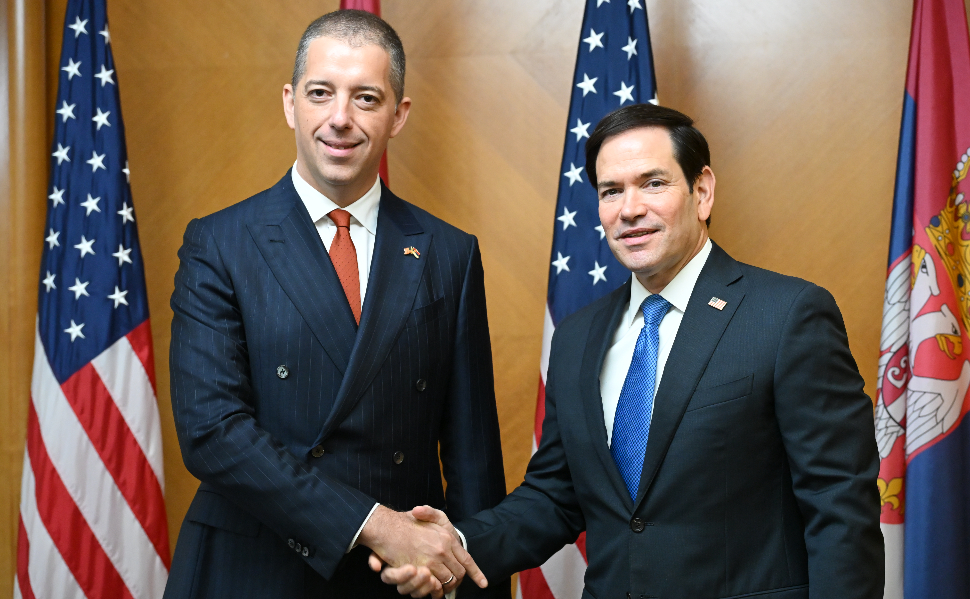
The bilateral agreement provides a framework for cooperation on strategic projects between the United States and Montenegro.
The Montenegrin government has identified institutional coordination as an important next step and proposed establishing commissions to monitor the development of the projects.
The Adriatic-Ionian Corridor could improve Montenegro’s transport links with neighboring countries while supporting broader infrastructure connectivity across the Western Balkans.
The cargo scanning initiative, meanwhile, focuses on modernizing border operations and improving the efficiency of customs inspections.
For Washington, the partnership creates opportunities for American businesses to participate in infrastructure development in a NATO-allied Balkan country.
For Montenegro, it offers a framework for attracting international expertise and exploring investment in major infrastructure projects.
The latest developments highlight an expanding economic dimension of US-Montenegro relations, alongside the countries’ existing diplomatic and security cooperation.
Although no final construction agreements have been announced under these expressions of interest, the participation of seven American companies marks an early step in developing the initiatives.