Serbia’s Corruption Perception Index Plunges – Lowest in 20 Years
According to the 2025 Corruption Perceptions Index (CPI) published by Transparency International, Serbia scored 33 out of 100 and ranked 116th out of 182 countries, marking its lowest position in over two decades. This score represents a decline compared with the previous year and places Serbia behind all Western Balkan countries except Bosnia and Herzegovina. Only Belarus, Turkey, and Russia in Europe scored lower.
This CPI reflects how experts and businesspeople perceive corruption in the public sector, with lower scores indicating deeper problems of integrity, transparency, and public trust in institutions.
Civil Society Leaders Call Data “Alarming”
Nemanja Nenadić, program director of Transparency Serbia, described the CPI results as alarmingly negative, pointing out that Serbia ranks worse than its neighbors and many former Yugoslav republics. He emphasized that even if the government were to implement urgently needed anti-corruption reforms, perceptions would likely not improve quickly.
Nenadić referenced specific institutional challenges, including pressure on the Prosecutor’s Office for Organized Crime (TOK) after it began investigating suspected misuse of power by government figures – stressing that political interference, hostile media campaigns, and legal changes have weakened corruption investigations.
He also criticized a series of public investments and contracts that lacked transparent bidding procedures, citing cases where valuable assets or cultural sites were repurposed through secret deals without public oversight.
Transparency International Points to Institutional Weaknesses
The regional CPI analysis highlights backsliding democratic institutions and weakened rule of law as key drivers behind deteriorating corruption perceptions in Serbia. These factors limit civil society’s ability to hold public institutions accountable, while insufficient judicial action remains a major obstacle to fighting corruption effectively across the region.
International CPI data from the Transparency International global report also shows correlations between weaker governance structures and higher perceived corruption across Eastern Europe and Central Asia, further contextualizing Serbia’s challenges within broader regional trends.
Public Discontent and Protest Movements
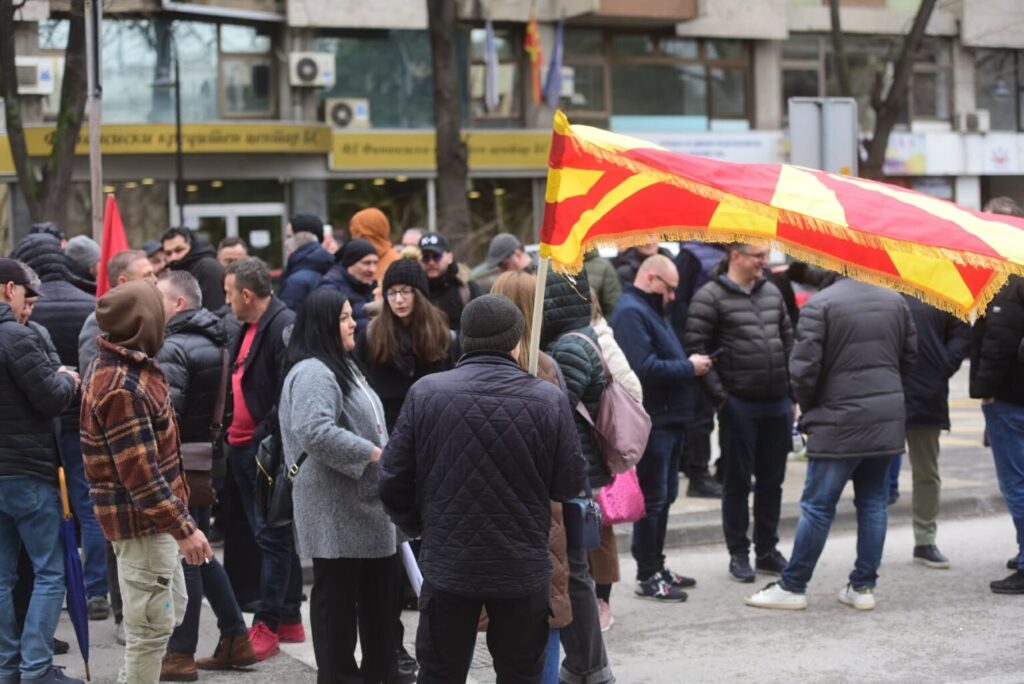
Although not directly part of the CPI results, recent social movements in Serbia – particularly mass student-led protests – center on broader grievances with political transparency, ineffective governance, and lack of accountability linked to perceived corruption. These movements were triggered by high-profile incidents, such as the fatal collapse of a renovated railway station canopy in Novi Sad, which critics and demonstrators have attributed to systemic corruption and poor oversight.