Serbia’s leading ski resort Kopaonik is operating at full capacity this winter, recording between 12,000 and 20,000 skiers per day, while Montenegro’s Žabljak reports ski pass sales and visitor numbers comparable to the previous season, indicating stable and sustained winter tourism activity across the region.
Kopaonik Running at Maximum Operational Capacity
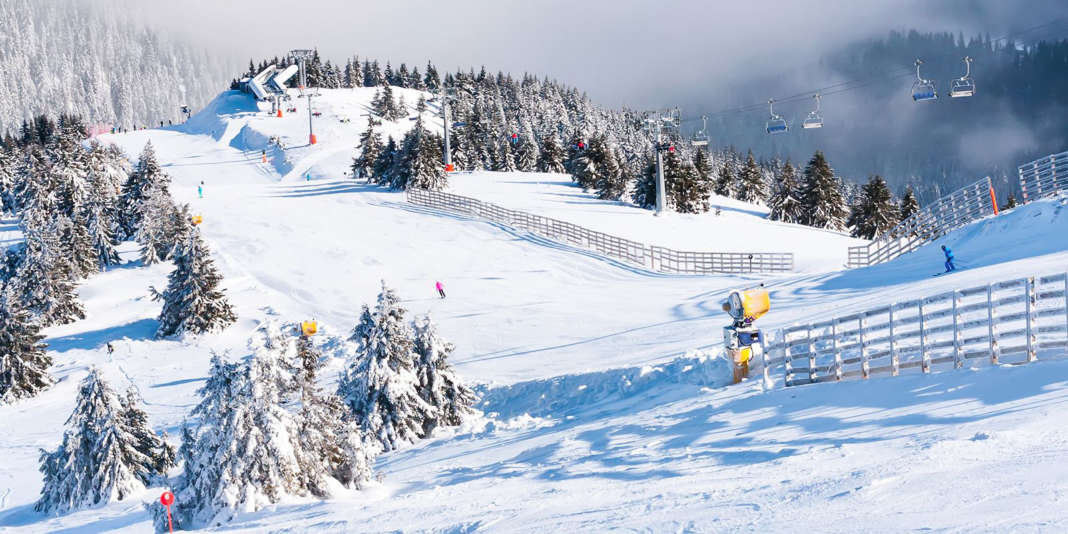
Kopaonik has emerged as one of the busiest winter destinations in the region during the current season. According to resort officials, the ski center is hosting around 12,000 skiers daily on average, with infrastructure and lift systems functioning at full operational capacity.
During peak periods, particularly around the Serbian national holiday of Sretenje, the number of visitors has risen significantly, reaching up to 20,000 skiers in a single day. Reports describe the resort as highly active, with slopes fully utilized and accommodation facilities operating near maximum occupancy.
Darko Jovanović, director of the ski center, confirmed that the winter season has progressed strongly and that the resort’s performance has exceeded initial expectations. All available ski runs are prepared and maintained, and operations continue without interruption despite fluctuating weather conditions.
Officials emphasized that the ski center’s systems, including lifts, grooming equipment and snow maintenance, are fully engaged to support the heavy visitor flow, ensuring safety and continuity of service.
Žabljak Records Stable Winter Season
In Montenegro, the ski center in Žabljak has reported results consistent with last year’s winter tourism season. Since January 12, 2026, approximately 4,500 ski passes have been sold, reflecting a steady demand among domestic and regional visitors.
Tourism representatives indicated that the number of guests, overnight stays and overall ski activity remain on a level similar to the previous year, suggesting continuity rather than growth or decline. While weather conditions have varied, ski facilities have remained operational and visitor turnout has remained stable.
Local tourism authorities highlighted that Žabljak continues to attract both recreational skiers and organized winter visitors, maintaining its position as Montenegro’s key mountain tourism destination.
Weather Conditions and Operational Management
Both Kopaonik and Žabljak have faced periods of warmer temperatures and changing snow conditions during the season. However, resort management teams have adapted operations to ensure that ski slopes remain open.
At Kopaonik, proactive slope preparation and technical maintenance have allowed the resort to sustain full-capacity skiing. In Žabljak, available snow coverage and operational planning have enabled continued use of ski infrastructure despite seasonal challenges.
Resort representatives in both destinations underscored that the stability of the current winter season demonstrates resilience in regional ski tourism, even under less predictable weather patterns.