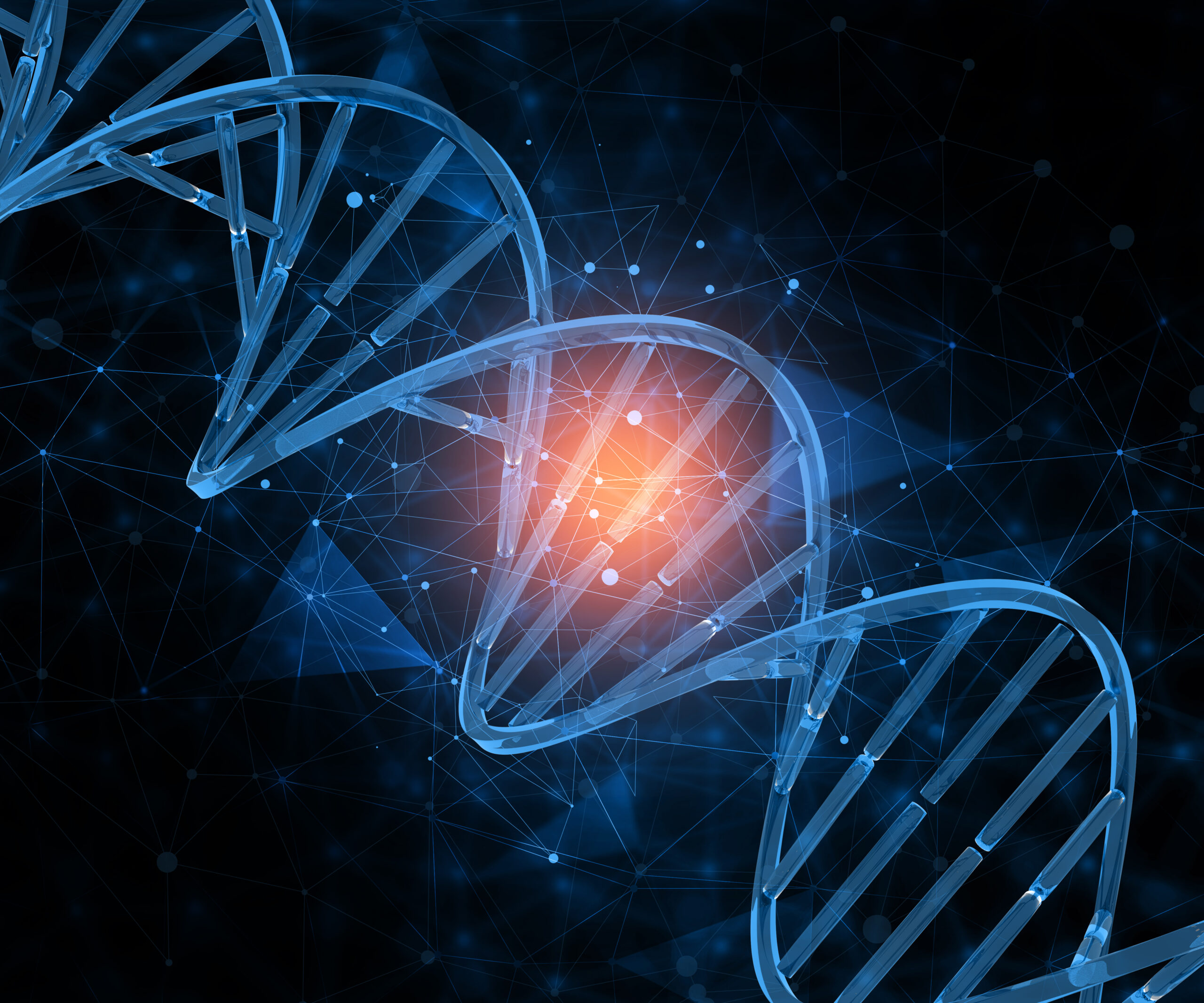
Researchers have announced a groundbreaking advance in data storage technology: a new type of DNA-based hard drive that could preserve digital information for decades – or even centuries – far exceeding the lifespan of today’s conventional storage media. This innovation combines the astonishing durability and density of DNA molecules with the ability to rewrite and reuse data, marking a major step toward the future of archival storage.
What Is DNA Data Storage?
Unlike traditional hard disk drives (HDDs) that rely on magnetic or electronic storage, DNA data storage uses synthetic DNA molecules to encode digital information. DNA is the chemical molecule that stores the blueprints of life – and it has remarkable stability, allowing information to survive for thousands of years under the right conditions.
In this new incarnation, scientists have shown that information stored in DNA can not only be written once, like with optical discs or archival methods, but also erased and rewritten, functioning more like a conventional hard drive. Early experiments demonstrate successful encoding, erasing, and rewriting of digital data at the molecular scale.
Why DNA? The Density and Longevity Advantage
DNA has an unprecedented information density – far beyond silicon chips or magnetic tape. A single gram of DNA could theoretically hold hundreds of petabytes (millions of gigabytes) of data, making it an extremely compact storage medium.
Moreover, DNA can remain stable for extremely long periods if properly preserved. Scientists have already read genetic material from animals tens of thousands of years old, showing that DNA can endure far longer than any electronic storage technology currently in use.
Despite its promise, DNA data storage still faces significant challenges. Synthesizing and sequencing DNA remains far more expensive than traditional storage media. Writing and reading data from DNA is also slower than electronic methods, which limits its performance for everyday applications. In addition, future reading and decoding technologies must be maintained to ensure that the data remains accessible for decades or even centuries.
DNA is not the only technology being explored for ultra‑long storage. Laser‑etched glass storage has also been developed by researchers, including Microsoft. This method can preserve data for over 10,000 years by writing microscopic information into stable glass plates.