Commemoration of the March 2004 events
Serbian officials and representatives of the Serbian Orthodox Church marked the anniversary of the March 2004 violence in Kosovo, describing it as one of the most serious episodes affecting the Serbian population and cultural heritage in the region after the 1999 conflict. Commemorative events were held, including gatherings in Gračanica, where participants paid tribute to victims and highlighted the long-term consequences of the events for the Serbian community.
Human impact and displacement figures
According to the information cited in the reports, the March 2004 unrest led to the expulsion of more than 4,000 Serbs from Kosovo. The events are described as involving widespread violence against Serbian civilians, resulting in displacement and long-term demographic changes in affected areas.
The coverage emphasizes that many of those displaced have not returned to their homes and that the issue of return and reintegration remains unresolved more than two decades later.
Destruction of religious and cultural heritage
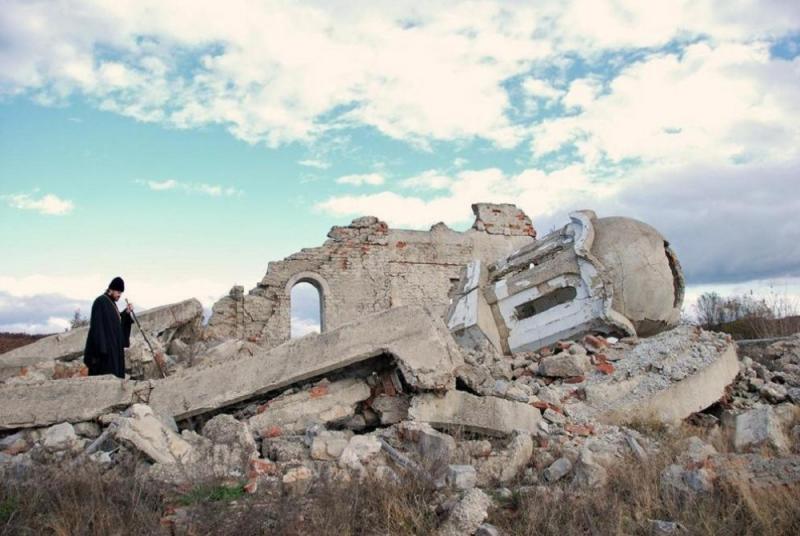
A central element of the commemorations is the destruction of Serbian Orthodox religious sites during the violence. Data cited from the Serbian Orthodox Church states that 35 churches and monasteries were destroyed or severely damaged, along with 18 cultural monuments.
These losses are presented as not only material but also symbolic, reflecting damage to the historical and religious presence of the Serbian community in Kosovo.
Official statements and international messaging
Serbian officials used the anniversary to underline the importance of remembrance and international awareness. Statements highlighted the need to preserve the memory of victims and to ensure that information about the events is communicated beyond Serbia’s borders.
Minister Marko Đurić, speaking at an event abroad, emphasized that Serbia must continue to present its perspective on the events internationally, stressing the importance of remembrance and advocacy regarding the suffering of the Serbian population.
Ongoing political and historical narrative
The anniversary is framed in the reports as part of a broader narrative about the position of Serbs in Kosovo, combining historical interpretation, current political messaging, and unresolved issues related to displacement, cultural heritage, and security.
The commemorations and accompanying statements reflect an effort to maintain focus on the consequences of the 2004 events, presenting them as a key reference point in discussions about the status, rights, and future of the Serbian community in Kosovo.