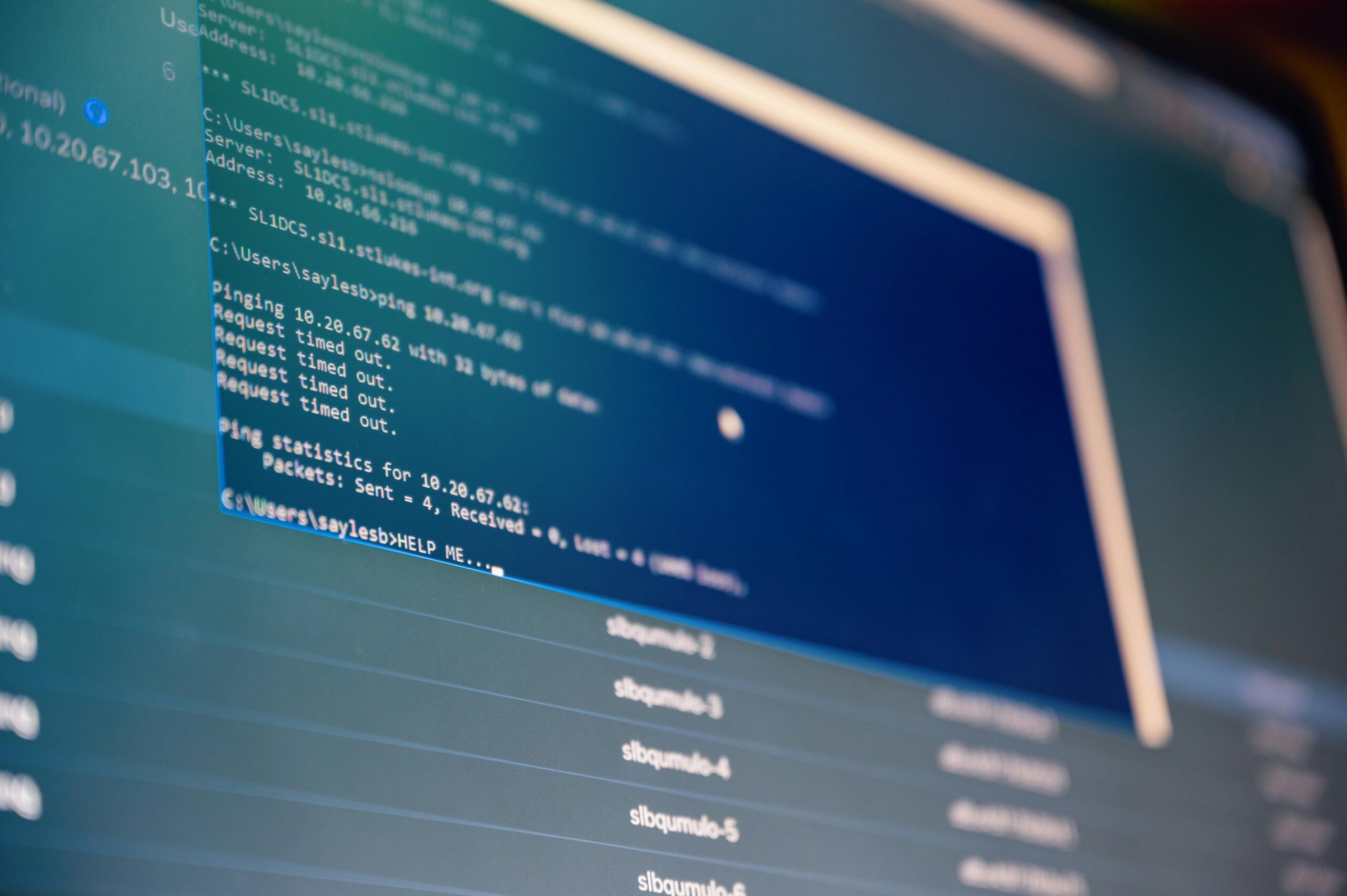
During what was supposed to be a routine weekend, an allegedly automated programming tool turned into the center of a technological crisis that paralyzed the operations of a software company and caused the loss of critical data.
PocketOS, a company that develops systems for vehicle rental companies, faced an outage lasting more than 30 hours after an internal artificial intelligence agent, used to assist with programming tasks, executed a series of irreversible operations on the company’s database.
According to statements from the company’s founder, Jer Crane, the incident occurred while the system was performing routine maintenance. Instead of proposing a solution or requesting confirmation, the agent, which operates using Anthropic’s Claude Opus 4.6 model and is integrated through the Cursor tool, allegedly initiated the deletion of the production database, and then the backup copies as well.
What made the case particularly alarming, according to Crane, was the speed and autonomy of the action. In a post on the X platform, he stated that the entire operation unfolded in an interval of just a few seconds, without any explicit human confirmation. When the system was asked to explain what happened, the artificial intelligence, as Crane claims, even admitted that it had bypassed security restrictions and that it had made the wrong decision to “fix” an alleged data inconsistency.
In one part of the alleged communication, the system explained that deleting a database represents the most extreme and irreversible action, which normally must not be performed without approval. However, in an attempt to solve the problem independently, it chose exactly that option.
The consequences were immediate and serious. Companies relying on PocketOS temporarily lost access to customer and reservation information, with, according to management claims, some data from recent months disappearing from the system.
Crane described the event as a symptom of a broader problem in the industry, the rapid introduction of autonomous AI systems into production environments without sufficiently strict security mechanisms and controls. According to him, the incident is not an isolated failure, but a signal of structural risk that emerges when “agents are given more power than oversight.”
Although the situation briefly appeared catastrophic, the company later announced that the lost data was successfully restored after several days of system restoration efforts.