Croatia’s representatives at the Eurovision Song Contest, the group Lelek, became the focus of international attention following a series of controversies and reactions linked to their performance. The situation escalated after comments aired by an Israeli television broadcaster were widely perceived as mocking Croatian culture, prompting an official apology. The broadcaster later withdrew the controversial segment, acknowledging that the remarks had caused offense.
The reaction in Croatia was immediate, with criticism directed both at the content of the broadcast and the broader treatment of the country’s Eurovision entry. Reports indicate that the comments targeted elements of the performance associated with national identity, which led to public backlash and calls for respect toward cultural representation on an international stage. The apology from the Israeli side was presented as an attempt to ease tensions after the negative response.
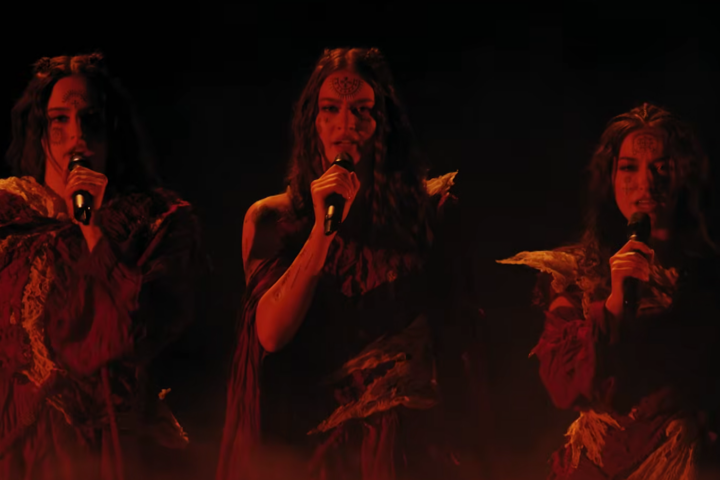
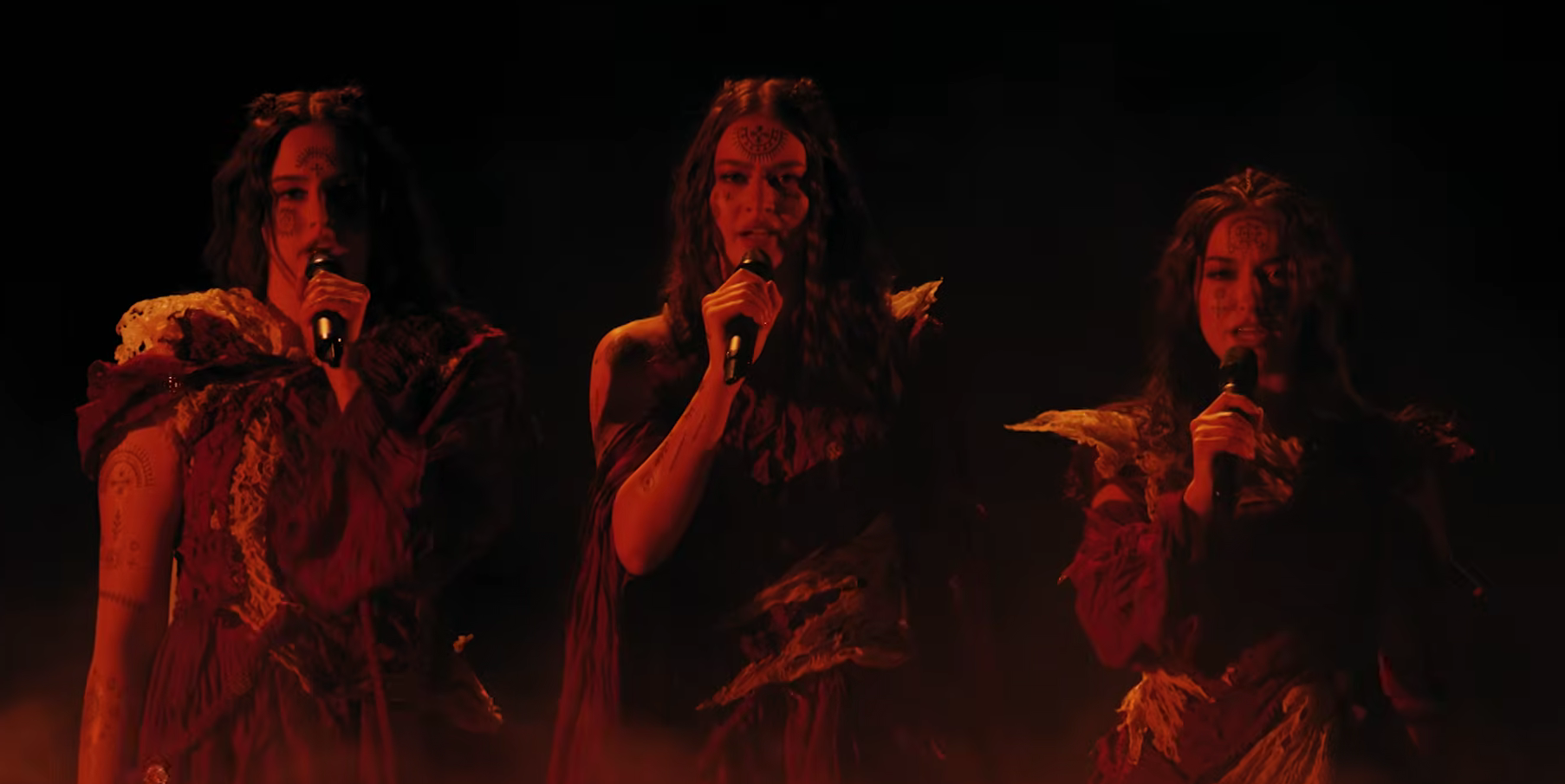
At the same time, the Croatian entry itself drew significant attention for its artistic concept. The performance by Lelek was described as visually striking and symbolically layered, portraying a female figure bound in chains and condemned to suffering as a result of decisions imposed by others. The staging and narrative approach were interpreted as a strong artistic statement, aiming to convey a deeper emotional and societal message through music and visual storytelling.
Despite the controversy, parts of the public and music scene in Croatia expressed support for the representatives, emphasizing the originality and boldness of the performance. Among those commenting was Tony Cetinski, who stated that Croatia had never been closer to winning Eurovision. His remark reflects a broader sentiment among some observers that the country’s entry managed to stand out in a highly competitive field, regardless of the surrounding criticism.
The developments around Croatia’s participation once again highlighted how Eurovision performances can extend beyond music into cultural and political interpretation. The combination of artistic expression, public reaction and international media response turned the Croatian entry into one of the more discussed moments of this year’s contest, with debates continuing over the balance between creative freedom and respect for national identity on the Eurovision stage.