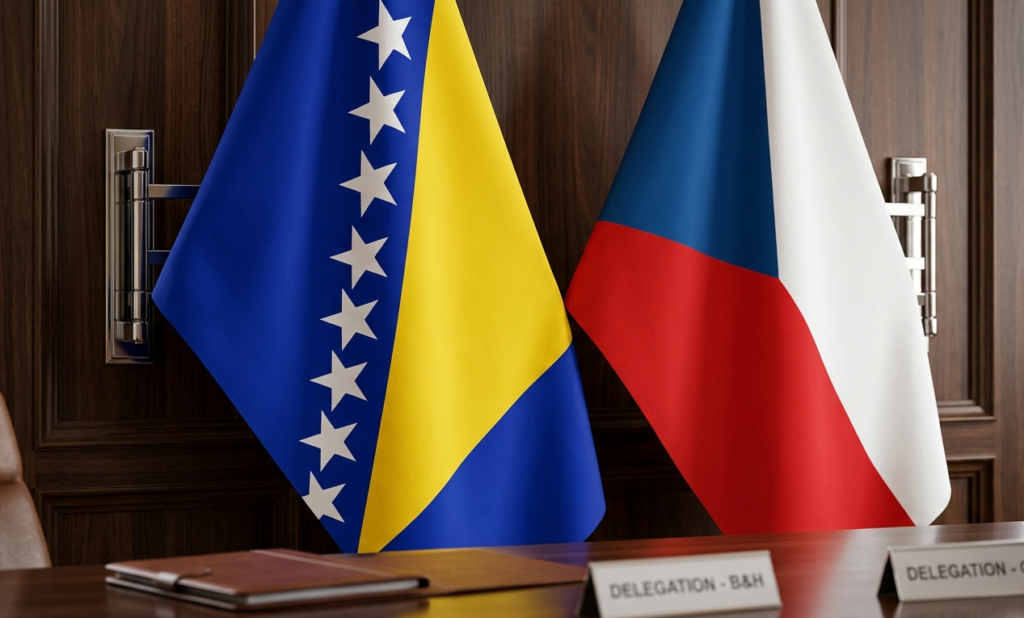
The European Parliament has adopted a resolution on Bosnia and Herzegovina, delivering an unusually forceful message to Sarajevo’s political class, end the obstruction, appoint a chief negotiator, and get serious about reforms, or risk forfeiting the European future the country claims to want. The resolution, passed by an overwhelming majority of MEPs, reaffirms strong EU support for BiH’s accession path while warning that political gridlock is no longer tolerable. It specifically calls on domestic leaders to appoint a chief negotiator for EU accession talks, adopt pending judicial reforms, and demonstrate genuine commitment to the rule of law, anti corruption efforts, and democratic institution building.
The demand for a chief negotiator has become a symbol of BiH’s broader dysfunction. Despite the European Council’s decision in March 2024 to open accession negotiations, the country has failed to appoint the single point of contact required to coordinate with Brussels. The position is mired in a constitutional tug of war, the “Troika” coalition of Sarajevo based parties refuses to accept anyone from Milorad Dodik’s SNSD, while Dodik’s camp insists on Ana Trišić-Babić, a former foreign ministry official now closely aligned with the convicted former RS president. European Council President António Costa, visiting Sarajevo on June 1, put the cost of inaction in stark terms, BiH has already lost €108 million in Growth Plan funding, with another €373 million at risk. “Do not miss this opportunity to secure them,” Costa warned, noting that gradual integration into the European single market could begin even before full accession if reforms are implemented.
The resolution also addresses the future of the Office of the High Representative, stressing that any transition must respect BiH’s constitutional order, sovereignty, and territorial integrity. This language reflects growing EU awareness that Bosnia sits at the frontline of a widening transatlantic divergence. Journalist Dejan Šajinović, who covers European institutions, noted that “a broad front within the EU is becoming increasingly aware of the divergence between the United States and the European Union,” with BiH and Republika Srpska often caught in the crossfire. Political analyst Tanja Topić was blunter, accusing domestic politicians of paying only lip service to EU integration while actively blocking reforms that would threaten their entrenched positions. “Strengthening the rule of law would threaten the positions they have held for decades,” she said. Damjan Žegović of Transparency International BiH echoed the sentiment, arguing that meaningful anti corruption progress is impossible without accountability at the highest levels. “Until there is prosecution at the highest level, we cannot expect effective action at lower levels,” he stated.
The socio economic dimension received significant attention in the resolution, with MEPs criticizing the lack of progress in meeting conditions to access available European funds and urging adoption of the Reform Agenda. Unlike previous resolutions that sparked differing interpretations, this one was adopted by a broad consensus, signaling that Brussels is running out of patience with Sarajevo’s political theater. For BiH, which has been an EU candidate since December 2022, the message is clear, the door to Europe remains open, but walking through it requires more than declarations. It demands the appointment of a negotiator, the adoption of judicial laws, and a willingness by political leaders to place European integration above ethnic divisions and personal fiefdoms. Whether Bosnia’s fractured political class can rise to that challenge will determine whether 2026 marks a turning point or merely another year lost to obstruction.