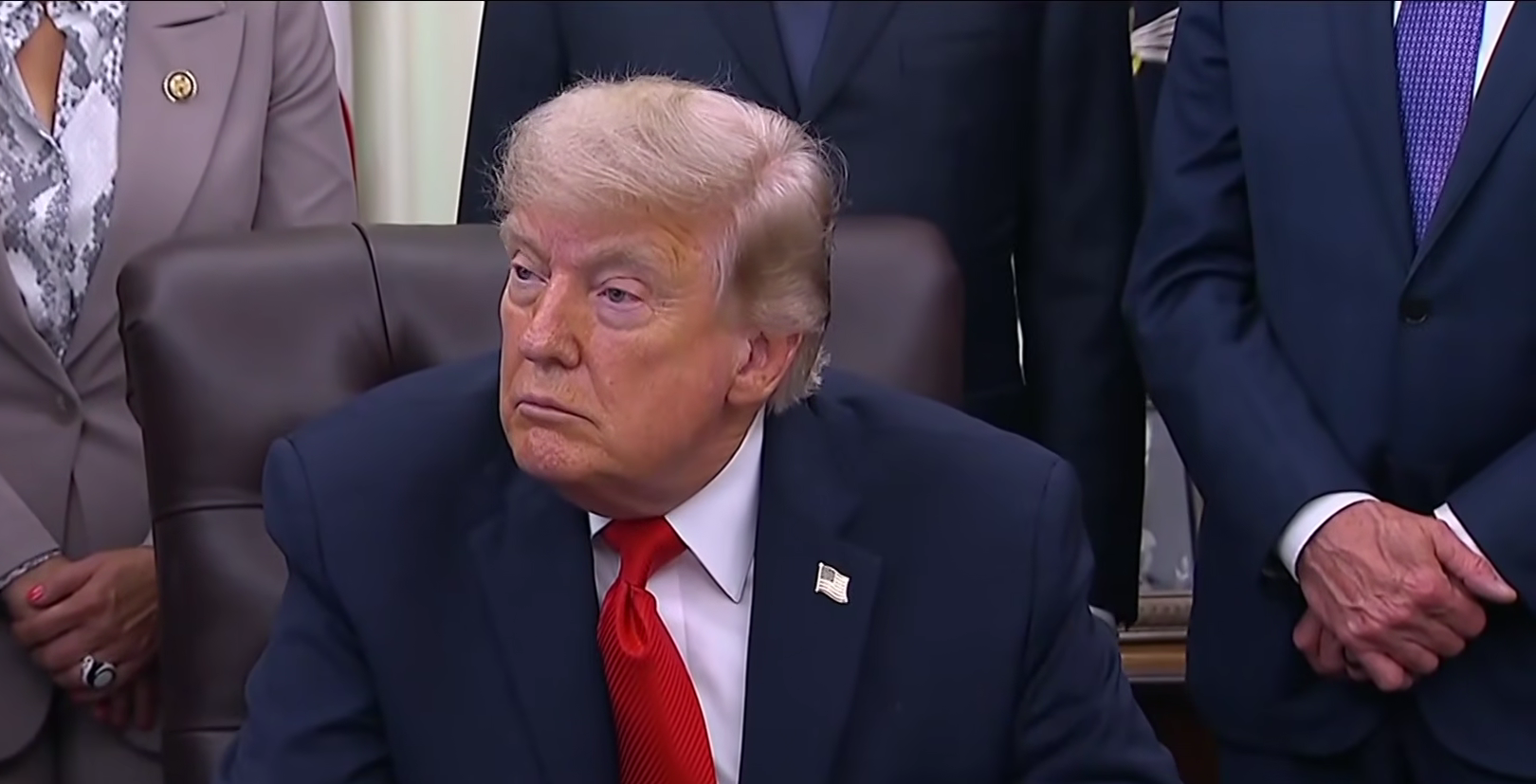
U.S. President Donald Trump has renewed his criticism of European allies, arguing that the United States continues to bear a disproportionate share of the burden when it comes to defending Europe from potential threats, particularly from Russia.
Speaking on transatlantic security and NATO spending, Trump stated that Washington has spent decades financing Europe’s defense while many European countries have failed to contribute enough to their own military capabilities. He reiterated his long-standing position that European allies should assume greater responsibility for their security and significantly increase defense spending.
The remarks come amid growing pressure from the Trump administration on NATO members to increase military expenditures. U.S. officials have repeatedly argued that the alliance should function as a partnership in which all members contribute fairly, rather than relying heavily on American military resources and financial support.
In recent months, Washington has also signaled a possible reduction of certain military assets and troop deployments in Europe, emphasizing that European countries must become more self-reliant in addressing security challenges on the continent. The discussion has gained additional momentum as NATO members work toward higher defense spending targets in response to the ongoing security situation involving Russia and Ukraine.
Trump has further argued that Europe should shoulder a larger portion of the costs related to military assistance and security efforts connected to Ukraine, maintaining that the financial burden has fallen too heavily on American taxpayers.
His comments have reignited debate on both sides of the Atlantic over burden-sharing within NATO, a topic that has remained at the center of U.S.-European relations for years. While many European governments have already increased defense budgets, Washington continues to push for faster and more substantial commitments from its allies.
The latest statements underscore the Trump administration’s broader message that Europe should take the lead in securing its own continent, while the United States focuses on a more selective and strategic global role.