Serbia has not recorded any human cases of West Nile fever as of June 22, 2026, but health authorities are closely monitoring the situation after infections were reported in Italy and Macedonia.
The Institute of Public Health of Serbia, “Dr. Milan Jovanović Batut,” launched enhanced seasonal surveillance on June 1 to track the spread of West Nile virus, a mosquito-borne illness that typically appears during the summer and early fall.
According to European health data, three locally acquired West Nile virus cases had been reported in Europe by June 17 — two in Italy and one in Macedonia. Serbian officials say no confirmed human cases have been detected in the country so far.
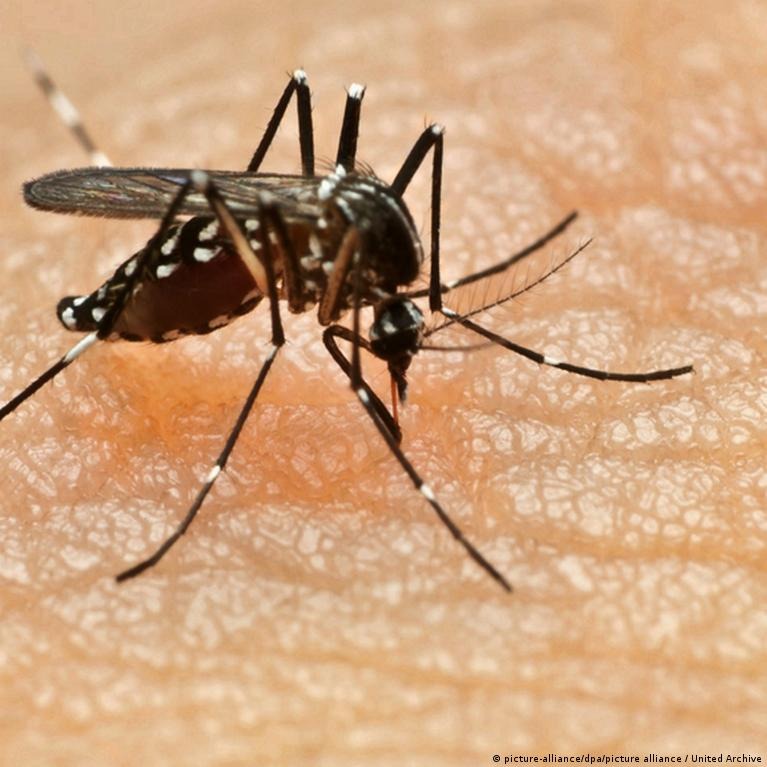
West Nile fever is transmitted to humans through the bite of an infected mosquito. In Serbia, the main carrier is the Culex pipiens mosquito, a species common in both urban and rural areas. The virus circulates naturally between birds and mosquitoes, while humans and horses are considered “dead-end hosts,” meaning they do not further spread the virus.
Health experts say the first cases in Serbia are usually detected in the second half of July, with the highest number typically reported in August and September, when mosquito activity is at its peak.
Most West Nile virus infections — around 80 to 90 percent — cause no symptoms. In a smaller number of cases, patients may experience flu-like symptoms such as fever, headache, fatigue, and muscle or joint pain. Less than one percent of infected people develop severe neurological complications, including meningitis, encephalitis, or acute paralysis.
Older adults, particularly those over 55, as well as people with chronic illnesses such as diabetes, cardiovascular disease, kidney disease, or cancer, face a higher risk of severe illness.
Authorities advise citizens to use mosquito repellents, wear clothing that covers arms and legs, avoid being outdoors at dawn and dusk, install window screens, and remove standing water from yards, flowerpots, buckets, barrels, pet bowls, and other containers where mosquitoes can breed.
Anyone who develops symptoms such as high fever, severe headache, stiff neck, confusion, muscle weakness, or signs of nervous system involvement should seek medical attention immediately.