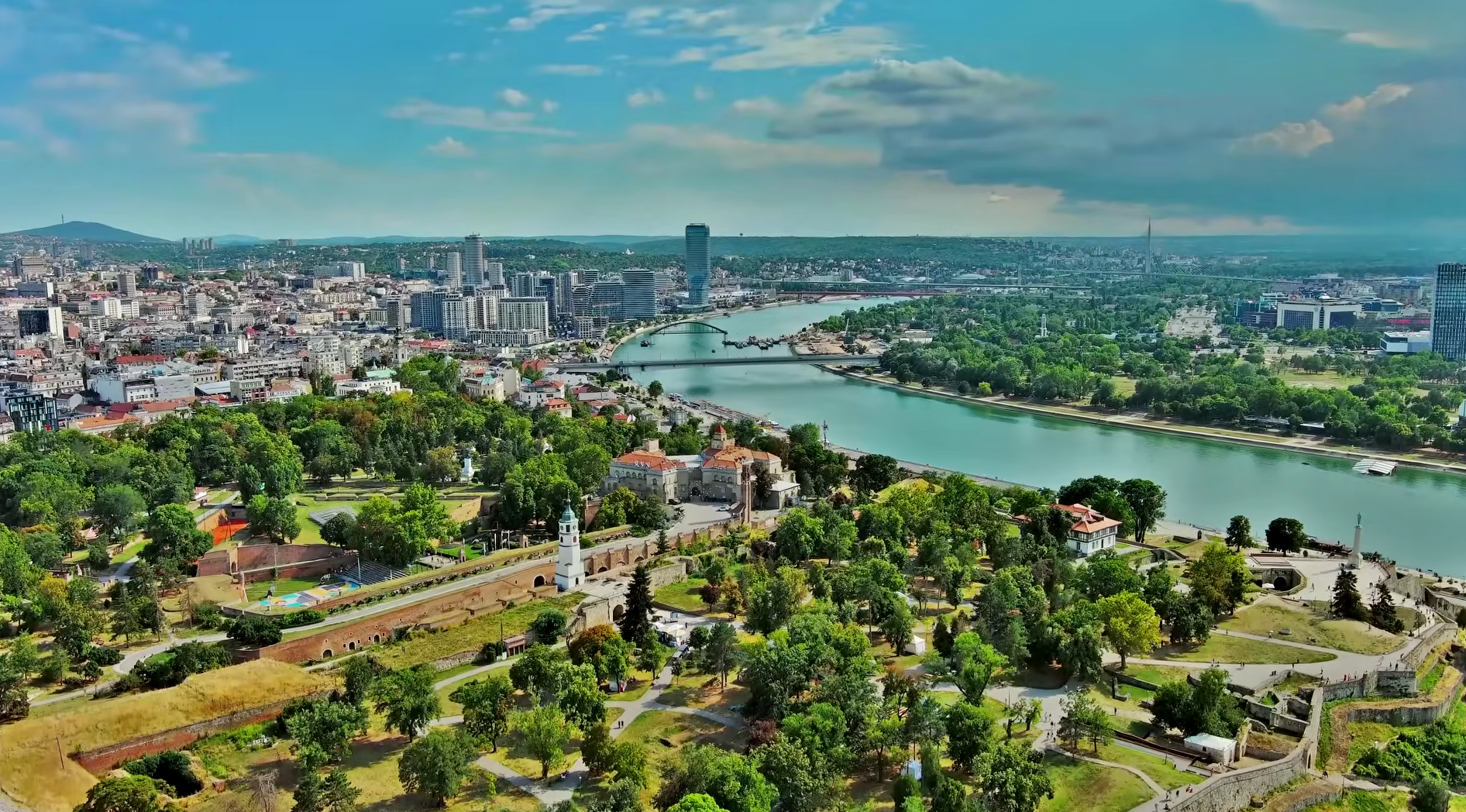
Belgrade has been named the fifth least affordable capital in Europe for housing, with residents spending an average of 61.53% of their salaries on rent and utilities alone, according to a 2026 study by the British financial portal Tradingpedia. The analysis of 37 European capitals placed Belgrade behind only Lisbon (91%), Warsaw (69%), Tirana (66%), and Rome (63%) in the share of income consumed by housing costs for a furnished 45 square meter apartment. At the opposite end of the spectrum, Brussels ranked as the most affordable capital at 30%, followed by Copenhagen at 32% and Stockholm, Sofia, and Bern at 35%. The findings expose a widening gap between rising property prices and stagnant wages that is pushing ordinary Serbians to the brink of financial survival.
The human cost of this affordability crisis is stark. D.S., a Belgrade renter who shares a €450 per month apartment with a roommate, told the study’s authors that moving into her own place would require paying the same amount for a much smaller unit. “Besides the high prices, there is also a shortage of available apartments. It’s almost impossible to find a decent place to live,” she said. J.V., who moved to the capital four years ago, described life as “much harder today” with prices climbing across the board. For many, discretionary spending on entertainment, sports, or culture has become a luxury. A day pass for the swimming pool at Ada Ciganlija costs nearly 1,000 dinars, while a cocktail runs around 900 dinars, meaning, as D.S. put it, “every time you leave the house, it costs you at least 1,000 dinars.”
Economist Božo Drašković, former director of the Institute of Economic Sciences, describes Serbia’s situation as an “economic illusion” created by a fixed exchange rate that masks declining real purchasing power. While prices and wages rise in dinars, conversion to euros at a fixed rate creates the appearance of improvement. The reality, Drašković argues, is captured by the structure of consumption: when spending on food, hygiene, medicine, internet, and heating exceeds 60% of income, low income citizens have virtually nothing left for a normal life. The Statistical Office of the Republic of Serbia reports an average salary of slightly above 120,000 dinars (approximately €1,084) in March 2026, but more than half of citizens earn around 90,000 dinars (€813) or less. For those at the bottom, earning 60,000 dinars (€542), basic housing costs of around 70,000 dinars alone exceed their entire income, a condition Drašković defines as poverty. The at risk of poverty rate has remained stubbornly above 20% for years, and with electricity prices up 6.6% since October 2025, water costs rising 9.5% in Belgrade, and property taxes increasing 5% nationwide, the squeeze is only tightening.