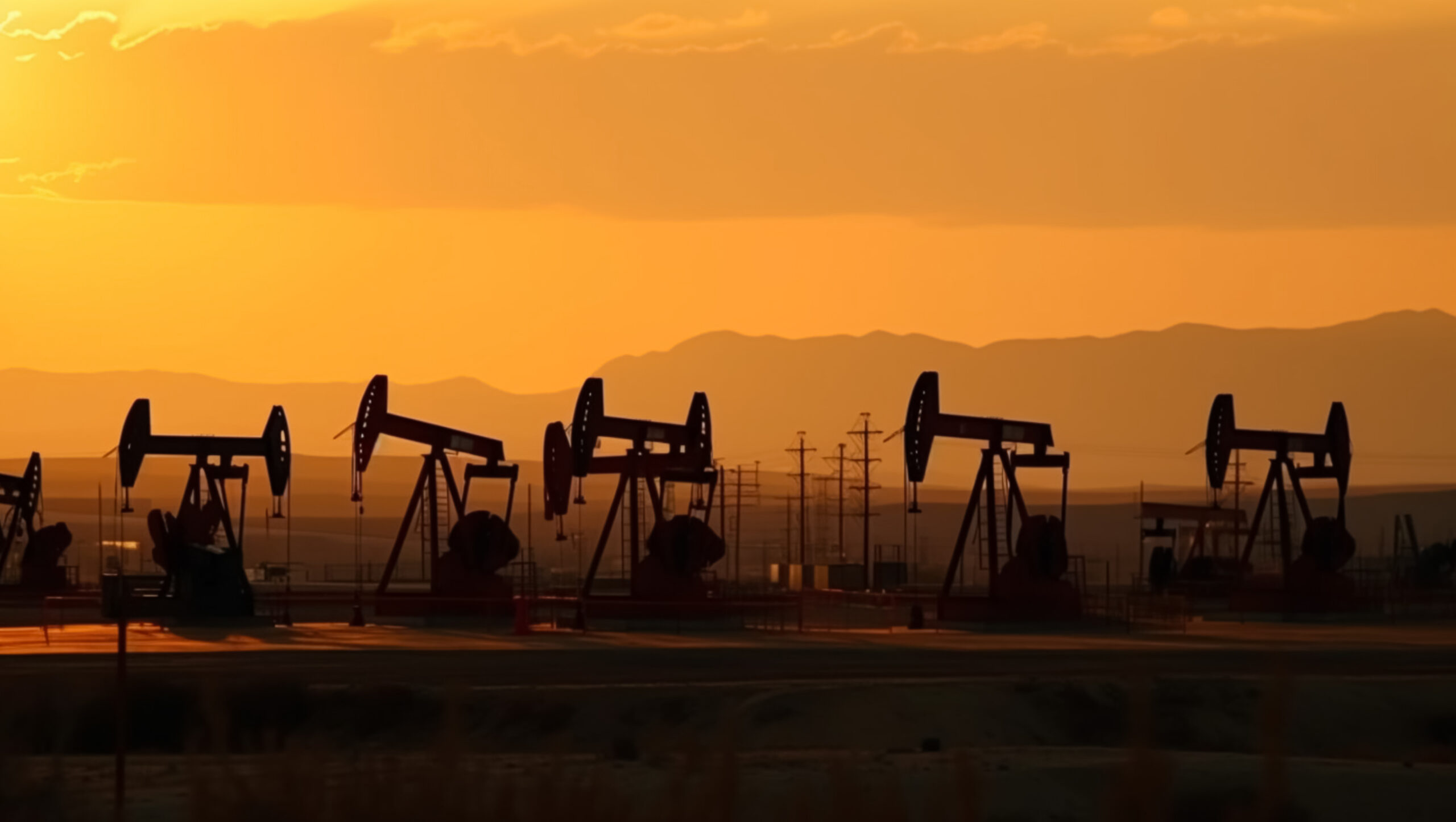
Global benchmark Brent crude briefly dipped below $72.48 per barrel on Thursday, the exact price it traded at the day before the US and Israel launched strikes on Iran on February 28, before settling at $72.63, marking a stunning reversal of the energy crisis that has roiled markets for nearly four months. The collapse, which brings prices down nearly 40% from wartime highs around $118, reflects the gradual resumption of traffic through the Strait of Hormuz following the US Iran memorandum of understanding signed on June 17. Maritime intelligence firm Kpler reports a “tremendous shift” in vessel movements, with approximately 80 ships crossing the strait since Monday after the first round of peace talks in Switzerland, including crude oil, LNG, fertilizer, and other cargo carriers. Saudi tankers are reportedly heading toward the Ras Tanura terminal to restart Persian Gulf exports for the first time since March, and a temporary US waiver permitting purchases of already loaded Iranian oil is expected to boost supply further.
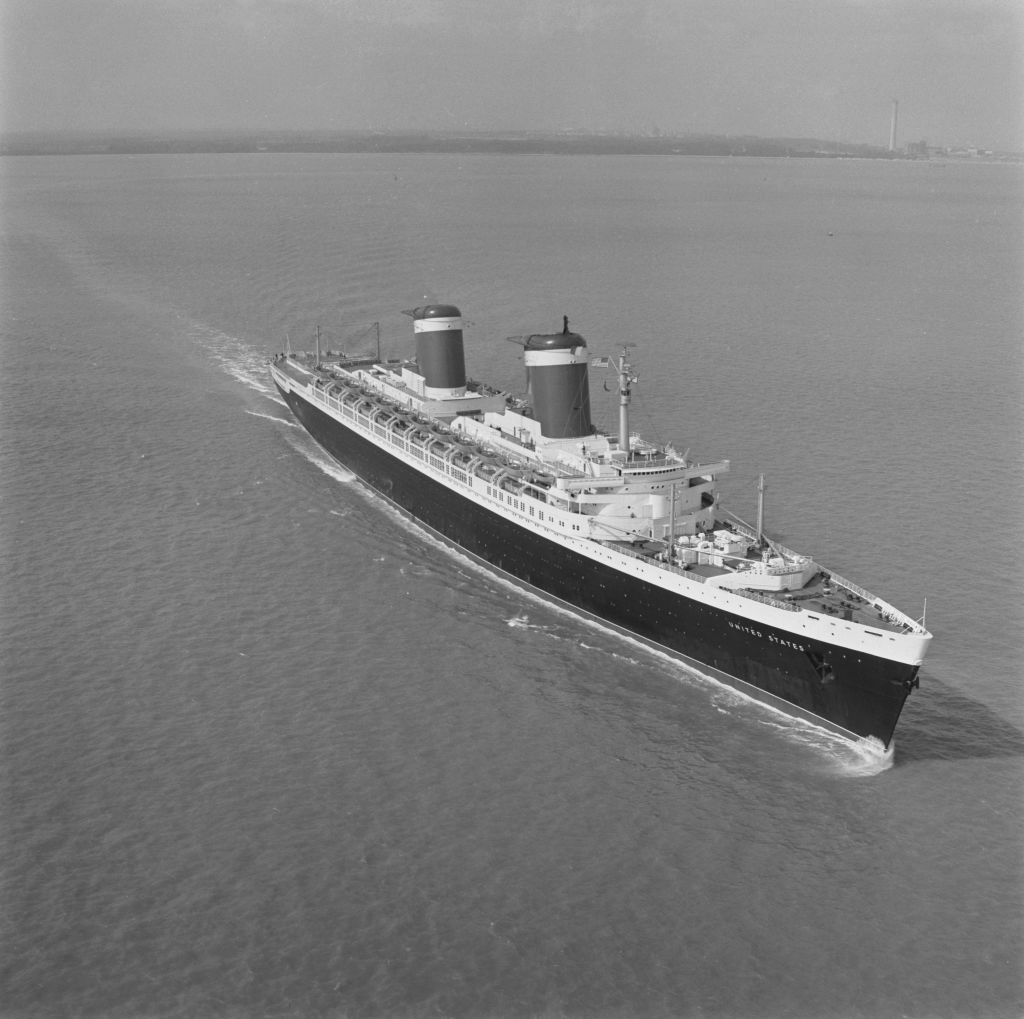
The reopening, however, remains fragile and incomplete. While mediators Qatar and Pakistan have established a “communication line” between the US and Iran to prevent misunderstandings and ensure safe passage, shipping companies remain cautious. The number of crossings is still well below the pre war norm of more than 100 ships per day, with hundreds of vessels reportedly waiting in the Gulf. Iranian authorities have restricted passage through a northern route, requiring explicit permission, while the US Navy has provided guidance for a southern route cleared of mines. Maritime risk advisory firm Marisks estimates that while the traffic pile up on either side could be resolved in eight to ten days under unrestricted navigation, full normalization, including de mining operations and insurance rate stabilization, could take weeks. “Returning to full pre conflict volumes is realistically a 2027 story, and only if the agreement holds without incident and production recovers at pace,” said David Jorbenaze, global oil market leader at ICIS.
The disconnect between falling crude prices and stubbornly high fuel costs at the pump has drawn the ire of President Donald Trump, who on Wednesday ordered a Department of Justice investigation into major energy companies including Shell, ExxonMobil, BP, and Chevron, accusing them of “gouging” American drivers. “Oil prices have come down so much and we are not seeing anything at the pump by comparison the way they should be,” Trump told reporters in the Oval Office. The American Petroleum Institute pushed back, noting that fuel prices “don’t move in lockstep with crude oil” due to refining margins, taxes, and distribution costs. The average US gasoline price has dropped to around $3.93 per gallon from April’s peak above $4, but remains well above pre war levels. British energy firms have faced similar accusations, though the UK competition watchdog found no widespread evidence of price gouging, reporting that average profit margins were “broadly unchanged” between February and March. For consumers worldwide, the lesson is clear, even when geopolitical risk recedes, the path from cheaper crude to cheaper fuel is neither automatic nor immediate.