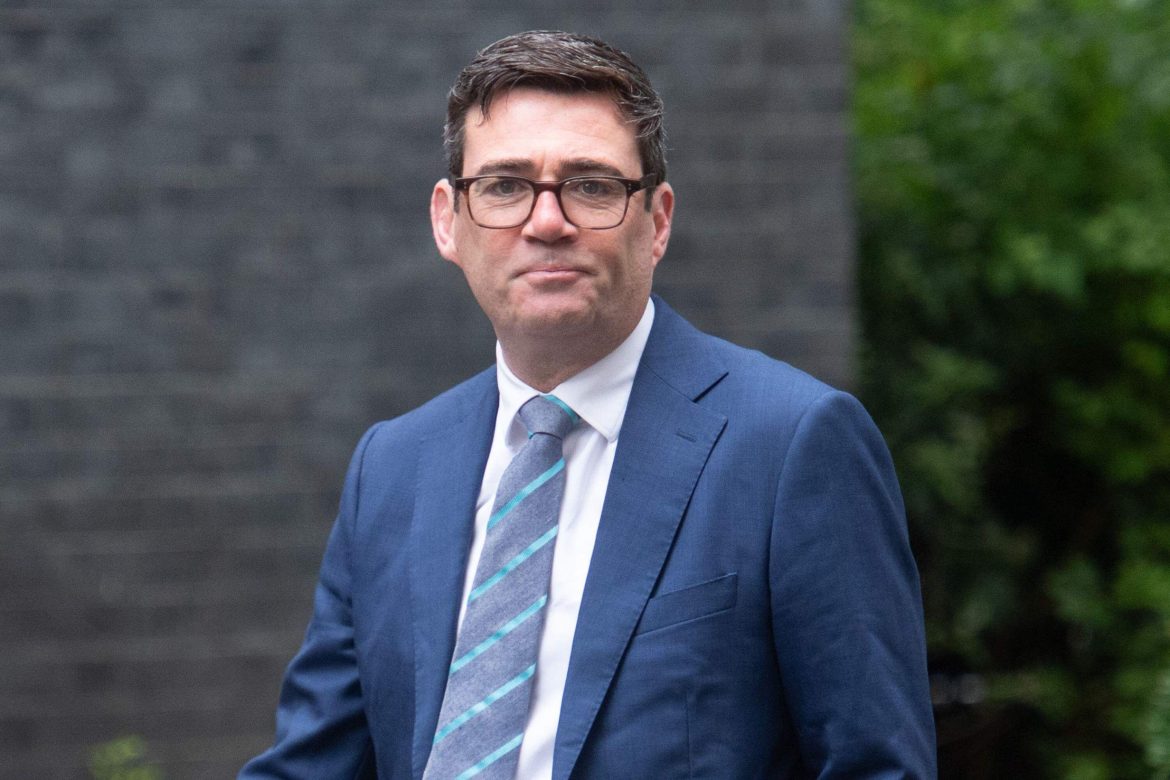
Andy Burnham, who is being presented as a likely future British prime minister, has outlined a programme for transforming Britain through what he described as the biggest redistribution of power the country has ever seen. In a speech at the People’s History Museum in Manchester, which he called one of his favourite places in the world, Burnham presented part of his plan if, as expected, he takes office on July 20 and becomes the seventh British prime minister in the last decade.
Burnham said Britain needs a fundamental change not only in who governs the country, but in the way the country is governed. He argued that the current system is broken and that “more of the same” will not be enough to respond to the scale of the challenges facing the country. His central message was that power should be moved away from Westminster and Whitehall and closer to regions, communities and local institutions that, according to him, know best how to use it.
The plan is built around a ten-year mission for “good” economic growth, higher living standards and renewed public trust in politics. Burnham promised a politics based on cooperation instead of conflict, saying he wants to reduce centralization and build a system in which regional leaders, local authorities, businesses, civic organizations and citizens play a stronger role in shaping policy.
A key part of his proposal is greater public control over basic services such as water, housing, energy and transport, with the aim of limiting the pressure of the cost-of-living crisis. He also announced more powers for local authorities in managing water supply and other public utilities, as well as measures intended to help households facing rising bills and daily expenses.
Burnham said people need help now because many families are struggling with bills and basic needs. He promised to do everything possible to provide relief as quickly as possible after entering Downing Street, while also insisting that he would not risk public finances. He said people need to be able to look forward to going out or taking their children on holiday, and that the country needs hope.
His programme also includes the largest social housing construction programme since the post-war period, a reform of the civil service, reindustrialization of the country and measures to make it easier for young people to find employment, with the goal of reducing social welfare costs. He also proposed a “renaissance” of high streets through reform of business taxation.
In education, Burnham said the current system is too focused on universities and that academic and technical qualifications should be placed on a more equal footing. This was presented as part of a wider effort to create opportunities for young people and prepare the workforce for a renewed industrial strategy.
One of the most symbolic parts of the plan is the creation of a northern centre of “Downing Street No. 10” in Manchester. This team, described as a “Number 10 North”, would take over part of the work of the prime minister’s office, especially in the areas of housing, public service reform, industrial development and the distribution of power and resources across the country. The idea is intended to demonstrate that national government should not be concentrated only in London.
The speech also included an indirect criticism of Prime Minister Keir Starmer, who announced last week that he would step down. Burnham said he would end the politics of “business as usual”, arguing that the existing approach had failed to improve the standard of living for many citizens.
At the same time, Burnham tried to reassure financial markets that his proposed political changes would not undermine financial stability. He said he would continue to respect the current fiscal rules and that his programme would be supported by the discipline that comes from sound public finances. Investors reacted positively to his commitment to budget discipline, with yields on British ten-year government bonds slightly falling during his speech.
However, some analysts said the address contained few concrete details and that the proposed measures would require a long period to be implemented. Burnham also said he would not announce key ministerial appointments until closer to taking office, urging the public to ignore speculation about who might become chancellor. The appointment of a chancellor is being viewed as one of the clearest signals of the economic direction his government would take.
Burnham’s messages were welcomed by Labour MPs, including former health secretary Wes Streeting, who withdrew from the leadership race, increasing Burnham’s chances of becoming the new prime minister without serious internal party competition. Still, he faces significant challenges, including weak economic growth, the rising popularity of populist parties, the cost-of-living crisis and limited room for additional borrowing because of strict fiscal rules.
Opposition parties immediately criticized him. Conservative Party leader Kemi Badenoch said Burnham had no real plan except telling mayors to solve problems themselves. Richard Tice from Reform UK described the speech as further evidence of what he called “Burnham’s coup”, referring to the possibility that Burnham could become prime minister without a new general election. Tice wrote on X that the country needs a new general election.
Burnham’s first major programme speech after being elected as an MP was therefore presented as a promise of radical political and economic renewal, but also as the beginning of a difficult test. His plan aims to rebalance power, revive public trust, improve living standards and shift decision-making away from London, while also maintaining fiscal discipline and reassuring markets that change will not come at the expense of financial stability.