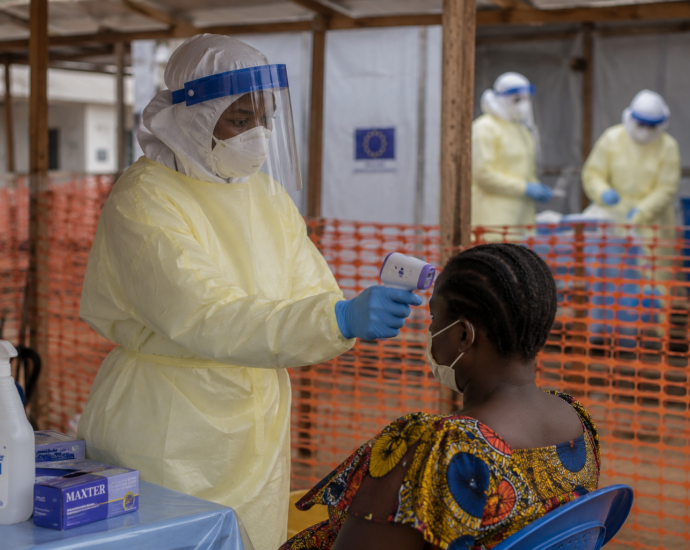
The Democratic Republic of Congo is once again facing a serious Ebola outbreak after the number of confirmed cases rose to 1,307, according to official data released by the country’s authorities. The outbreak has already caused 377 deaths, placing renewed pressure on health institutions and raising concern about the further development of the situation.
The confirmed cases have been registered in three provinces: Ituri, North Kivu and South Kivu. These areas are now at the center of monitoring efforts as authorities and international organizations follow the spread of the disease and assess the risk of further transmission.
The World Health Organization has assessed that the current risk of further international spread remains low. However, WHO Director-General Tedros Adhanom Ghebreyesus warned that the situation must be carefully monitored and that constant vigilance is necessary, given the seriousness of the disease and the possibility that it could spread further.
The United Nations has also warned about the wider economic consequences of the outbreak. According to the UN, the current Ebola epidemic could cost Africa’s economy up to 3.6 billion dollars and destroy hundreds of thousands of jobs, turning the health crisis into a serious development crisis.
Damien Mama, the resident representative of the United Nations Development Programme in the Democratic Republic of Congo, said that if resources are secured and steps are taken, the outbreak can be limited and further losses can be prevented. He warned that without such action, the health crisis could develop into a much deeper and longer-lasting development crisis, not only in the region but across the African continent.
The situation in DR Congo therefore combines two serious challenges: the direct health impact of the disease and the broader social and economic damage that could follow if the outbreak is not contained. With more than 1,300 confirmed cases, hundreds of deaths and infections recorded in several provinces, the epidemic has become a major test for public health authorities, international organizations and regional response mechanisms.
Ebola remains a severe and often deadly infectious disease. According to the reports, it is transmitted through direct contact with bodily fluids of an infected person or animal. For that reason, the latest warnings focus not only on treatment and monitoring, but also on preventing additional spread through rapid response, sufficient resources and sustained attention to affected areas.
Although the international spread risk is currently considered low, officials have made clear that the situation cannot be treated lightly. The scale of the outbreak, the number of deaths and the potential economic damage show that the epidemic has already become one of the most serious public health developments currently facing the Democratic Republic of Congo and the wider region.