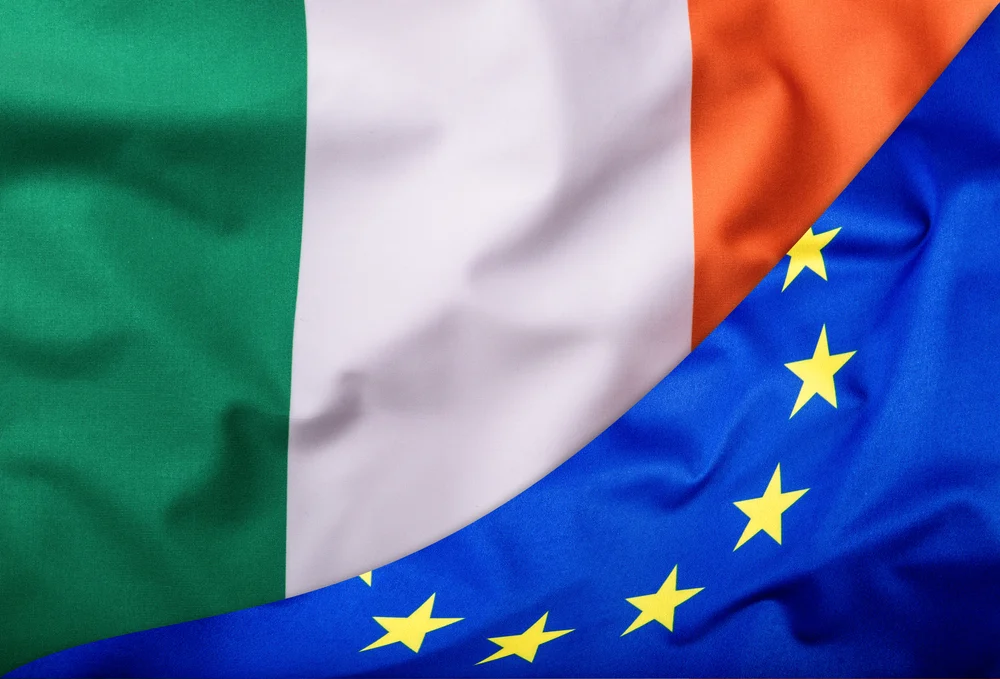
Ireland has taken over the six-month rotating presidency of the Council of the European Union from Cyprus, beginning a period that Dublin describes as particularly sensitive because of growing global uncertainty, major economic pressure and several difficult negotiations among the 27 member states.
As holder of the presidency until the end of the year, Ireland will chair ministerial meetings, coordinate the work of the Council and act as an “honest broker” between different national positions. This is the eighth time Ireland has held the role since joining the European Community in 1973.
One of the most important issues during the Irish presidency will be the next long-term EU budget for the period from 2028 to 2034. The current aim is to reach an agreement by the end of the year, but member states remain far apart. Dublin will have to balance demands from countries that want to preserve funding for agriculture and cohesion policy with calls for more money for climate action, innovation, technology and defense. The debate will also include possible new EU-level own resources, meaning new sources of revenue or taxes at the European level.
Another major challenge will be the new sanctions package against Russia, with a deadline of July 15. If no agreement is reached by then, the EU will automatically revise the price cap on Russian oil, which could financially benefit Moscow. Diplomats expect the deadline to be met, but Bulgaria has already threatened to use its veto if the package includes Patriarch Kirill and Lukoil founder Vagit Alekperov. Sofia has also raised concerns about possible effects on fertilizers and spare parts for the metro.
EU enlargement will also be one of the major priorities. The change of government in Hungary has opened space for possible progress in the accession processes of Ukraine and Moldova, although Budapest remains cautious. Ireland will try to move at least part of the remaining negotiation clusters forward before the summer break. At the same time, Montenegro wants to close its accession negotiations by the end of the year, after which the drafting of the accession treaty would begin. Brussels wants that treaty to become a model for future enlargement, which means the negotiations are expected to be especially detailed.
Ireland will also face trade and economic pressure from Washington and Beijing. U.S. President Donald Trump has threatened 100 percent tariffs on European countries that introduce digital services taxes, which could threaten the agreement between the EU and the United States. At the same time, Brussels is asking Beijing for concrete steps to reduce the large trade imbalance, while EU member states remain divided over how tough the bloc should be toward China.
Economic competitiveness will be another central topic. Ireland is expected to help finalize several pieces of legislation from the European economic agenda, including the Savings and Investments Union, the digital euro and cybersecurity rules. A decision is also expected on the introduction of the digital euro, an electronic form of the common currency.
Difficult talks are also expected on child protection online and the planned reform of the EU emissions trading system as part of the bloc’s climate policy. These issues come alongside broader efforts to strengthen the European economy, protect fundamental values and ensure citizens’ security.