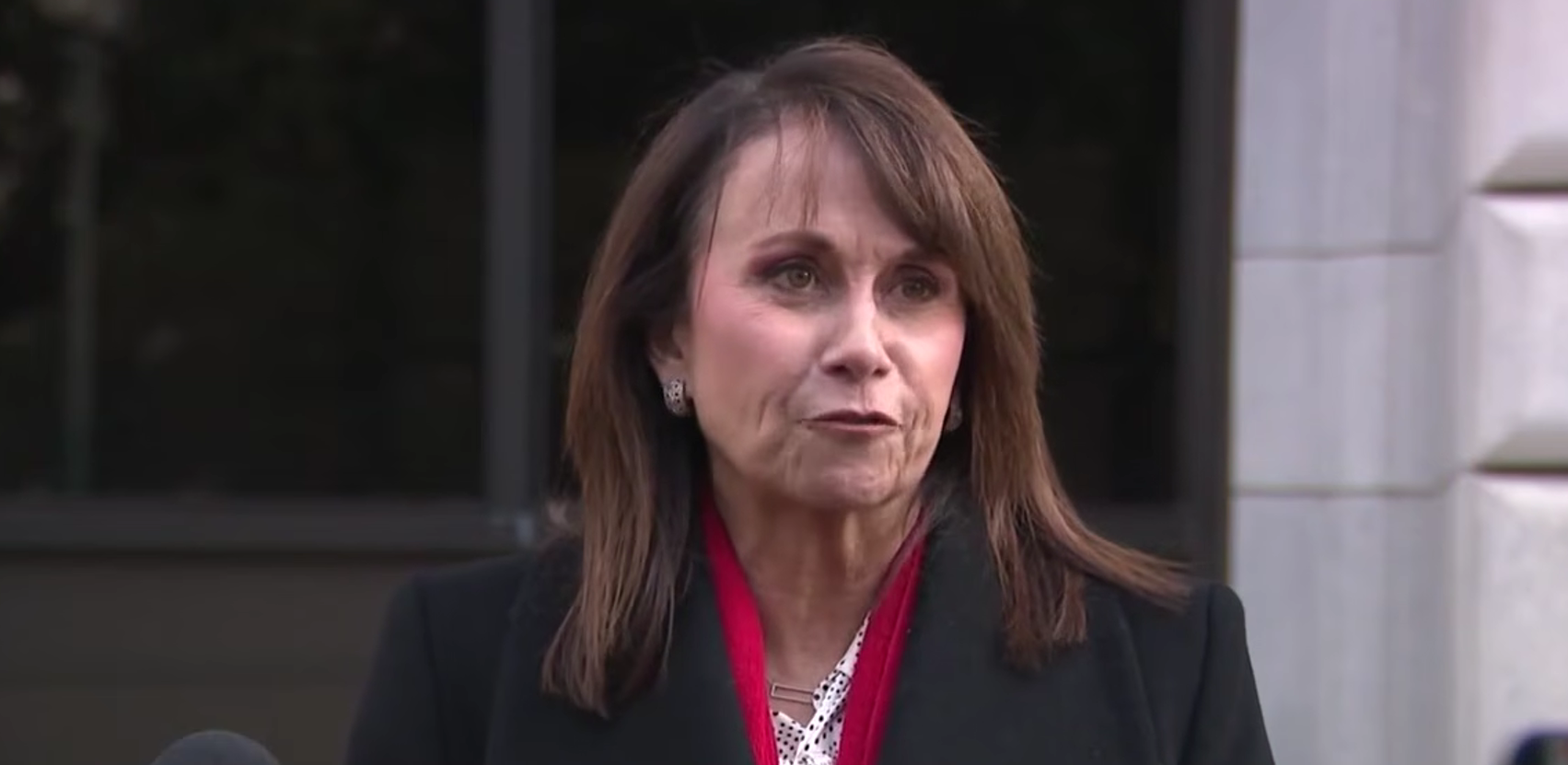
A New Orleans grand jury has indicted Louisiana Attorney General Liz Murrill on 16 counts of intimidation and malfeasance, escalating a bitter political war between the state’s Republican leadership and Democratic officials in New Orleans. The charges stem from Murrill’s alleged threats against city leaders who fought a GOP backed overhaul of local courts that would eliminate a clerk position won by Calvin Duncan, a wrongfully convicted man who spent nearly three decades in prison before becoming a jailhouse lawyer and winning election with 68% of the vote. Murrill has vowed she will “not back down,” while Republican Governor Jeff Landry has promised a swift pardon and called the proceedings an “Orleans Kangaroo court.”
At the heart of the indictment is a state law that abolished the Orleans Parish Criminal District Court clerk office Duncan was set to assume, consolidating it with the civil clerk’s office. When the city council set a special election that would have given Duncan a chance to win the newly combined job, Murrill warned local officials in letters that they could lose their offices for violating state “usurper” laws. Special prosecutor Laurie White said elected officials should not be “intimidated or threatened by letter or any other way.” Bond for Murrill was set at $400,000, and she has filed for an emergency stay with the Louisiana Supreme Court.
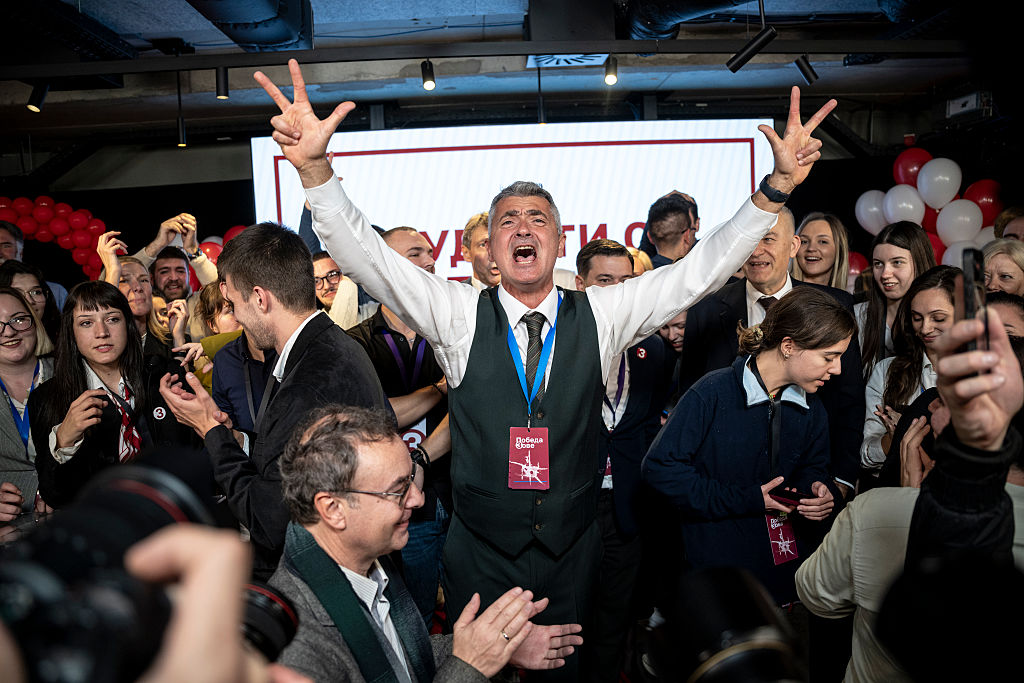
The conflict has drawn national attention because of Duncan’s extraordinary story. Arrested as a teenager in 1982 for a murder he did not commit, Duncan served 28 years at Angola prison, where he taught himself criminal law and helped bring a case to the U.S. Supreme Court that ended Louisiana’s non-unanimous jury convictions. After earning a law degree and publishing a bestselling memoir, he was elected clerk of the very court that had convicted him. Republican lawmakers rushed to pass a bill eliminating the position before Duncan could take his oath, and a federal appeals court allowed the law to stand, forcing him out on his first day. Murrill and Landry have long refused to acknowledge Duncan’s innocence, pointing to a 2011 plea deal even though a judge vacated his conviction in 2021.
The case has become a proxy for broader tensions between Louisiana’s Republican state government and its largest Democratic city. Mayor Helena Moreno called the indictment a “matter for the courts,” while the Republican Attorneys General Association defended Murrill, arguing her letters were simply “issuing a legal opinion.” With Governor Landry promising a pardon and ordering state police to investigate the grand jury, the legal and political battle is far from over. What began as a bureaucratic restructuring has metastasized into a constitutional confrontation over who controls Louisiana’s justice system, and whether an exoneree voters chose to serve will ever be allowed to hold the office.