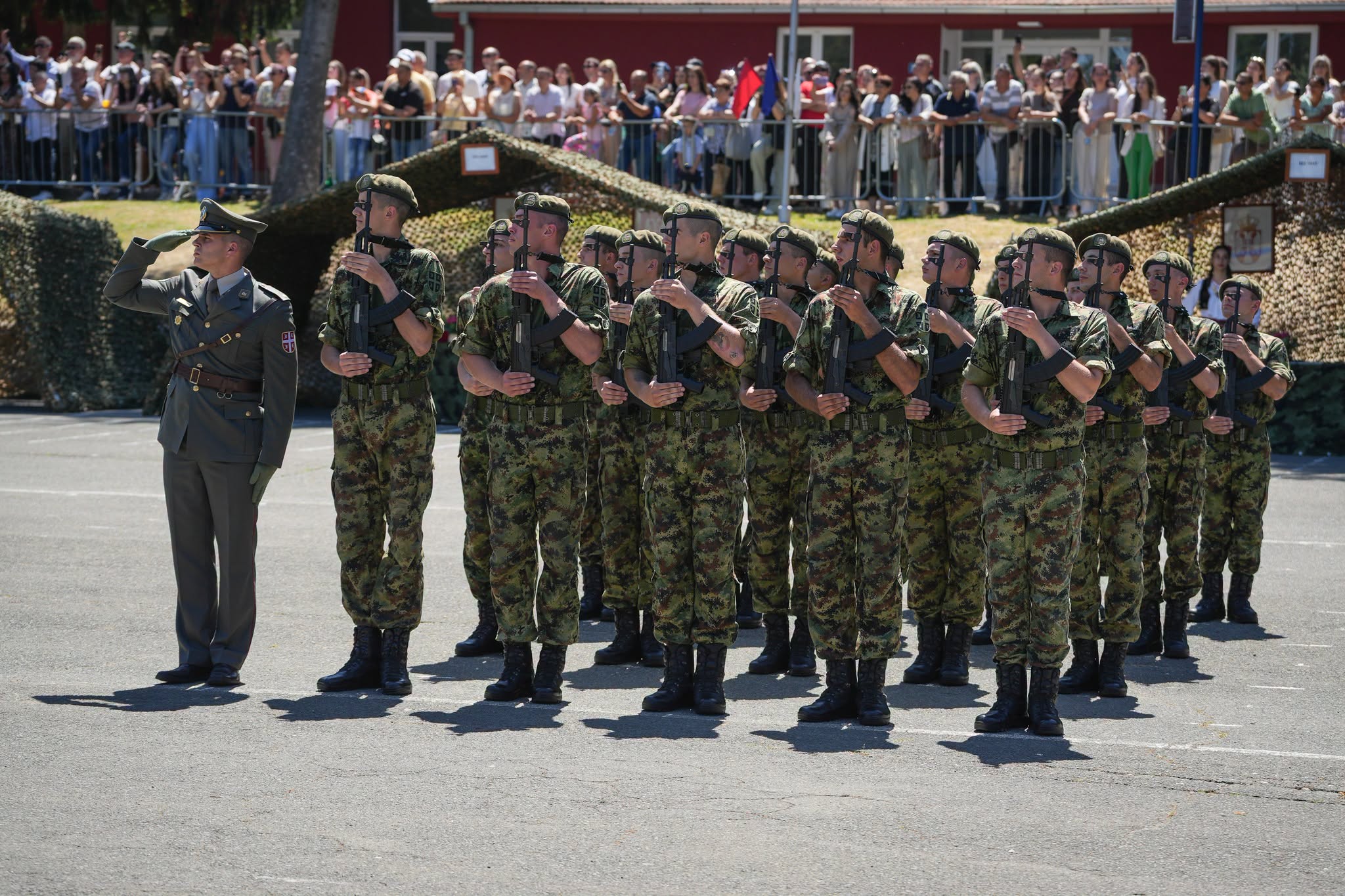
Men born in 2006 are expected to be among the first contacted as Serbia moves toward restoring mandatory military service in March 2027.
Serbia is preparing to reinstate compulsory military service after more than 15 years, with the first group of recruits expected to enter training in March 2027.
Men born in 2006 could be among the first to receive notices for medical examinations and military screening, according to plans previously outlined by Serbian defense officials.
The proposed draft would apply to men between the ages of 18 and 30, while military service would remain voluntary for women. The standard service period is expected to last 75 days. However, the program still requires the Serbian Parliament to approve the relevant legislation before it can officially begin.
What Would the 75-Day Service Include?
Under the current proposal, recruits would complete part of their training inside military barracks and the remainder at training grounds and other field locations.
Before beginning their service, prospective recruits would undergo medical examinations and a selection process. Those accepted would receive uniforms and enter a structured military training program.
Serbian military officials say training plans, administrative documents and instructional materials have already been prepared. Military facilities are also being renovated, while new equipment and weapons have reportedly been obtained for the first generation of recruits.
Col. Zvonko Marić of the Serbian Armed Forces General Staff said the equipment had been selected with younger recruits in mind.
According to Marić, the incoming soldiers would train with modern weapons rather than equipment dating back to the 1980s.
Alternative Service for Conscientious Objectors
Men who object to carrying weapons for reasons of conscience would reportedly be offered an alternative form of service.
That program is expected to last approximately 150 days—about twice as long as standard military service.
Participants would not receive weapons training but could be assigned to administrative, logistical, maintenance or other support duties within the defense system.
Will Recruits Be Allowed to Use Their Phones?
One of the issues attracting the most public attention is whether recruits will be permitted to use cellphones and access social media while serving.
Retired Col. Miodrag Savić said recruits would not be completely prohibited from communicating or using their devices. However, cellphone use would likely be restricted during training and working hours, similar to rules in many workplaces.
Military discipline and adjusting to a highly structured daily schedule could be among the biggest challenges facing the first generation of recruits.
Why Is Serbia Restoring the Draft?
Serbia suspended mandatory military service in 2011 and shifted to a professional military supported by voluntary recruits.
The government approved plans to restore conscription in 2024, arguing that the measure would strengthen the country’s defense capabilities and expand its pool of trained reservists. The proposed program includes 60 days of basic training followed by 15 days of military exercises.
President Aleksandar Vučić announced in June 2026 that the government was aiming to begin the new system in March 2027.
Officials say administrative procedures, infrastructure preparations and legislative changes must be completed before the first recruits report for duty.
Although men born in 2006 are expected to be called first, the exact selection process, number of recruits and schedule of notices will depend on the final legislation and regulations adopted by Serbian authorities.