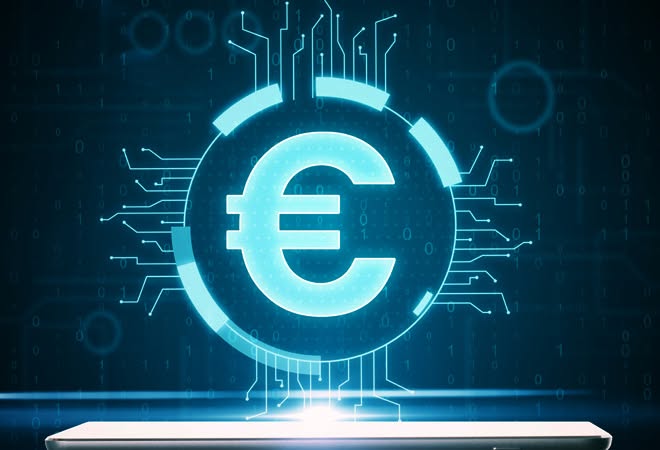
The digital euro is moving closer to becoming a reality as the European Central Bank continues preparations for a new electronic form of Europe’s common currency.
Unlike cryptocurrencies, the digital euro would be issued and backed by the European Central Bank. It would have the same value as the traditional euro and could be used through a mobile phone, payment card or digital wallet for purchases in stores, online payments and transfers between individuals.
The European Central Bank aims to be ready for a possible first issuance in 2029, provided that the necessary European Union legislation is adopted during 2026. A pilot program is expected to begin in the second half of 2027 to test the system in real payment situations. However, the final decision on whether the digital euro will be introduced has not yet been made.
The digital euro would not replace banknotes and coins. European institutions say it would exist alongside cash and other electronic payment methods, giving people an additional way to pay. Basic use is expected to be free for consumers, while payments could be made both online and offline.
For Macedonia, the effect would initially be indirect. The denar would remain the country’s official currency, and Macedonian citizens would not automatically gain full access to the digital euro simply because it is introduced in the European Union.
Permanent access for people living outside the euro area would require agreements between the European Union, the country concerned, the European Central Bank and the respective national central bank. Visitors from outside the euro area could potentially receive more limited access through European payment service providers while travelling.
Even so, the digital euro could become important for Macedonian companies and citizens who conduct business, shop or travel in European Union countries. It could make certain euro payments faster and simpler and could eventually influence how banks and payment companies in Macedonia develop their own digital services.
The change may also be significant for Macedonians living in the European Union who regularly send money to relatives at home. The exact impact on remittances would depend on whether Macedonian banks and payment systems are eventually connected to the digital euro infrastructure.
Macedonia has already become more closely integrated with Europe’s payment market through the Single Euro Payments Area. Since October 2025, citizens and companies have been able to make faster and cheaper euro transfers with participating countries, while Macedonian banks completed their integration into the SEPA credit transfer system in 2026.
The digital euro could therefore represent the next major change in European payments. It would not immediately change the currency used in Macedonia, but it could gradually affect cross border payments, banking services, online trade and financial relations with the European Union.