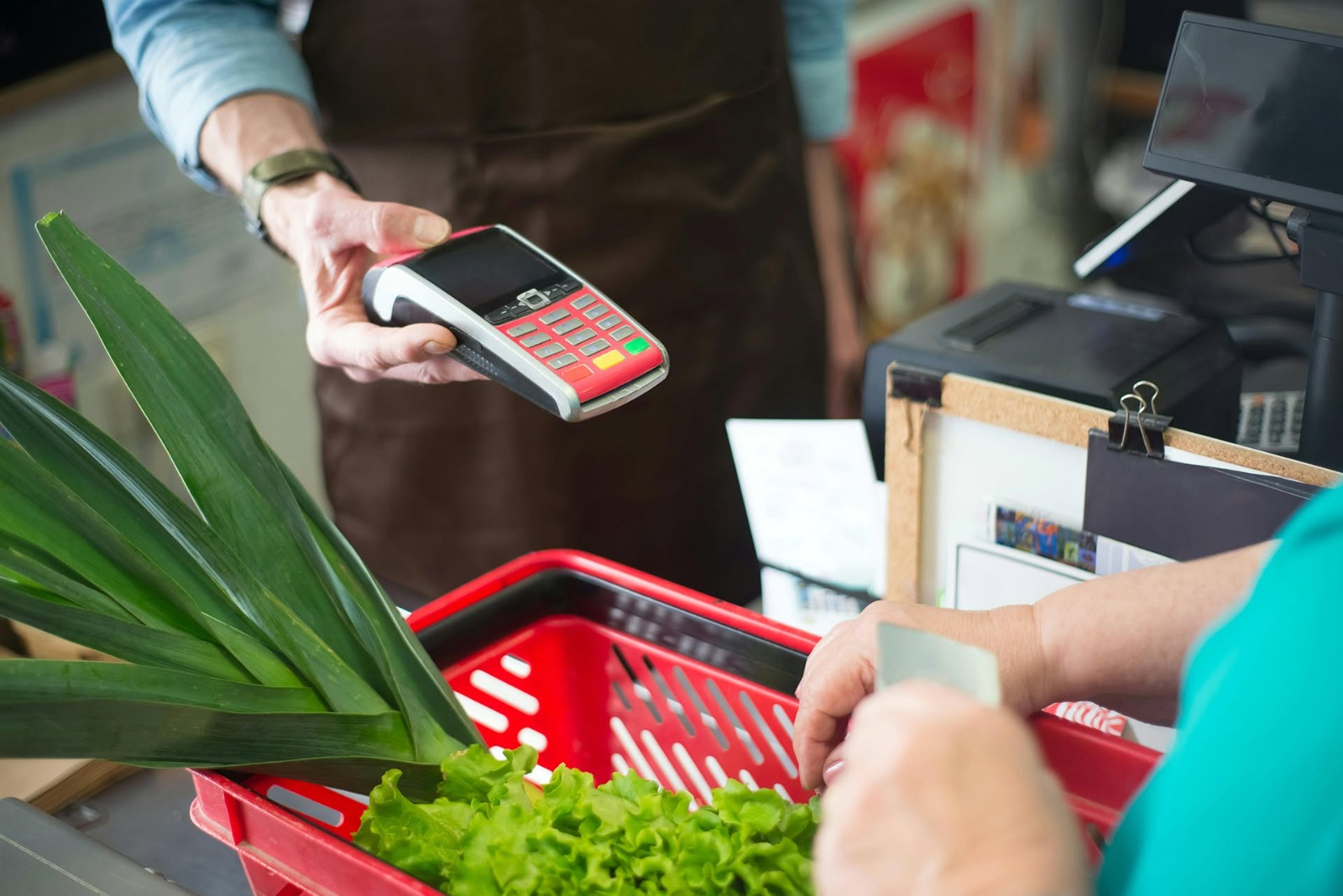
Inflation in Serbia remains within the target range of the National Bank of Serbia, while food prices have started to show signs of easing after a long period of pressure on household budgets.
Economic analysts say that the latest data indicate a more stable price environment compared with the previous period, when citizens faced strong increases in basic goods, energy and services. The slowdown in inflation is important because it can reduce pressure on consumers and give the central bank more room to keep monetary policy stable.
Food prices are especially important for citizens because they are one of the most visible parts of everyday inflation. Even when overall inflation slows, many households still feel that life remains expensive, particularly if salaries and pensions have not fully kept up with earlier price increases.
The National Bank of Serbia has kept its inflation target at 3%, with a tolerance band of 1.5 % above or below that level. This means that inflation is considered within target as long as it remains between 1.5 and 4.5%.
According to current expectations, inflation should remain mostly within this range in the coming period, although possible changes in energy prices, food markets and global conditions could still affect future movements.
For businesses, lower and more predictable inflation is important because it makes planning easier. Companies can estimate costs more clearly, while consumers may become more confident if they expect prices to remain more stable.
However, economists usually warn that lower inflation does not mean prices are returning to previous levels. It mainly means that prices are rising more slowly than before. For many citizens, the cost of living can still feel high because the increases from previous years remain built into current prices.
The situation in Serbia will continue to depend on domestic economic policy, agricultural production, import prices and global market developments. If food and energy prices remain stable, inflation could stay under control, but any new external shock could again create pressure on consumers and businesses.