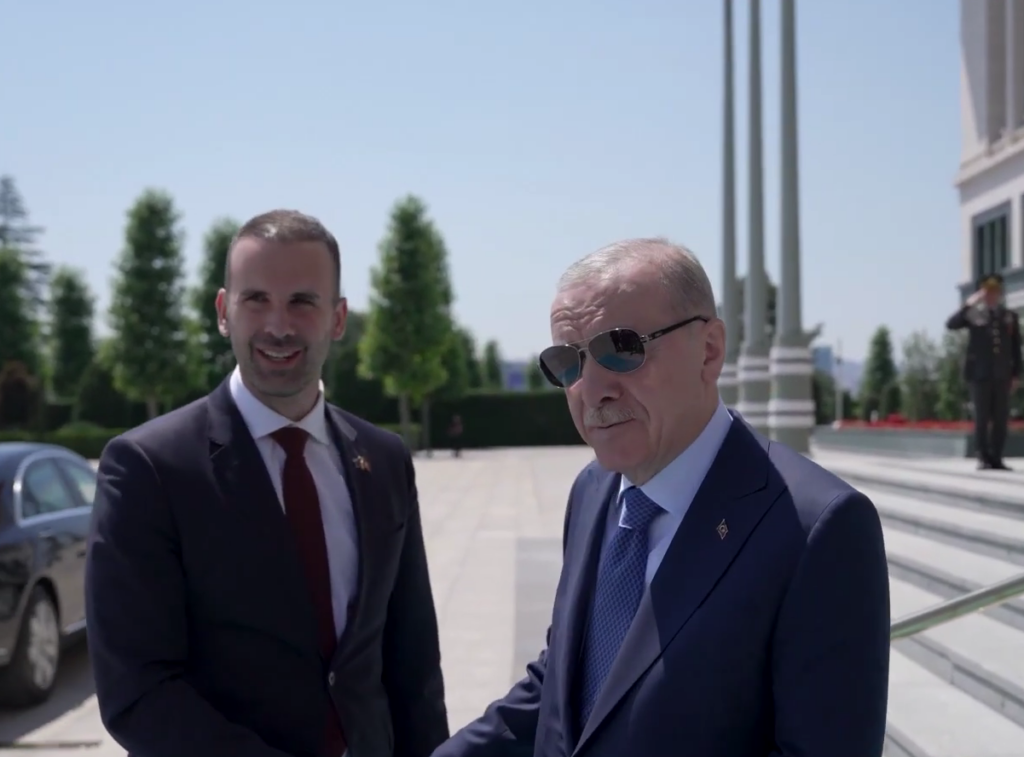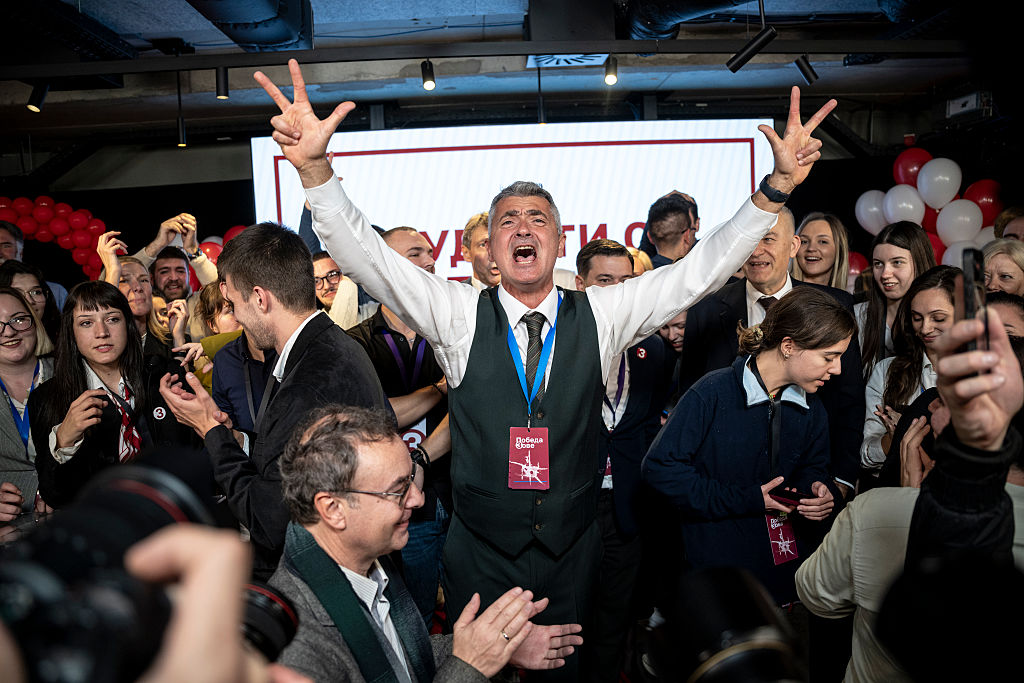
Slovenia left the NATO summit in Ankara as the alliance’s sole laggard on defense spending, having allocated just 1.61% of GDP to core defense in 2026, the only member state below the 2% threshold. Prime Minister Janez Janša, who returned to office last month, pledged to reverse course and prepare a credible national plan to push spending above 2% by year’s end and reach 3.5% by 2035, warning that Slovenia’s credibility and security were at stake. The commitment marks a sharp break from the previous government of Robert Golob, which Janša accused of making unfulfilled promises and counting non-defense items toward the NATO target. Golob rejected the criticism, arguing that investments in dual use projects and societal resilience offered better security guarantees than weapons alone.
The most pressing capability gap involves armored personnel carriers needed for Slovenia to form a medium sized battalion battle group, its core NATO commitment. Defense Minister Valentin Hajdinjak said the government is reviewing “all possibilities” to secure vehicles quickly and cheaply, warning that Slovenia has been left “practically where it was in 2016” after Golob’s government scrapped a 2022 deal for 45 Boxer vehicles and then deferred a replacement purchase of 100 Patria AMV XP vehicles from Finland. The delays, driven by political sensitivity ahead of the 2026 elections and demands for added anti drone capabilities, have caused prices to roughly double and delivery times to lengthen. Former defense minister Matej Tonin criticized the stall, noting that under the original Boxer contract the army would already have 35 vehicles delivered by now.
The spending catch up is further complicated by strained public finances. The budget deficit jumped to €1.2 billion in the first half of 2026, increasing roughly 50% year on year, and the government is already working on a budget revision. Janša said these efforts are being held hostage by a pending Constitutional Court review of a referendum motion targeting an omnibus tax cut bill passed in May. “It is impossible to make financial plans or change them without knowing whether the court will allow a referendum,” he stated, calling on judges to decide because “the country is at a standstill because of this.” The fiscal squeeze leaves Slovenia in a difficult position, it must simultaneously fund tax cuts, address a widening deficit, and find hundreds of millions of euros for defense procurement that previous governments deferred.
The political backdrop reveals deep divisions over Slovenia’s NATO orientation. Golob’s previous government had clashed with coalition partners over the 5% GDP target agreed at the 2025 Hague summit, with the Left party pushing for a referendum to cap spending at 3%. Golob responded with a provocative counter proposal for a consultative referendum on NATO membership itself, arguing citizens must choose between paying for the alliance or leaving it. Parliament ultimately canceled both referendums, but the episode exposed fissures that Janša now inherits. With Slovenia positioned as the only NATO member failing to meet even the baseline 2% commitment, and with a new 5% target looming for 2035, the country faces a stark choice between rapid military investment and the fiscal and political costs of catching up after years of delay.