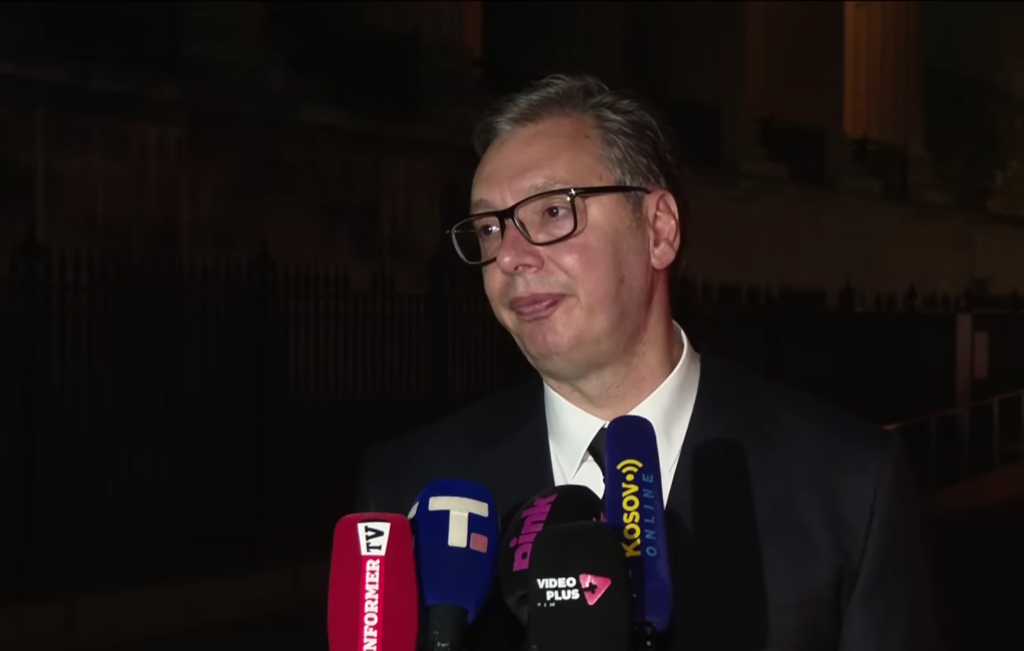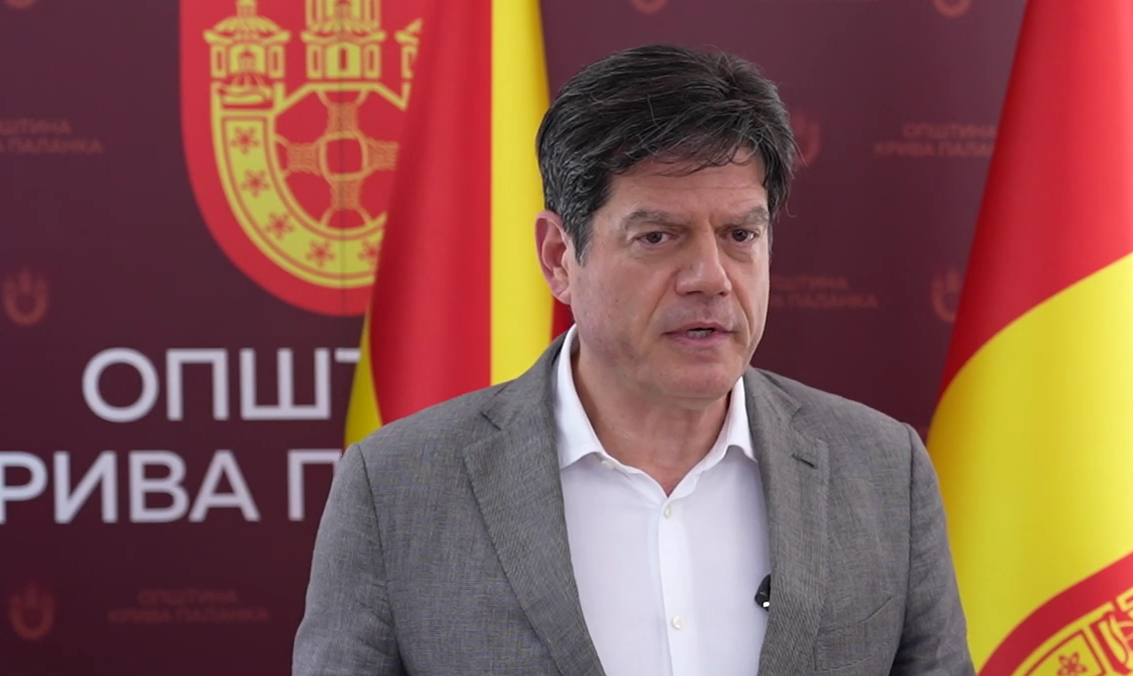
EU Ambassador to Macedonia Michalis Rokas expressed hope on Monday that political parties would reach consensus on amendments to the Electoral Code, warning that failure to do so could jeopardize the disbursement of €4.2 million in European funds tied to the country’s Reform Agenda. Speaking at a vehicle donation ceremony for the State Transport Inspectorate, Rokas emphasized that the deadline for agreement was imminent and that the funds were intended to benefit citizens directly. The electoral reform is one of ten specific commitments under Macedonia’s Reform Agenda, which was approved in October 2024 as part of the EU’s €6 billion Growth Plan for the Western Balkans.
The urgency reflects a broader pattern of sluggish reform implementation. According to European Commission assessments published in 2025, Macedonia had completed only 6 of 21 reform steps across two reporting periods, a 28.6% completion rate that declined from 40% in December 2024 to 28.6% by June 2025. In the critical area of fundamental rights and rule of law, none of the four reform steps were achieved. The Electoral Code amendments, which require an inclusive, consensus based process reflecting ODIHR recommendations from all election reports, were drafted by the Ministry of Justice but have stalled in parliament due to political disagreements. Rokas noted that behind the scenes intensive talks are underway to overcome obstacles in the European integration process, and he expressed hope that a solution would soon open the path to the start of EU accession negotiations.
Rokas framed EU enlargement as an investment in “security, stability, prosperity, and competitiveness,” noting that the process is moving rapidly for four candidate countries and expressing hope that Macedonia would soon follow. His remarks come after EU Enlargement Commissioner Marta Kos visited Skopje earlier in July, delivering similar messages about the need for constitutional amendments and cross party consensus to advance the accession process. The electoral reform deadlock is particularly consequential because Macedonia’s EU path has already been marked by prolonged delays, the country became an official candidate in 2005, saw negotiations blocked by Greece over the name dispute until 2019, then faced a Bulgarian veto from 2020 to 2022. Accession talks finally began in July 2022, but substantial negotiations have yet to start, with the country lagging behind Montenegro and Albania in implementation progress.
The €4.2 million at stake represents only a fraction of the total financial support available under the Reform and Growth Facility, but it carries symbolic weight as a test of Macedonia’s ability to deliver on concrete commitments. The Reform Agenda allocates significant resources across governance, energy transition, human capital, private sector development, and rule of law, with individual reforms carrying price tags ranging from €2.1 million to €51.4 million. For Prime Minister Hristijan Mickoski’s government, which took office in 2024 promising to accelerate EU integration while resisting what it views as identity based bilateral demands, the electoral law negotiations present a delicate balancing act. With Rokas warning that “today is the last day” for a deal and the European Commission’s next assessment looming, the coming hours could determine whether Macedonia maintains its momentum or slips further behind its regional competitors in the race for EU membership.