The United States has banned its citizens in the Democratic Republic of Congo from returning on commercial flights and imposed strict quarantine requirements, as the Ebola outbreak caused by the rare Bundibugyo virus strain continues to spiral with 1,926 confirmed cases and 702 deaths. The CDC order, issued under Title 49 transportation regulations, places Americans in Congo or those who recently left on a “do not board” list until they spend at least 21 days in a third country. The restrictions came after Health and Human Services Secretary Robert F. Kennedy Jr. signed an order citing the heightened risk from a virus spreading to within hours of the Congolese capital, Kinshasa. Approximately 20 Americans who had traveled to Congo were scheduled to fly to the US on Monday morning but were blocked under the new rules, with the State Department pledging support during the waiting period.
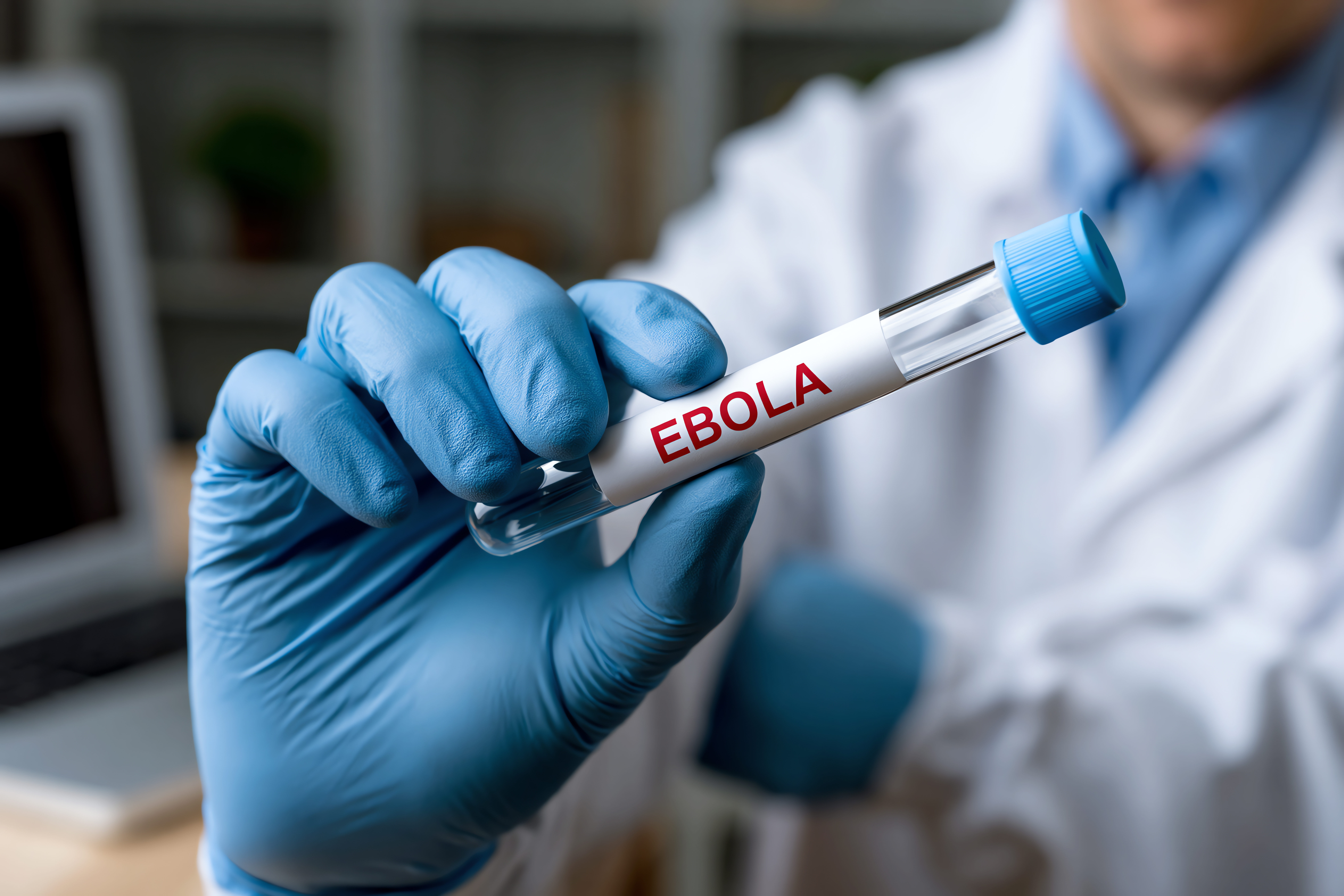
The outbreak, declared a Public Health Emergency of International Concern by the WHO on May 16, is spreading at an alarming pace. It took just 40 days to surpass 1,000 confirmed cases, a milestone the 2018 North Kivu outbreak needed 235 days to reach. The virus, which causes high fever, vomiting, and internal and external bleeding, is transmitted through direct contact with bodily fluids. Unlike the more common Zaire Ebola strain, there are currently no approved vaccines or specific therapeutics for Bundibugyo virus, though early supportive care is lifesaving and a macaque study suggests the Ervebo vaccine may offer partial protection. The outbreak is heavily concentrated in Ituri province, which accounts for 1,745 cases, but has spread to North Kivu, South Kivu, Haut-Uele, and Tshopo provinces. Uganda has reported 20 confirmed cases, including two deaths, while France confirmed one imported case in June. The true scale is likely far worse than official figures suggest, given limited healthcare infrastructure, ongoing conflict, and violence against healthcare workers.
The American response has intensified as the crisis deepened. The CDC confirmed on Friday that a US citizen working for a humanitarian organization in Congo tested positive for Bundibugyo virus and was medically evacuated to Frankfurt, Germany, on July 13 for treatment at the city’s university hospital. This followed an earlier case in May, when another American identified as Dr. Peter Stafford of Serve Christian Mission contracted Ebola and was also transferred to Germany. The US Embassy in Kinshasa issued a stark health alert advising Americans not to travel to Congo “for any reason,” warning that exposed travelers may face quarantine abroad at their own expense and urging them to complete wills and update end of life instructions. The CDC has also restricted entry for foreign nationals who have been in DRC, Uganda, or South Sudan in the past 21 days, routing permitted travelers through designated airports in Washington, Atlanta, Houston, and New York for enhanced screening. The Trump administration has urged European nations to impose similar travel restrictions, particularly ahead of the FIFA World Cup, though EU states had not responded as of early June.
The global implications are mounting. With no approved treatments and the virus spreading in a conflict zone where 1.9 million people already need humanitarian aid, the outbreak represents one of the most challenging public health emergencies in recent memory. The US travel ban reflects growing alarm that the virus could escape Africa through international travelers, while the evacuation of American patients to Germany highlights the limited treatment capacity in the affected region itself. For Congo, already battered by decades of conflict and previous Ebola outbreaks, the Bundibugyo epidemic is a devastating new chapter in a long history of public health crises. For the international community, the question is no longer whether to respond, but whether the response can outpace a virus that has proven it can spread faster than any Ebola outbreak before it.