The Council of Ministers of Bosnia and Herzegovina is convening on July 15 for a high stakes session that could reshape the country’s approach to migration management, human rights commemoration, judicial accountability, and border enforcement. At the top of the agenda sits a proposal from the Ministry of Security to terminate the existing legal framework designating temporary reception centers for migrants, a move that signals a potential structural shift in how the state handles one of the most politically sensitive issues in the Western Balkans. Ministers will also examine a revised program for marking significant human rights dates in 2026, review Bosnia’s fourth interim compliance report with anti corruption standards set by the Council of Europe’s GRECO, and deliberate on a new rulebook governing border violations and incidents. Rounding out the session is a proposed opinion on legislation concerning the management of administrative property at the state level.
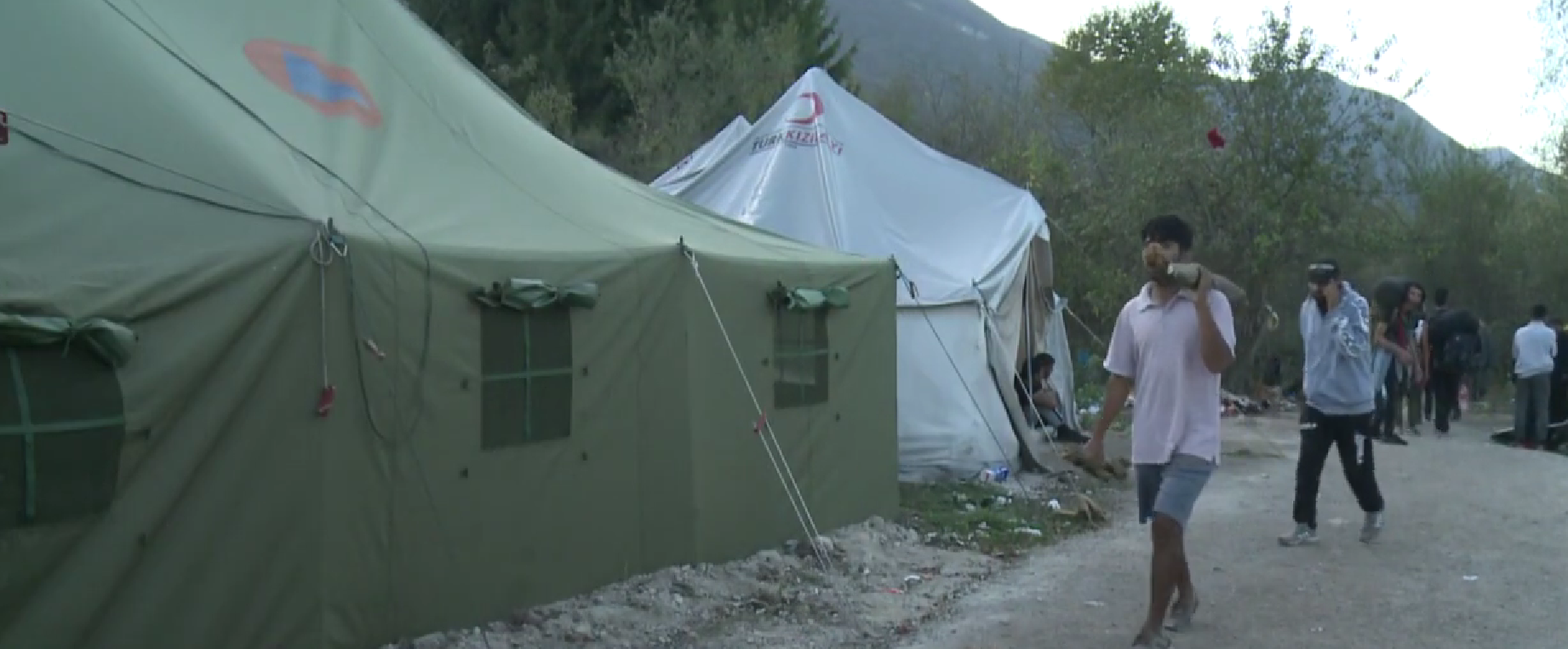
The proposed termination of the decision on temporary reception centers comes at a critical juncture in Bosnia’s migration policy. For years, the United Nations Migration Agency (IOM) has operated the country’s main reception facilities, including the Ušivak and Blažuj centers near Sarajevo and the Lipa camp in Una Sana Canton, with substantial financial backing from the European Union, which has poured over 100 million euros into Bosnia’s migration management infrastructure. However, 2026 marks a watershed moment as the Service for Foreigners’ Affairs, operating under the Ministry of Security, assumes direct control of these facilities under the EU’s Migration and Asylum Strategy and Action Plan. As of April 2026, approximately 333 migrants remained accommodated in the two transit reception centers near the capital, with the overall system having seen a 41.7% spike in new arrivals in late 2025. The proposed termination suggests the Council may be moving to formally dissolve the existing IOM era legal designation and replace it with a state centric framework, aligning operational reality with institutional responsibility. This shift reflects both Brussels’ insistence on state ownership of migration governance and domestic pressure to assert sovereignty over a portfolio long managed by international organizations.
Parallel to the migration debate, the session will tackle Bosnia’s standing with GRECO, the Council of Europe’s anti corruption monitoring body. The fourth evaluation round, which ran from 2012 to 2017, zeroed in on corruption prevention among members of parliament, judges, and prosecutors. precisely the institutions where Bosnia has struggled most with transparency. GRECO’s previous reports have pressed Sarajevo to strengthen asset declaration requirements and introduce independent monitoring mechanisms with real investigative powers. The fourth interim report on the agenda this week will indicate whether Bosnia has made sufficient progress to avoid further censure, or whether it remains among the laggards in a compliance process that has already stretched for years. The outcome carries weight beyond symbolism, persistent non compliance can affect a country’s trajectory toward European integration, and Bosnia’s governance crisis, characterized by ethnic deadlock and weak inter entity coordination, has historically complicated reform implementation.
The remaining agenda items reveal a government attempting to tighten its administrative grip on multiple fronts. The proposed rulebook on state border violations would clarify procedures for the Border Police and the Service for Foreigners’ Affairs when confronting unauthorized crossings, a persistent challenge along Bosnia’s porous frontier with Croatia and Serbia. The draft opinion on the law governing administrative property, meanwhile, addresses the opaque management of state level assets, a domain where accountability gaps have long fueled concerns about misuse of public resources. Together, these proposals suggest a legislative push to consolidate control over borders, property, and reception infrastructure that has historically been fragmented across Bosnia’s complex multi layered governance structure. Whether the Council can deliver meaningful progress depends on overcoming the very coordination failures that GRECO and Brussels have repeatedly flagged, namely, the tendency for entity level and cantonal authorities to obstruct state level initiatives when political interests diverge.