A $16 billion data center project in Saline Township, Michigan, has become the latest flashpoint in a growing national rebellion against the rapid expansion of AI infrastructure, uniting voters across party lines in opposition to developments they see as extractive and disruptive. The Stargate facility, backed by Oracle, OpenAI, Blackstone, and others, is rising on 250 acres of former farmland despite fierce local resistance over water supplies, electricity costs, and rural character. According to research, only a third of Americans approve of the current pace of data center construction, and just 14% would support one in their own community. The discontent is reshaping politics from town halls to Senate races, forcing even the Trump administration to respond with a voluntary pledge aimed at shielding taxpayers from footing the bill for AI’s energy appetite.
The Saline fight illustrates how quickly local opposition can escalate. After the township board denied rezoning in September, developers sued, forcing a settlement that allowed construction to proceed in exchange for $14 million in community benefits, farmland preservation, and water use restrictions. Ground broke on June 1 with Governor Gretchen Whitmer and OpenAI CEO Sam Altman in attendance, but activists like Tammie Bruneau continue challenging the agreement in court. “Most people aren’t interested in some massive development here,” she said. “They’re interested in protecting the farmland.” Similar battles are unfolding across Michigan, where at least thirteen data centers are in various planning stages. In Washington Township, developers withdrew after resident mobilization, in Augusta, petitioners forced a public rezoning vote. The backlash is not confined to Michigan, between March and June 2025, community opposition blocked or delayed $98 billion in data center projects nationwide, and at least 25 projects were canceled last year due to local objections.
The tension is increasingly visible in electoral politics. In Michigan’s August 4 Democratic Senate primary, candidates are navigating the divide between tech optimism and voter anger. Representative Haley Stevens has embraced AI as “revolutionary technology” linked to job creation, while progressive challenger Abdul El-Sayed has called for AI companies to operate as public benefit corporations with stronger oversight and suggested local moratoriums may be necessary. Even the Trump administration, which has prioritized rapid AI development to compete with China, has taken note. In March, the White House convened seven leading tech companies to sign the Ratepayer Protection Pledge, a voluntary commitment requiring hyperscalers to “build, bring, or buy” their own power and pay for grid upgrades rather than socializing costs across all utility customers. Yet experts are skeptical. Harvard Law School’s Ari Peskoe argues the pledge “does nothing to help consumers” since states and public utility commissions control electricity markets, not the White House or tech firms. The administration renewed its push this month as midterm campaigning intensifies, but the voluntary nature of the commitments leaves enforcement uncertain.
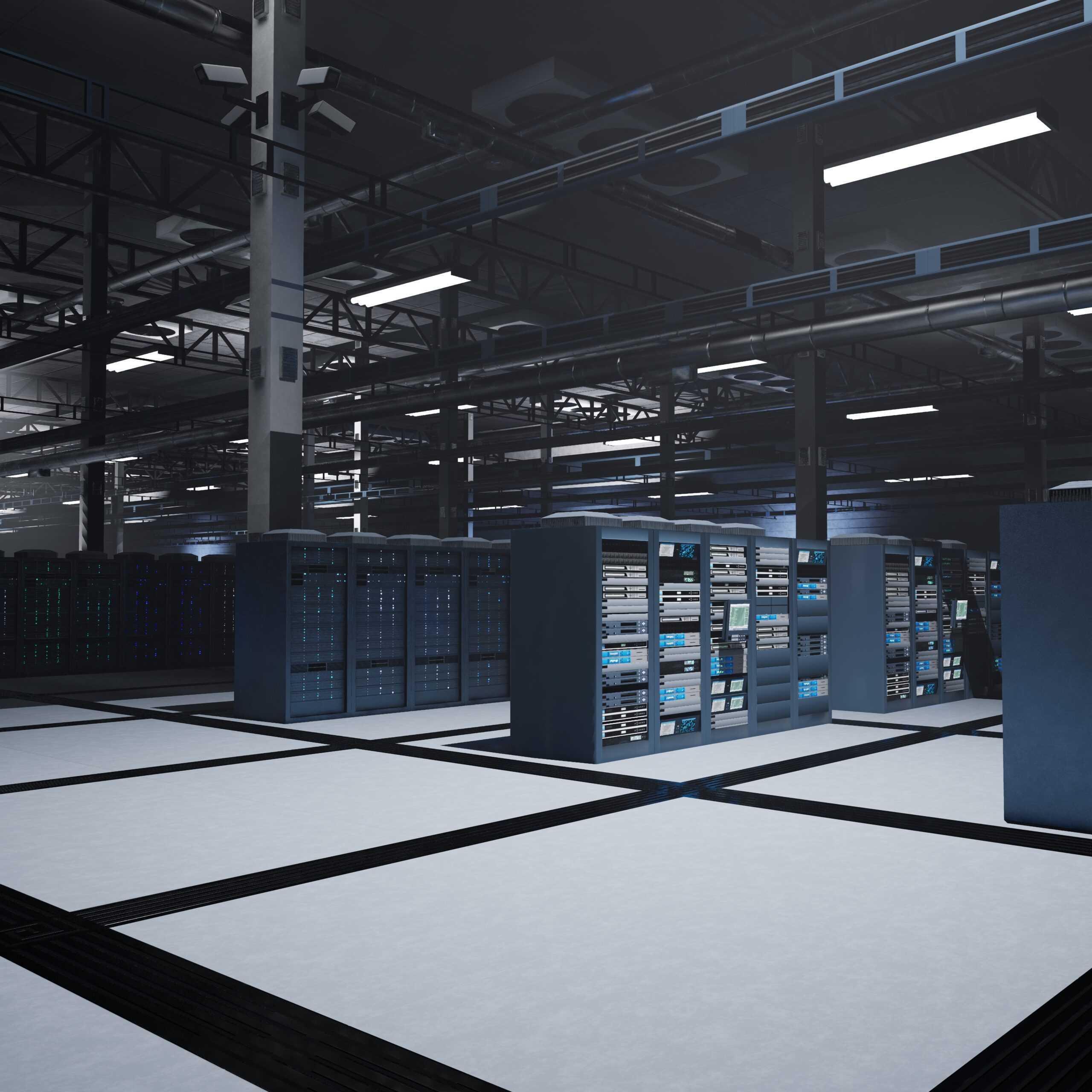
The scale of the infrastructure buildout is staggering. A typical hyperscale data center consumes as much electricity as 100,000 households, and global data center energy use already exceeds that of all but ten countries worldwide. In Virginia’s “Data Center Alley,” nearly 600 facilities account for almost 40% of the state’s electricity consumption, and areas with high data center concentrations have seen electricity prices jump 267% over five years. Water usage is equally concerning, a single facility can consume up to 5 million gallons daily for cooling, and two thirds of data centers built since 2022 are in regions already experiencing water stress. Environmental and health impacts compound the problem, diesel backup generators emit pollutants linked to cancer and respiratory illness, and 82% of California data centers are located in communities already facing poor air quality. With data centers projected to account for 25% of new U.S. electricity demand by 2030, the clash between AI ambition and community preservation is only deepening. As one Michigan voter put it, the industry feels like “a runaway train”, and politicians on both sides are scrambling to catch up.