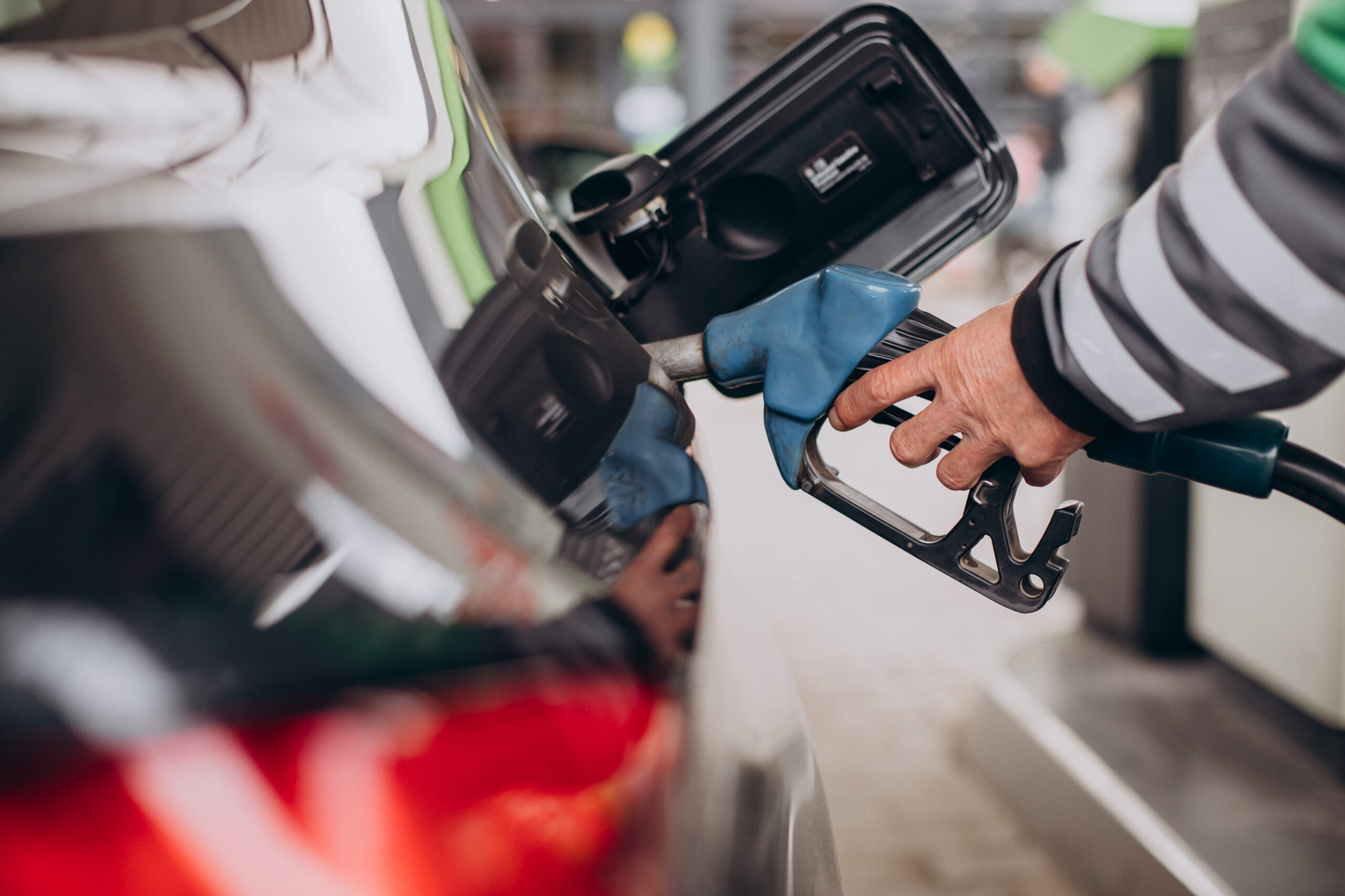
The Serbian government approved a temporary 20% reduction in excise duties on petrol and diesel on Monday, a one week measure running from July 20 to July 26 aimed at cushioning motorists from soaring refined oil costs driven by the Middle East conflict. Officials said the cut was necessitated by a continued rally in international crude prices, which have pushed global fuel costs higher since Iran closed the Strait of Hormuz in late February. The move follows earlier interventions this year, including a 40% excise reduction announced by President Aleksandar Vučić in March that brought cumulative cuts to roughly 61%.
Serbia is not alone in deploying fiscal tools to manage the energy shock. Across the Balkans and broader Europe, governments have scrambled to contain price spikes since the Iran war began. In March, Serbia banned fuel exports, released state reserves, and slashed levies after petrol rose from €1.51 to €1.61 per liter and diesel climbed from €1.53 to €1.57. Neighboring North Macedonia cut VAT on fuel from 18% to 10%, while Montenegro reduced diesel excises by 50% and petrol by 25%. Croatia froze electricity and gas prices alongside fuel regulation, and Romania declared a 180 day oil sector crisis. The EU as a whole saw fuel prices rise 20.7% year on year by May 2026, with diesel up 29% and petrol 16.2%.
The short term nature of Serbia’s latest cut, just seven days, suggests either a tactical pause while assessing market movements or political theater ahead of looming elections that Vučić has promised to call “very soon.” With global petrol prices having risen 9.5% and diesel 11.1% in Serbia since the war began, and with Trading Economics projecting gasoline could reach $2.52 per liter by quarter’s end, the fiscal pressure on Belgrade is intensifying. The government has already warned it is effectively forgoing state revenue to keep prices stable. Whether temporary excise tweaks can hold back the tide of global energy inflation remains doubtful, particularly if the Hormuz crisis deepens and Brent crude pushes past its current $90 per barrel threshold.