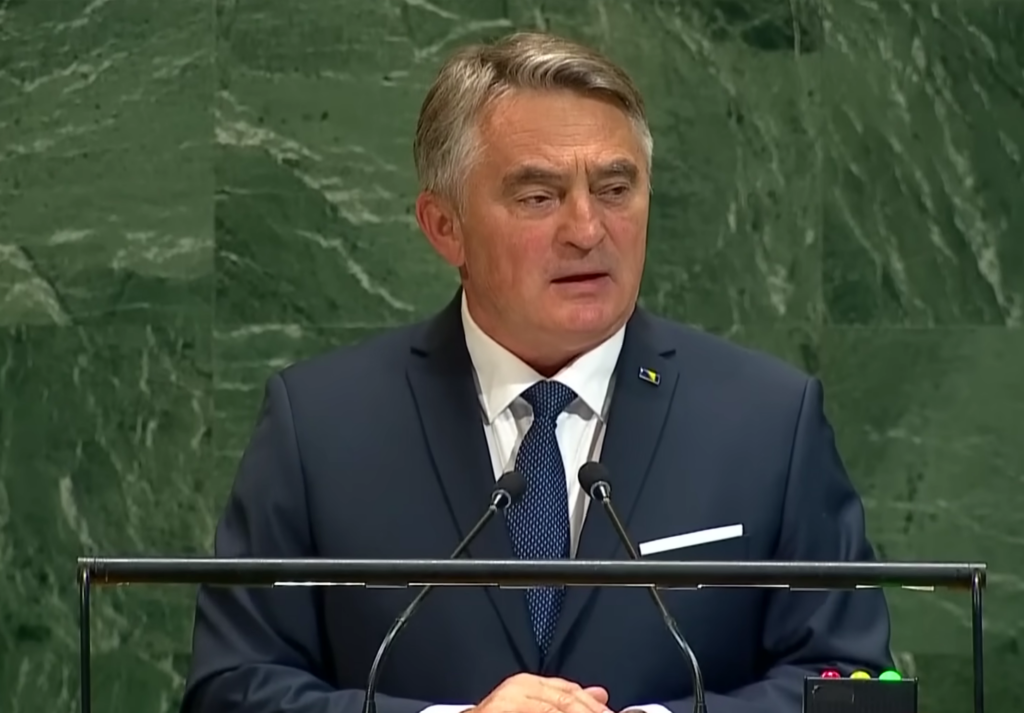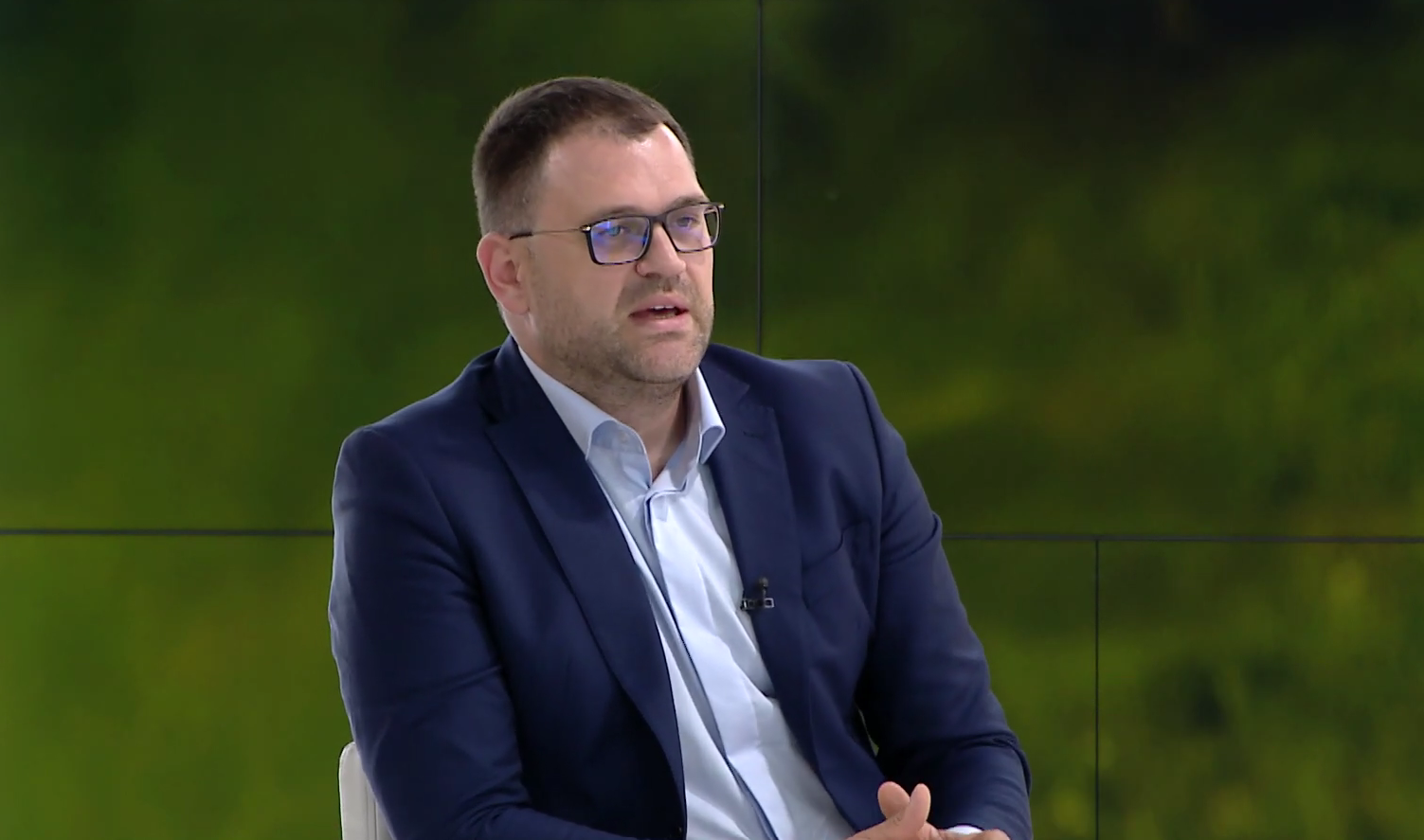
Montenegrin opposition MP Mihailo Anđušić has launched a sharp attack on the government over fuel prices, accusing it of deliberately keeping costs high to fund what he calls “its own nonsense.” The Democratic Party of Socialists (DPS) political director claimed in a social media post that fuel prices “could be significantly lower starting tomorrow” if the government simply chose to act, yet it refuses to reduce excise taxes on petroleum products because it needs the revenue. His remarks come as Montenegrin drivers continue to pay among the highest fuel prices in the Western Balkans, with gasoline at approximately €1.62 per liter and diesel at €1.58 per liter as of July 2026, figures that place the country well above neighbors like Bosnia and Herzegovina (€1.41/€1.43) and Macedonia (€1.39/€1.34), and even above some EU members.
Anđušić’s criticism centers on excise duties, which make up a substantial portion of the final pump price in Montenegro. Prior to government intervention, the excise duty on Eurodiesel stood at 44 cents per liter, while gasoline carried an excise of 54.9 cents per liter. In March 2026, facing a surge in global oil prices driven by escalating tensions in the Middle East, the government did cut excise taxes, reducing diesel excise by 50% and gasoline excise by 25%, which limited a projected 31 cent diesel increase to roughly 4 cents. However, this measure came at a cost of approximately €8 million in monthly state revenue, and the government extended the reduced rates only until late May 2026.
The DPS MP characterized the current situation as “excellent preparations for the Europe Now 3 program”, a pointed reference to the government’s flagship economic initiative. The Europe Now program, first launched in 2022, introduced progressive taxation and significant social benefits including minimum wage increases and expanded child allowances, but was partially funded through measures that Parliament later rejected, including changes to excise tax policy that would have generated an estimated 0.4% of GDP in additional revenue. The government’s reliance on fuel excise revenue is well documented, in 2021, higher excise rates helped boost central government revenue by 16.6% year on year, and excise taxes overall accounted for 7.8% of state revenues.
The political dimension of the fuel price debate is impossible to ignore. Anđušić and the DPS have consistently hammered the government on cost of living issues. In June 2025, he accused the administration of failing to continue its “Limited Prices” campaign while simultaneously allowing increases in bread, utility services, and fuel prices. The current criticism fits a broader opposition narrative, that the ruling coalition prioritizes its own fiscal and political projects over immediate relief for ordinary citizens.
Industry experts and economists have offered mixed assessments of the situation. While the government’s March 2026 excise cuts were praised for shielding consumers from a drastic price spike, some industry representatives warned that long term supply stability remains uncertain due to global disruptions and favored more flexible pricing models. The fundamental tension, between using fuel taxes as a reliable revenue stream and keeping prices affordable for citizens, remains unresolved. With global energy markets still volatile and Montenegro’s budget under pressure from ambitious social programs, the question of whether the government can afford to make fuel significantly cheaper is one that will likely dominate political discourse in the months ahead. For Anđušić and the DPS, the answer is simple, it could, if it wanted to. For the government, the calculus is far more complicated.