The director of the U.S. Center for AI Standards and Innovation, Chris Fall, has resigned just three months after taking charge of the federal agency responsible for evaluating risks linked to advanced artificial intelligence systems. The departure marks another major leadership change in the Trump administration’s evolving approach to AI policy and raises new questions about the future direction of government oversight of the rapidly developing technology sector.
The Department of Commerce confirmed that Fall had stepped down but did not provide a reason for his departure. Arvind Raman, who oversees the office responsible for the AI testing institute and previously served as dean of engineering at Purdue University, will temporarily take over leadership of the agency. Officials did not indicate how long the interim arrangement would last or whether a permanent replacement process had begun.
The AI safety institute plays a central role in the U.S. government’s efforts to understand and reduce potential risks associated with increasingly powerful AI models. The organization works with major technology companies, including OpenAI, Google’s DeepMind, Anthropic, Microsoft, and Elon Musk’s xAI, to evaluate AI systems before and after their public release. Researchers focus on identifying vulnerabilities, measuring potential misuse risks, and developing methods to ensure advanced models are not exploited for harmful purposes.
Among the institute’s priorities are preventing hostile actors from using artificial intelligence to support the development of chemical or biological threats, as well as reducing risks related to manipulated or unreliable training data. The agency also studies how advanced AI systems could affect cybersecurity, information security, and other areas of national importance. Its work has positioned it as one of the main federal bodies responsible for coordinating AI safety standards with both government and private sector researchers.
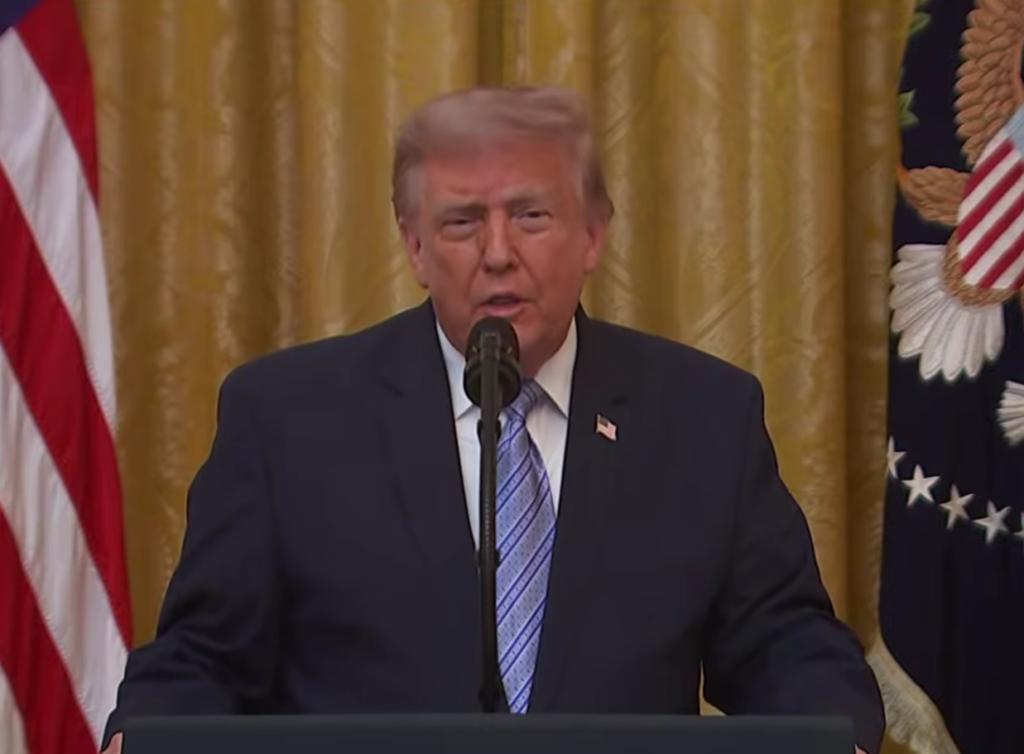
Fall’s resignation comes as the Trump administration’s position on AI regulation continues to shift. After returning to office in 2025, President Donald Trump initially promoted a less restrictive approach toward the technology industry, emphasizing innovation and limiting government intervention. However, the administration has since increased its involvement in AI oversight, creating uncertainty over how aggressively Washington will regulate the sector.
The leadership change also comes during a broader global debate over how governments should manage artificial intelligence. Countries including the United States, European Union members, and others have been developing different approaches to balancing technological growth with concerns about safety, privacy, cybersecurity, and national security. The rapid development of advanced AI models has increased pressure on governments to create reliable testing systems without slowing innovation.
While the reason behind Fall’s departure remains unclear, the resignation represents a significant moment for the U.S. AI safety effort. The institute is expected to continue its work under interim leadership, but the search for a permanent director will likely attract attention from technology companies, policymakers, and researchers who are closely watching America’s strategy for managing artificial intelligence.
As AI capabilities continue to expand, maintaining stable leadership at federal oversight agencies will be considered increasingly important. The next steps taken by the Commerce Department could help determine whether the United States prioritizes stricter safety evaluations, industry led development, or a balance between innovation and regulation.