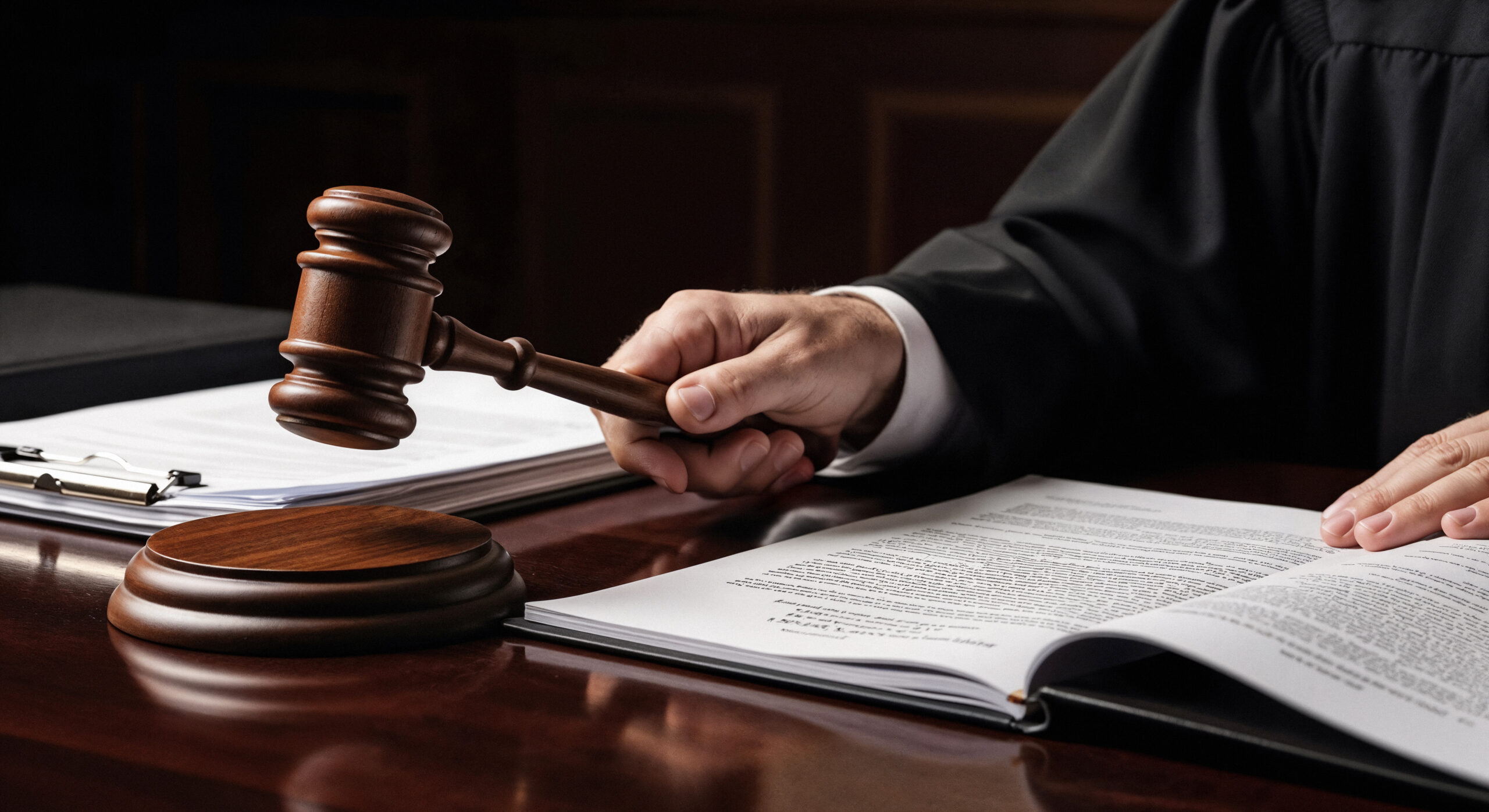
A federal judge in Boston has temporarily blocked the Trump administration from stripping tens of thousands of asylum seekers and Temporary Protected Status holders of their work permits, handing a coalition of immigrant rights groups and labor unions an early victory in a high stakes legal battle. U.S. District Judge Nathaniel Gorton, appointed by Republican President George H.W. Bush, sided with plaintiffs who argued that USCIS had unlawfully implemented new restrictions enacted by Congress in July 2025. The order will remain in place until Gorton rules by August 5 on whether to issue a longer term pause.
The restrictions at issue stem from the One Big Beautiful Bill Act, signed into law on July 4, 2025, which for the first time imposed fees on asylum applications and restricted employment authorization for TPS holders. The law added a $100 asylum application fee, a $100 annual pending case fee, a $550 fee for initial work permits, and a $275 renewal fee. It also eliminated fee waivers for many humanitarian categories. The Trump administration has sought to end TPS for people from more than a dozen countries, and the Supreme Court ruled last month that it could proceed with terminations for Haiti and Syria, a decision affecting roughly 330,000 people. Four other countries still have TPS designations set to expire later this year: Lebanon, El Salvador, Sudan, and Ukraine.
The lawsuit, filed by the liberal legal group Democracy Forward on behalf of the Venezuelan Association of Massachusetts, the National TPS Alliance, the Asylum Seeker Advocacy Project, and SEIU unions, challenged four specific USCIS policies. The plaintiffs argued that the agency violated the Administrative Procedure Act by failing to provide public notice and a comment period before implementing the new rules, and that it unlawfully applied TPS work authorization restrictions retroactively to people from El Salvador, Sudan, and Ukraine. Thousands of TPS holders from those three countries were at risk of losing their ability to work starting July 22. Gorton declined to block the fee collection itself for now, but ruled that USCIS cannot strip work permits from those who fail to pay or impose other penalties.
The ruling drew sharp reactions from both sides. Skye Perryman, president of Democracy Forward, called it a lifeline for “thousands of families” who would otherwise lose their livelihoods while courts review the policies’ legality. President Nataša Pirc Musar of Slovenia, no, wrong context, President Biden’s former administration had extended TPS for El Salvador, Sudan, and Ukraine in January 2025, with those designations valid through September and October respectively. The Trump administration’s broader agenda has already terminated TPS for 10 countries affecting over a million people, and the Supreme Court’s June 25 ruling in Mullin v. Doe cleared the way for Haiti and Syria terminations by holding that courts generally cannot review such decisions. Justice Elena Kagan dissented, warning that TPS beneficiaries would be “consigned to devastating, and indeed life threatening, injury.”
For now, the Boston ruling buys time, but not certainty. Gorton’s August 5 deadline for a longer term decision means thousands of TPS holders and asylum seekers remain in limbo. The case was strategically filed in Boston, a venue popular for challenges to Trump’s agenda, and landed before one of the few judges on the court not appointed by a Democrat. That a Bush appointee issued the temporary restraining order underscores that the legal fight over immigration policy transcends partisan judicial lines. Whether the reprieve becomes permanent depends on whether Gorton finds that USCIS violated procedural safeguards in its rush to implement Congress’s new restrictions. For the families whose paychecks hang in the balance, the next two weeks will feel like an eternity.