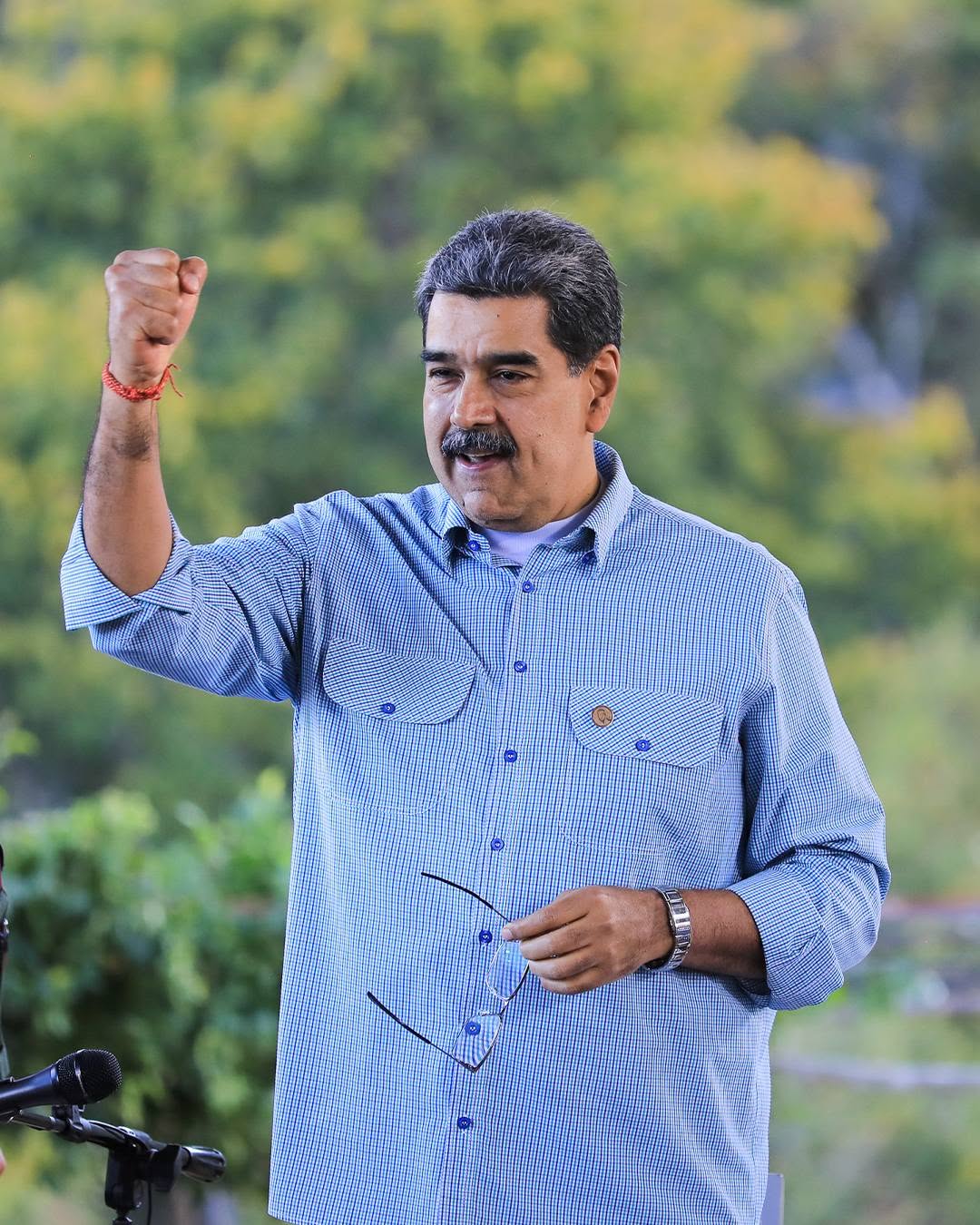
Ousted Venezuelan President Nicolás Maduro and U.S. prosecutors have jointly proposed a June 2027 start date for his criminal trial on drug trafficking and narco terrorism charges, according to a court filing ahead of a July 22 hearing in Manhattan federal court. The timeline, which must still be approved by U.S. District Judge Alvin Hellerstein, would see Maduro’s first round of dismissal motions due by September 2, likely including a claim of head of state immunity, followed by a second round by January 11 after prosecutors hand over classified evidence. The proposal marks a tentative roadmap for one of the most consequential criminal cases in recent U.S. history, involving a foreign leader captured by military force and brought to American soil to face American justice.
Maduro’s journey to a Brooklyn courtroom began on January 3, 2026, when U.S. Special Operations forces, reportedly Delta Force and the 160th Special Operations Aviation Regiment, launched a nighttime raid on a military complex in Caracas, dubbed Operation Absolute Resolve. The operation involved air strikes on Venezuelan air defenses, including Russian made Buk-M2E missile systems, before ground forces seized Maduro and his wife, Cilia Flores. They were flown to New York, where Attorney General Pam Bondi unsealed a superseding indictment charging Maduro with narco-terrorism conspiracy, cocaine importation conspiracy, and weapons offenses. The indictment alleges that for over 25 years, Maduro and associates in the “Cartel of the Suns” partnered with Colombian guerrilla groups and Mexican cartels to traffic “thousands of tons” of cocaine into the United States, enriching themselves while using Venezuelan military and diplomatic resources for protection.
Since his capture, Maduro has been held at the Metropolitan Detention Center in Brooklyn under “special administrative measures”, a designation reserved for inmates whose communications are deemed a potential risk, requiring Attorney General authorization. The unit, described by corrections officers as a “jail inside of a jail,” keeps him in near total isolation, 24 hour surveillance, escorted movement, one hour of solo recreation daily, and no contact with other inmates. His wife faces related charges and is held separately in the same facility. At his January 5 arraignment, Maduro pleaded not guilty and referred to himself as a “prisoner of war.” His attorney, Barry Pollack, has argued that U.S. sanctions are preventing Maduro from accessing Venezuelan government funds to pay for his defense, while prosecutors counter that allowing such access would undermine sanctions policy.
The legal and political stakes extend far beyond the courtroom. The United States has not recognized Maduro as Venezuela’s legitimate president since 2019, and the January 2026 military operation triggered worldwide condemnation and serious concerns about violations of international law and the U.N. Charter. President Trump declared that the U.S. would “run” Venezuela pending a political transition, though the legal basis for that claim remains unclear. The case raises profound questions about the prosecution of sitting or former heads of state, the circumstances of Maduro’s capture, and whether a U.S. court can assert jurisdiction over a leader seized by force from his own capital. Legal experts describe the territory as “largely uncharted.” For now, the June 2027 trial date offers a distant horizon. Whether it holds depends on Hellerstein’s rulings on immunity, the admissibility of evidence from a military raid, and the broader question of whether American justice can deliver a fair trial to a man America made its prisoner.