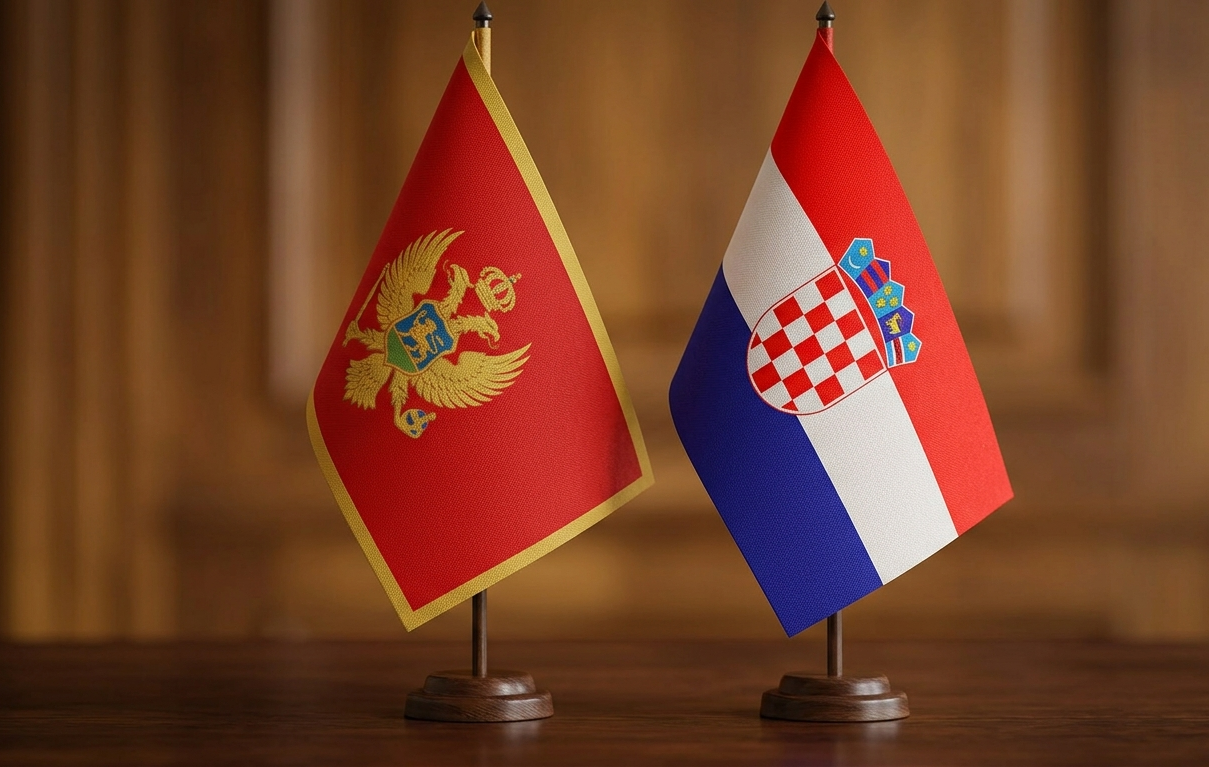
Croatia has issued a sharp ultimatum to Montenegro, resolve all outstanding bilateral disputes before the end of 2026, or face a Croatian veto that would block the closure of EU accession negotiations. The Croatian Ministry of Foreign and European Affairs warned that “the principle of good neighborly relations is one of the key political criteria in the EU enlargement process” and that “the EU is very clear in its messages that it cannot and does not want to import bilateral disputes.” The statement came one day after European Commissioner for Enlargement Marta Kos visited Zagreb, underscoring the EU’s awareness that Croatia’s position could derail the entire Western Balkans enlargement momentum.
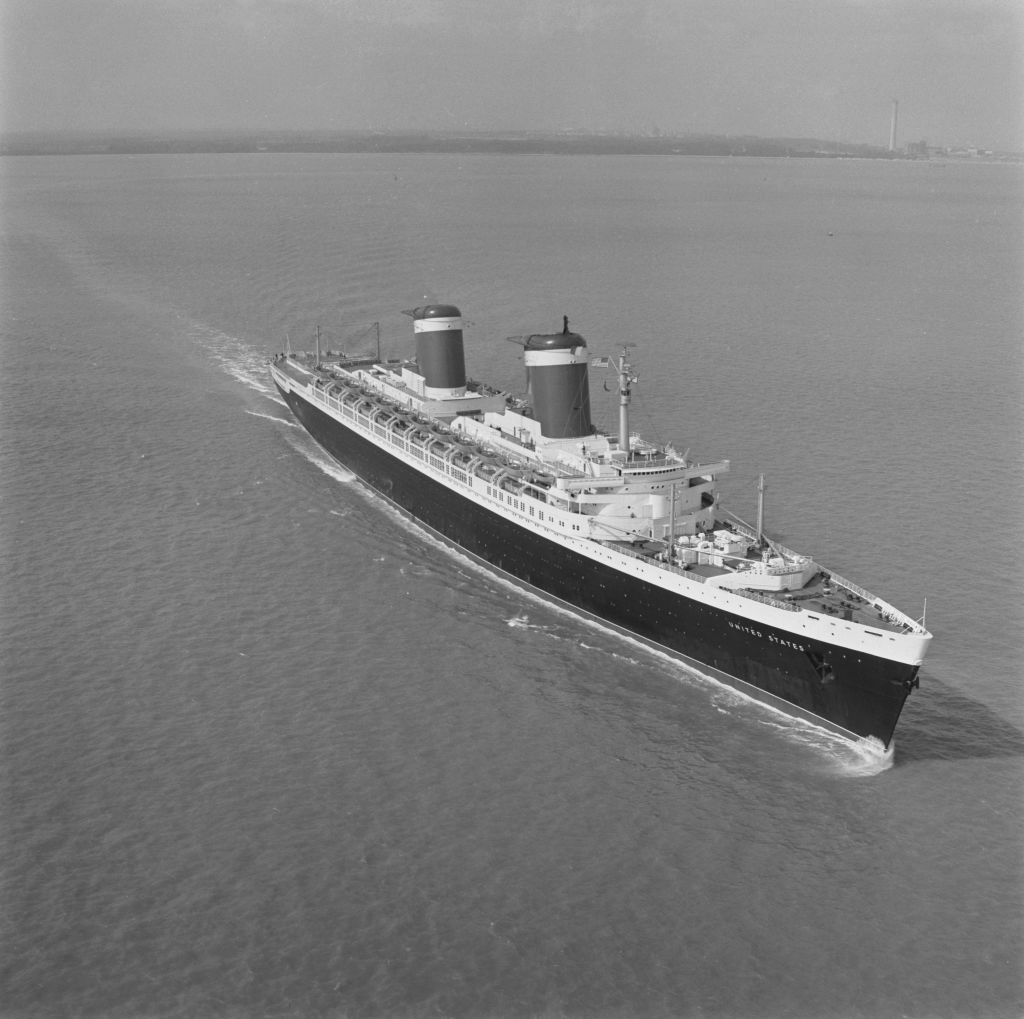
The disputes are extensive and deeply rooted in the Yugoslav wars of the 1990s. Croatia’s 10 point list includes: property rights for Croatian families dispossessed in Montenegro, the fate of 14 Croats who disappeared during the Homeland War, prosecution of war crimes, delimitation of the maritime border near the strategic Prevlaka Peninsula, and the return of the training ship “Jadran,” which Croatia considers part of its national heritage. The Morinj camp issue is particularly sensitive, Croatia is demanding €15-17 million in compensation for Croatian citizens detained there in 1991-1992, as well as changes to a commemorative plaque and the renaming of a Kotor swimming pool honoring Zoran Gopčević, a former camp guard. Montenegro has already compensated some victims, but Croatia insists on broader recognition and reparations.
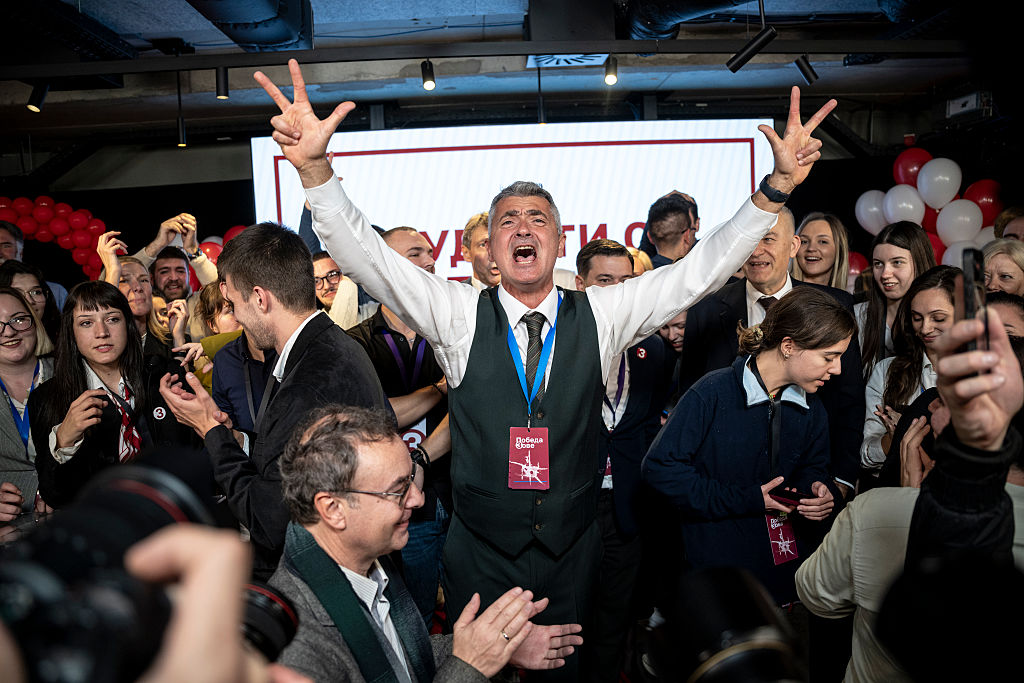
The stakes could not be higher for Montenegro. Prime Minister Milojko Spajić has set an ambitious target of closing all 33 negotiating chapters by the end of 2026 and securing EU membership by 2028, a timeline that would make Montenegro the Union’s 28th member state. The country has already provisionally closed 16 chapters and received a positive Interim Benchmark Assessment Report in June 2024, clearing the critical rule of law hurdles in Chapters 23 and 24. But Croatia exercised its veto power in December 2024, blocking Chapter 31 (Common Foreign, Security and Defence Policy) over the Jasenovac resolution controversy, when Montenegro’s parliament passed a resolution recognizing the WWII concentration camp as a genocidal operation. Croatia responded by declaring three Montenegrin officials persona non grata and freezing bilateral dialogue.
Montenegrin Minister for European Affairs Maida Gorčević expressed cautious optimism last month, telling the European Parliament that “communication continues and I hope that in the coming months we will resolve all issues, or at least most of them.” But President Jakov Milatović has been more critical, calling the government’s foreign policy “schizophrenic” and accusing Croatia of exploiting internal divisions. The Bled Strategic Forum in September 2025 saw some progress, Croatian Prime Minister Andrej Plenković described talks as constructive, but fundamental disagreements persist. The EU, for its part, has remained largely on the sidelines, with no concrete mediation initiative comparable to the Prespa Agreement that resolved the Greece-Macedonia name dispute.
The broader implications extend beyond Montenegro. Croatia’s use of its veto power illustrates a structural weakness in the EU accession framework, individual member states can halt the process based on national interests, undermining the credibility of enlargement policy. If Montenegro, the most advanced candidate, with all chapters opened and 16 provisionally closed, can be blocked by a single neighbor, what chance do Serbia, Macedonia, or Albania have? For now, Zagreb has shown “strategic patience and understanding,” but its patience is wearing thin. “Now is the time for decisive steps from the Montenegrin government,” the Croatian statement concluded. With only months remaining in 2026, the clock is ticking. Montenegro must choose: make the concessions Croatia demands, or watch its EU dream slip beyond 2028.