A growing disparity in state subsidies and agricultural investment is widening the competitiveness gap between European livestock producers and regional farmers in Macedonia. Current regional data highlights stark contrasts in government financial support, directly impacting milk yields, farm modernization, and food export capabilities across Southeast Europe.
In Slovenia, comprehensive state support measures allow dairy farmers to receive up to two thousand euros in combined annual subsidies per head of cattle. This substantial financial backing enables advanced breeding, modern infrastructure, and high-efficiency operations, resulting in an average annual milk yield of seven thousand to eight thousand liters per cow. In contrast, Macedonian livestock farmers receive less than one hundred fifty euros per head of cattle, yielding an average of only three thousand to three thousand five hundred liters annually per cow due to rising input costs and limited operational support.
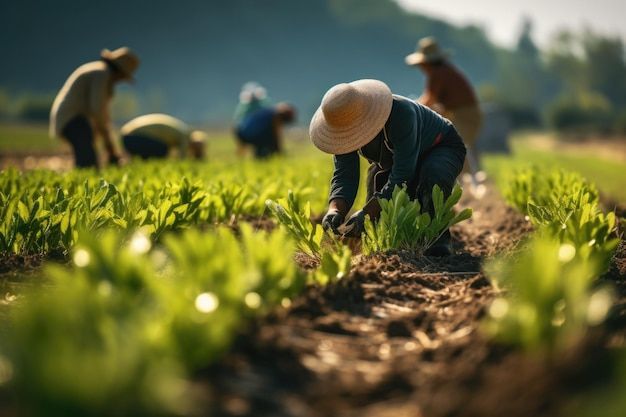
The regional funding gap extends across broader agricultural development programs as well. European Union members such as Greece offer direct payments reaching approximately one thousand euros per hectare of arable land, compared to roughly three hundred euros per hectare in Macedonia. Additionally, young farmers in Slovenia can access up to fifty thousand euros in non-repayable startup grants, whereas similar programs in Macedonia top out around ten thousand euros.
These structural funding differences are transforming regional trade dynamics. Over the past decade, neighboring Albania successfully shifted from a net food importer into a growing exporter of agricultural goods through targeted sector support. Domestic farming associations warn that without strategic policy reform and increased investment in local production, the region risks becoming increasingly dependent on foreign imports for basic agricultural commodities.