Montenegro is looking to attract new international investment into renewable energy as the country accelerates its transition toward a cleaner and more integrated energy system. Energy and Mining Minister Admir Šahmanović said Montenegro is ready to cooperate with foreign partners and bring new technologies, expertise and investment into a sector that the government sees as increasingly important for the country’s economic development and European integration.
The issue was discussed during a meeting between Šahmanović and Denmark’s non resident Ambassador Pernille Daler Kardel, with talks focusing on renewable energy, energy efficiency and the wider green transition. Šahmanović presented recent reforms to Montenegro’s energy legislation, arguing that the country has moved closer to European standards and created a more predictable environment for potential investors.
The government’s message comes as Montenegro works to transform its energy sector while strengthening links with the European electricity market. In February 2026, Montenegro completed the legal changes needed to align with the EU’s Electricity Integration Package, a step that could eventually allow the country to participate in European electricity market coupling mechanisms even before it becomes an EU member. The Energy Community has described the next stage as moving from legal preparation toward implementation and deeper market integration.
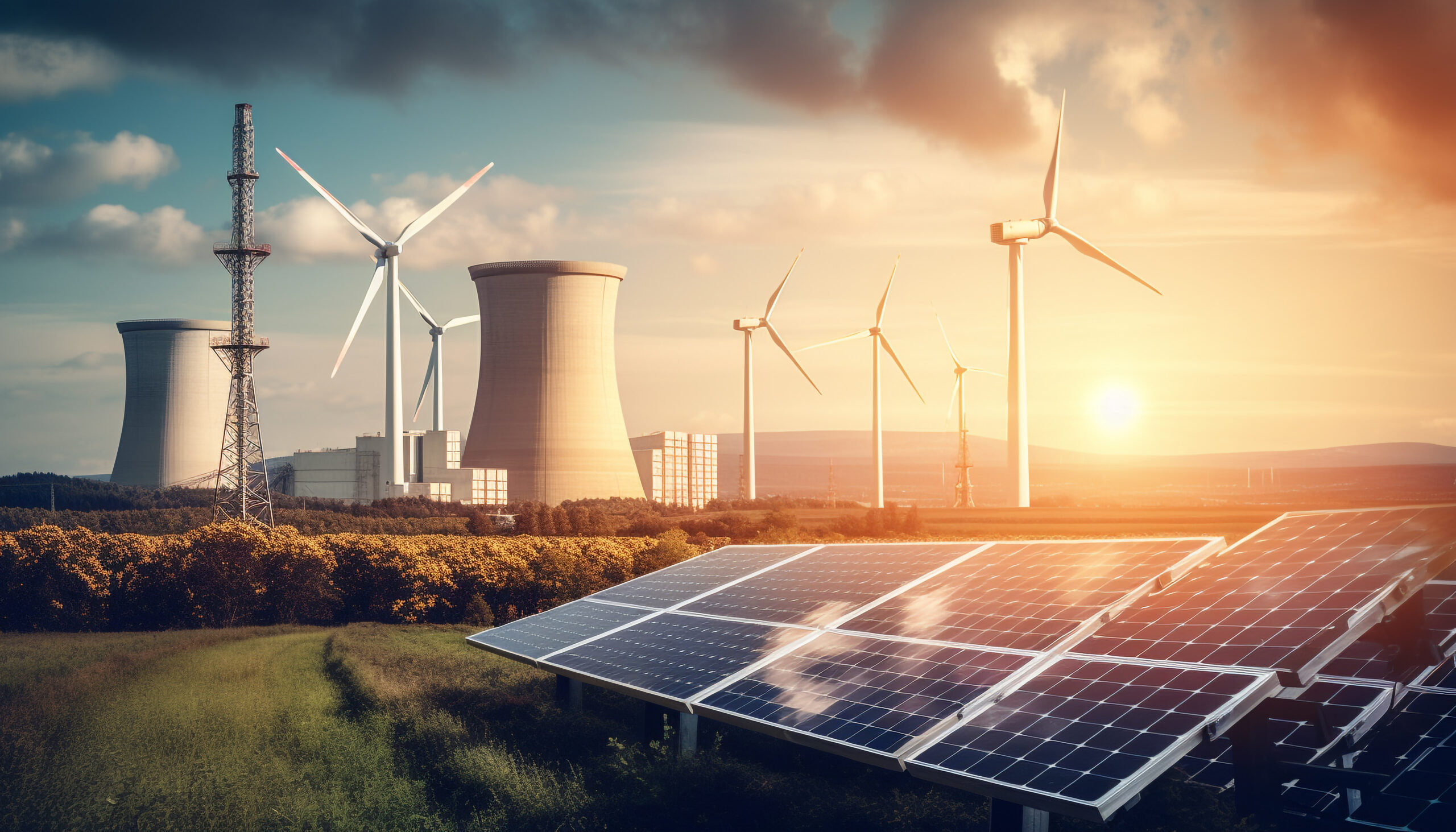
Renewable energy is at the center of that strategy. Montenegro already has a relatively high share of renewable sources in its energy mix, particularly because of hydropower, but experts and European institutions say the country needs greater diversification and faster development of new renewable capacity. The European Environment Agency has also highlighted the need for stronger investment and infrastructure while noting Montenegro’s continued dependence on fossil fuels, particularly coal fired generation.
Montenegro Looks to Denmark and International Investors
That is where Denmark could become an important partner. Denmark has extensive experience in wind energy and other clean technologies, and the talks explored possible connections between Montenegrin projects and Danish companies working on renewable generation, energy storage and smart energy systems. The two sides also discussed the possibility of developing concrete cooperation models that could turn Montenegro’s renewable potential into new investment projects.
The interest from international investors is already becoming more visible. In February, the EU and the European Bank for Reconstruction and Development supported the creation of a renewable energy association in Montenegro designed to bring together existing and potential investors and improve cooperation between the public sector and renewable energy companies. The initiative reflects growing efforts to create clearer rules and make it easier for private capital to participate in the country’s green transition.
Montenegro is also exploring larger renewable projects beyond its cooperation with Denmark. Earlier this year, the state owned electricity company EPCG and UAE based Masdar began considering a joint venture focused on solar, wind, hydropower, battery storage and hybrid energy systems. Such projects could eventually help Montenegro meet domestic electricity needs while strengthening its ability to export clean power to neighboring markets.
The transition is not without challenges. Montenegro must expand its electricity infrastructure, attract sufficient private investment and ensure that new projects are developed efficiently and sustainably. The country also faces pressure to reduce its reliance on coal as European climate and trade rules become increasingly important for the Western Balkans. With the EU’s carbon border mechanism now affecting carbon intensive imports, accelerating the shift toward cleaner electricity is becoming an economic issue as well as an environmental one.
For Montenegro, the objective is therefore bigger than simply building more solar or wind facilities. The government wants to modernize the entire energy system, improve energy security, attract international expertise and bring the country closer to the European market. Cooperation with Denmark could provide valuable knowledge in areas where Montenegro is still developing its capabilities, particularly wind power, storage and smart grid technologies.
The latest talks show that Montenegro clean energy plans are becoming an important part of the country’s future development strategy. If Montenegro can turn its regulatory reforms and renewable potential into concrete projects, new partnerships could bring investment while supporting decarbonization and closer integration with Europe. The challenge now will be to move from political commitments and cooperation discussions to projects that deliver measurable benefits for Montenegro’s energy security, economy and consumers.