FIFA has given its 211 member associations until September 19 to decide whether to accept a controversial proposal that includes a one-time $20 million payment for every national federation. The FIFA $20 million proposal is part of a broader investment plan that could reshape how the FIFA World Cup and other major tournaments are commercially managed in the future.
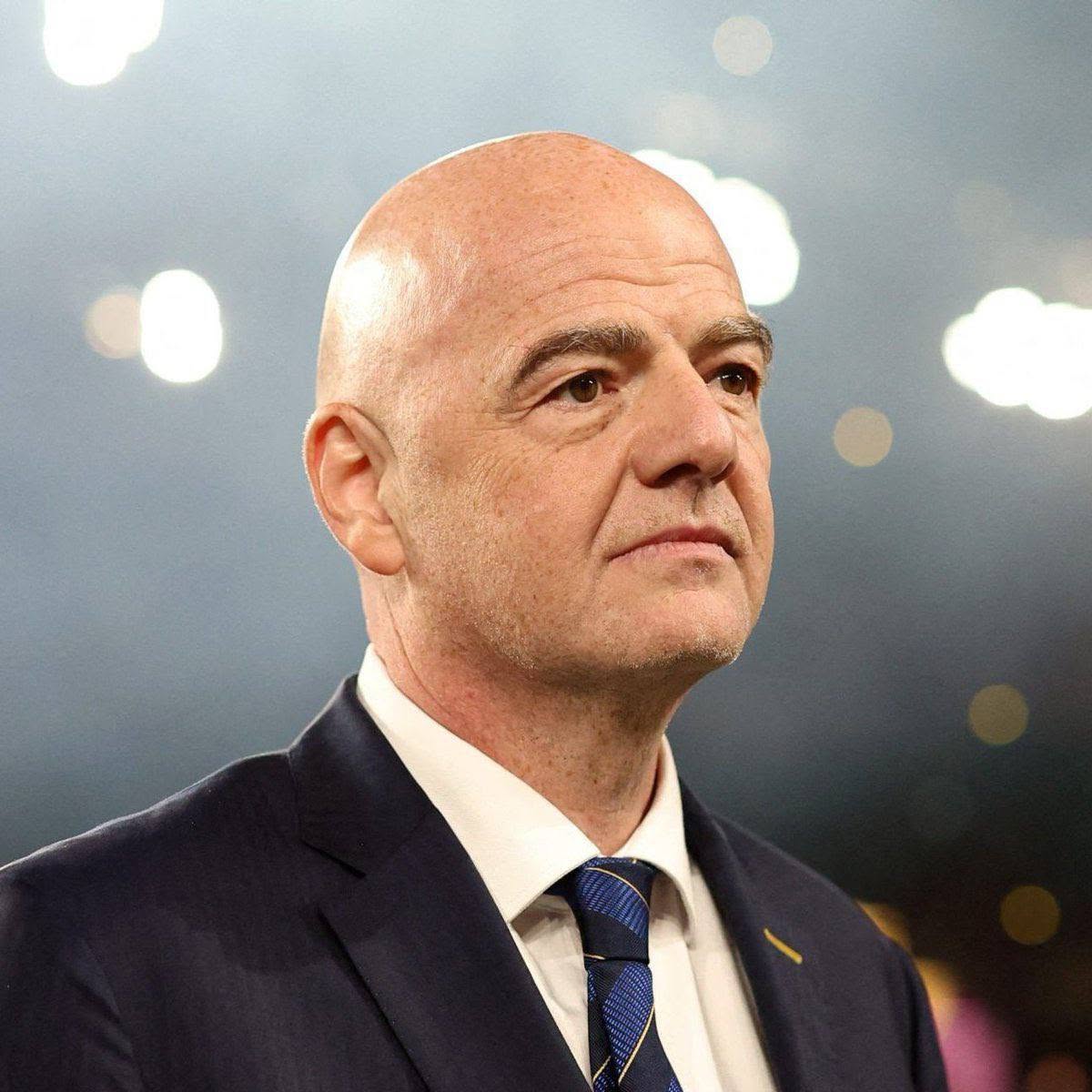
FIFA President Gianni Infantino says the initiative would provide national associations with significant new financial support while creating additional long-term funding for global soccer development. Under the proposal, FIFA would establish a new commercial entity to manage the business rights of the World Cup and other major competitions. Private investors would be allowed to purchase a minority stake in the company, generating billions of dollars that FIFA says would be reinvested into the sport.
Opposition From Football Organizations
If approved, every FIFA member association would receive a one-time payment of $20 million in addition to increased funding through FIFA’s existing development programs. Infantino has presented the plan as a way to strengthen football federations around the world and provide them with greater financial stability.
However, the FIFA $20 million proposal has faced strong criticism from several of football’s leading organizations. UEFA, CONCACAF, and other stakeholders argue that the proposal was introduced without sufficient consultation and have raised concerns about allowing private investors to gain influence over the commercial future of the world’s biggest football tournament. Critics also say the plan could significantly change the governance of international football and have called for greater transparency before member associations cast their votes.
September Vote Could Shape FIFA’s Future
With the September 19 deadline approaching, FIFA’s member associations must decide whether to support one of the organization’s most ambitious commercial projects. The outcome could influence how future World Cups are financed, managed, and commercially operated for years to come.
The decision is expected to have long-term implications not only for FIFA’s financial model but also for the balance between commercial investment and the governance of international football.