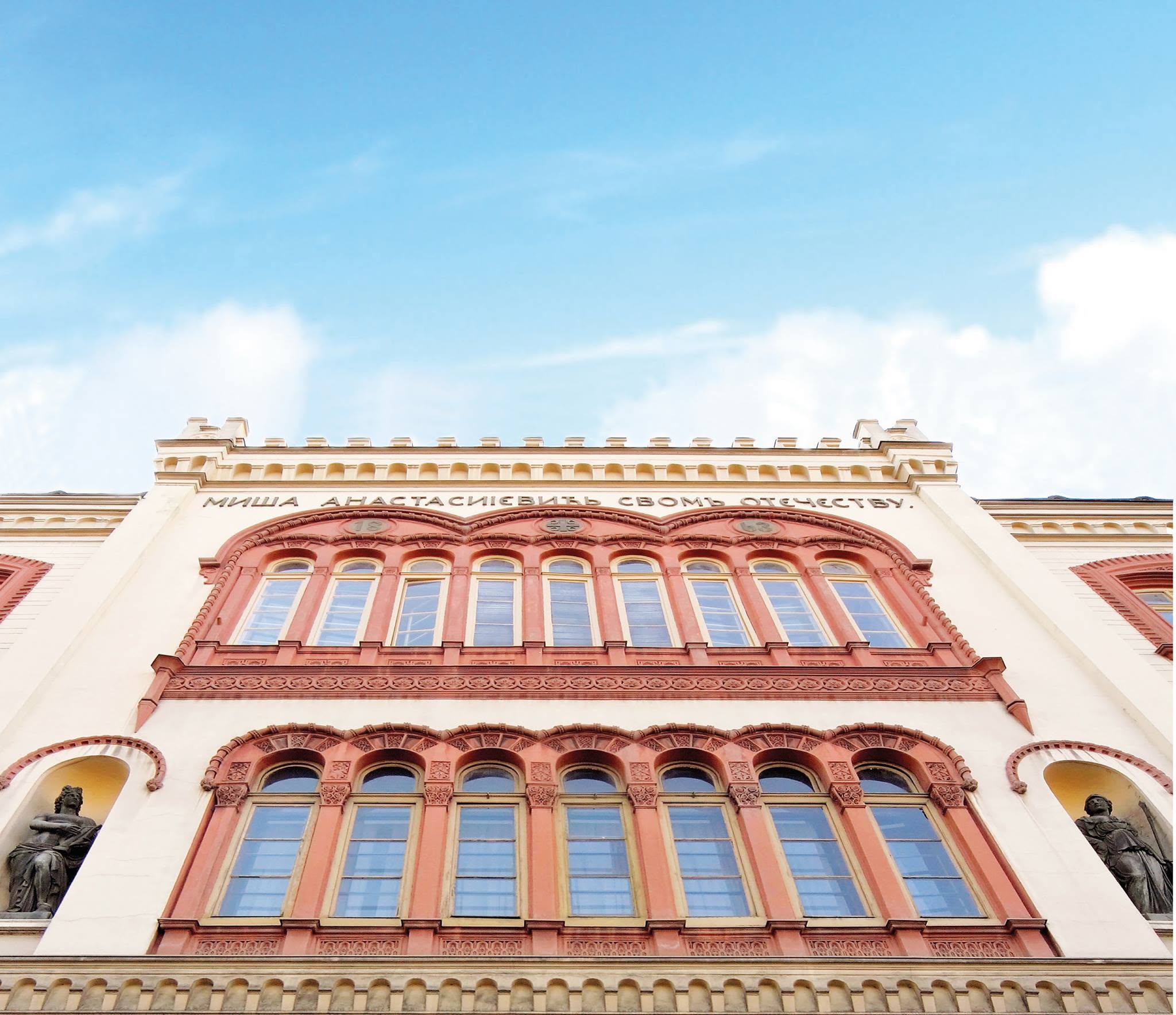
The University of Belgrade has fallen out of the world’s top 500 universities, with Serbia’s leading university now ranked between 501 and 600 in the 2026 Shanghai Ranking. The result has sparked a political dispute, with National Assembly President Ana Brnabić blaming Rector Vladan Đokić and prolonged student blockades for the decline. The university had previously been ranked between 401 and 500. Brnabić argued that the university effectively lost an academic year because of disruptions caused by the student protests. She said the latest ranking reflects the consequences of that disruption and criticized the university’s leadership. Her comments have added a political dimension to what is otherwise an international assessment of academic and research performance. The University of Belgrade remains Serbia’s highest ranked university. However, its movement out of the top 500 represents a notable setback.
The Shanghai Ranking is based heavily on scientific research rather than simply student performance or institutional popularity. Its methodology includes indicators such as research publications, citations, highly cited researchers and papers published in major scientific journals. Academic achievements also form part of the assessment. This means that the ranking reflects several dimensions of a university’s research performance. The methodology has therefore become an important part of the debate surrounding Belgrade University’s latest result. Critics of the government’s explanation argue that the ranking cannot automatically be linked to last year’s student blockades.
Research output and citation indicators generally develop over longer periods and can reflect trends that extend well beyond a single academic year. Students and academics involved in the protests have instead highlighted longer term concerns about research funding and the position of science in Serbia. They argue that structural issues should also be considered when assessing the university’s international performance. The decline is particularly significant when viewed over a longer period. The University of Belgrade was ranked in the 201 to 300 group around a decade ago. It subsequently remained among the world’s top 500 universities for four consecutive years. Its move into the 501 to 600 group therefore represents a substantial change from its earlier position. The latest result has renewed questions about the university’s ability to maintain its international research standing.
The dispute has also placed Rector Vladan Đokić at the center of the political controversy. Brnabić has directly connected the university’s leadership and the disruption caused by the blockades with the latest ranking. Critics, however, say assigning responsibility to one person or one period of disruption oversimplifies the factors that influence international university rankings. Research funding, scientific infrastructure, international cooperation and the ability to attract researchers can all influence long term performance. The controversy has consequently expanded into a broader debate about the future of the University of Belgrade and Serbian higher education. Government officials have focused on university management and the impact of student protests. Academics and students have emphasized research conditions and the longer term development of science. The disagreement reflects wider tensions over the direction of Serbia’s universities and scientific institutions.
For Belgrade University, the challenge now goes beyond the political argument. Returning to the world’s top 500 will require stronger performance across the indicators used by the Shanghai Ranking, particularly research output, citations and scientific impact. The latest result has put Serbia’s leading university back under intense national scrutiny. Whether the decline proves temporary or becomes part of a longer trend will depend largely on the university’s research performance in the years ahead.