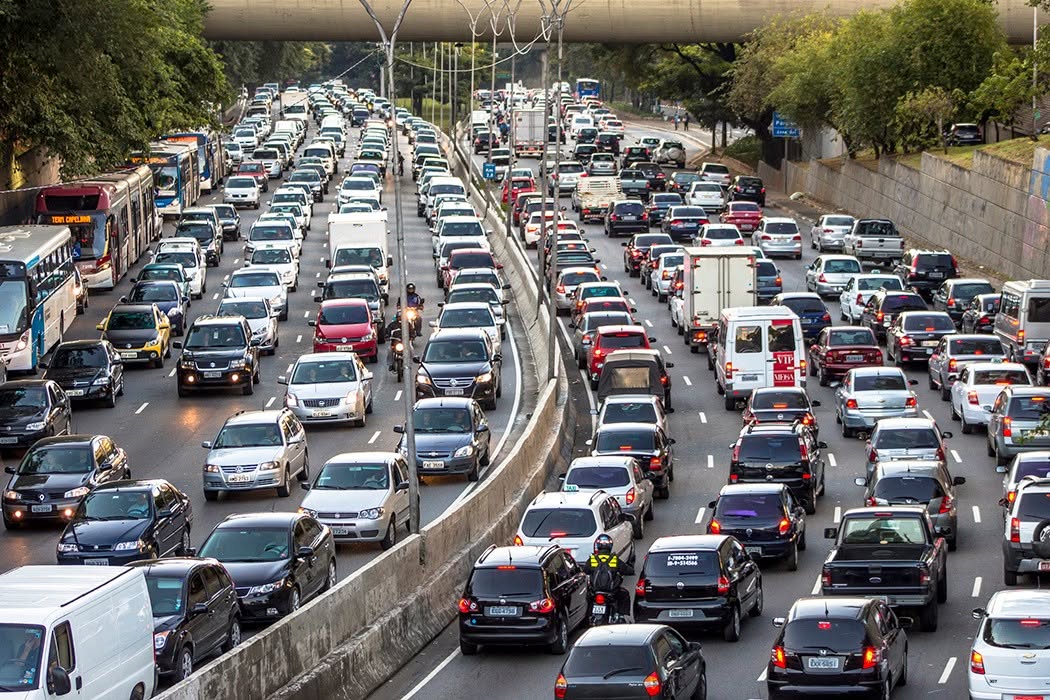
Serbia is preparing for a major change in public transportation as the winter timetable comes into effect on September 1, bringing more buses and other vehicles onto the streets but also the possibility of significantly heavier traffic. The change comes at the same time as students return to school and large numbers of people return to work after their summer holidays. In Belgrade, the public transport system has been operating under the summer timetable throughout August, but that arrangement ends on Monday, with the regular winter schedule returning from September 1. The change is expected to be felt immediately during the morning rush hour, when the combination of school traffic, commuters and increased public transport activity could create longer delays on some of the city’s busiest roads.
Under the new timetable, the number of GSP vehicles operating on city, suburban and local routes will increase. The return to the winter schedule is designed to accommodate the much larger number of passengers expected once schools and workplaces return to their normal routines. At the same time, some seasonal routes that operate during the summer period will be discontinued as the regular timetable comes back into force. For passengers, this should mean more frequent services on many routes, while drivers can expect more buses sharing already busy roads. The combination is likely to make the beginning of September particularly demanding for traffic in and around Belgrade.
The timing of the change is especially important because September 1 traditionally brings a sharp increase in movement throughout the city. Parents will be taking children to school, students will be returning to classes and employees who were away during the summer will be back on their regular schedules. This means that roads that were relatively quieter during the holiday period can quickly become congested again. Authorities and transport officials are therefore expecting drivers to be patient and allow additional time for their journeys, particularly during the morning and afternoon peaks. The increased number of public transport vehicles should improve capacity for passengers, but it can also contribute to slower traffic on heavily used streets.
The return of the winter timetable marks the unofficial end of the quieter summer period on Belgrade’s roads and the beginning of a much busier daily routine. For passengers, the additional vehicles should make public transportation more available as demand increases, while drivers will need to adjust to the return of school and workplace traffic. The first few days of September will likely provide a clear indication of how significant the traffic impact will be. For anyone travelling through Belgrade from September 1, the message is simple: leave earlier, expect more vehicles on the roads and be prepared for delays as the city returns to its full autumn rhythm.