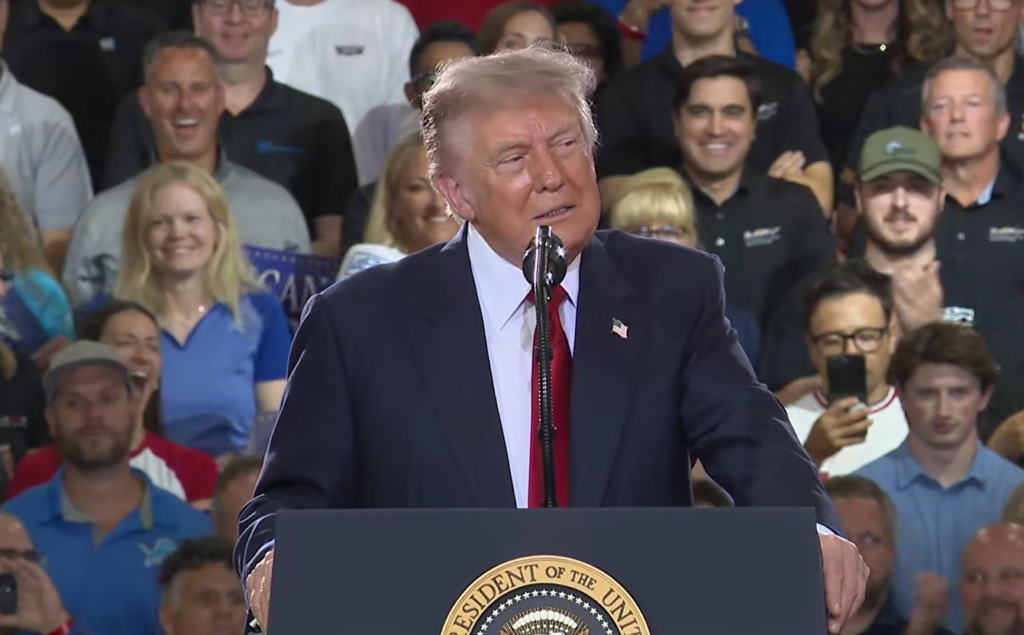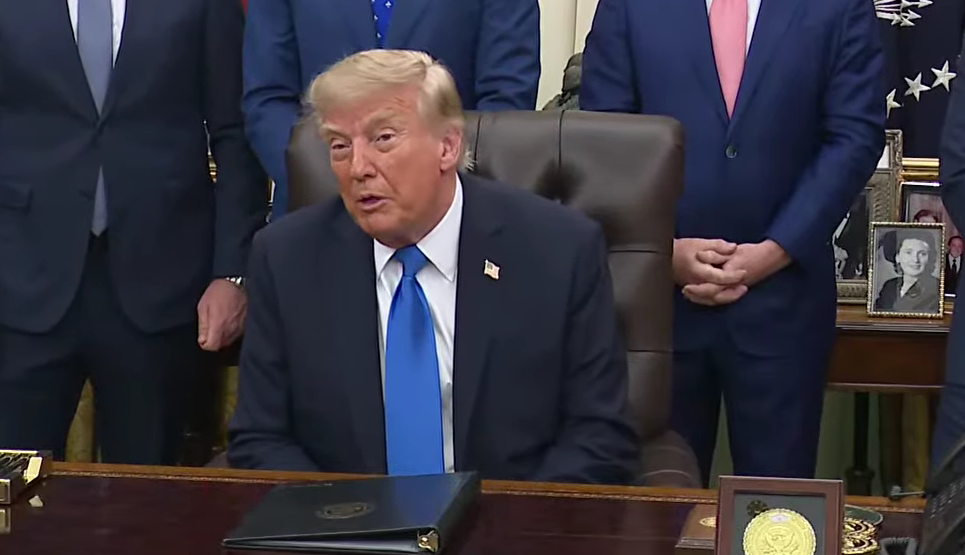
President Donald Trump signed a temporary funding bill into law on Wednesday, preventing a fourth government shutdown during his second term and keeping federal agencies operating through December 11. The measure cleared the House by a 370–48 vote and the Senate on August 8, extending current spending levels beyond the October 1 start of fiscal year 2027. The agreement gives Congress another 15 weeks to complete work on the 12 appropriations bills that fund federal agencies and programs, including homeland security, defense, housing and energy.
The stopgap agreement comes after 161 days of partial government shutdowns during Trump’s current term, driven by bitter partisan disputes over issues including health insurance subsidies and immigration enforcement. With another funding deadline approaching, lawmakers opted for a temporary solution rather than risk another disruption to federal operations.
The political calculation behind the government shutdown funding bill was straightforward. With control of Congress at stake in the November 3 midterm elections, neither Republicans nor Democrats wanted to give voters another shutdown while public frustration remains high over rising prices, the war with Iran and higher oil and gas costs. Tariffs have also placed additional pressure on American farmers and other sectors of the economy.
Since Trump returned to the White House, Washington has repeatedly faced funding crises. The first shutdown lasted from October 1 through November 12, 2025, as lawmakers fought over Affordable Care Act tax credits. A second partial closure followed in late January and early February, while a third shutdown affected the Department of Homeland Security from mid February through the end of April amid disputes over Immigration and Customs Enforcement funding.
Debt Crisis Remains Unresolved
The temporary funding agreement does little to address the country’s mounting fiscal challenges. The national debt crossed the $40 trillion threshold last month, highlighting the scale of the government’s borrowing and the growing cost of servicing that debt. The Committee for a Responsible Federal Budget has noted that gross federal debt has doubled over the past decade and quadrupled in less than two decades, while the Bipartisan Policy Center has warned that the current fiscal trajectory is unsustainable.
The government shutdown funding bill essentially freezes spending at existing levels and postpones major budget decisions until December. By then, the results of the midterm elections will determine which party has greater leverage in negotiations over full year government funding.
The delay also leaves major debates over defense priorities, domestic programs and emergency spending connected to the Iran war unresolved. Congress has not enacted any of the 12 regular appropriations bills for fiscal year 2027, meaning lawmakers will have to tackle the entire package later in the year.
For now, the White House and congressional leaders have prioritized stability over a permanent budget agreement, ensuring that federal workers remain on the job and government services continue through the election. However, the December deadline could produce another contentious funding battle, particularly if control of either chamber of Congress changes hands.
The temporary reprieve therefore prevents an immediate shutdown but does not resolve the underlying disagreements over federal spending. With the national debt continuing to rise and the appropriations process still unfinished, Washington faces another difficult fiscal showdown when lawmakers return to the budget negotiations in December.