The U.S. Justice Department has issued a sweeping legal opinion warning that states could risk billions of dollars in federal welfare funding unless state agencies report undocumented immigrants to the Department of Homeland Security. Released by the Office of Legal Counsel on Wednesday, the opinion withdraws a 1998 Clinton era interpretation that limited reporting obligations to agencies directly administering Temporary Assistance for Needy Families and Supplemental Security Income.
Under the new guidance, any state entity receiving federal TANF or SSI funds, including motor vehicle departments, public universities and health agencies, could be required to share information about individuals known to be unlawfully present. Deputy Assistant Attorney General Joshua Craddock warned that states that fail to comply could face serious consequences, including the loss of federal program funding.
The reinterpretation centers on the meaning of a single word in the 1996 Personal Responsibility and Work Opportunity Reconciliation Act. The 1998 opinion interpreted “State” narrowly, referring specifically to the agency administering a welfare program. The new analysis argues that Congress intended the term to cover the entire state government.
Because all 50 states, the District of Columbia and several territories participate in TANF and SSI, the potential requirement is effectively nationwide. Federal TANF grants exceed $16.5 billion annually, while federal SSI benefits surpass $60 billion. Although immigrants without legal status are already ineligible for both programs, the new guidance focuses on expanding the flow of information to immigration authorities.
The policy could affect state records ranging from driver’s license databases to university enrollment systems. At least 19 states and Washington, D.C., currently allow undocumented immigrants to obtain driver’s licenses, while many public universities enroll students without legal immigration status. Those agencies could therefore face new reporting obligations under the interpretation.
Administration Expands Immigration Enforcement
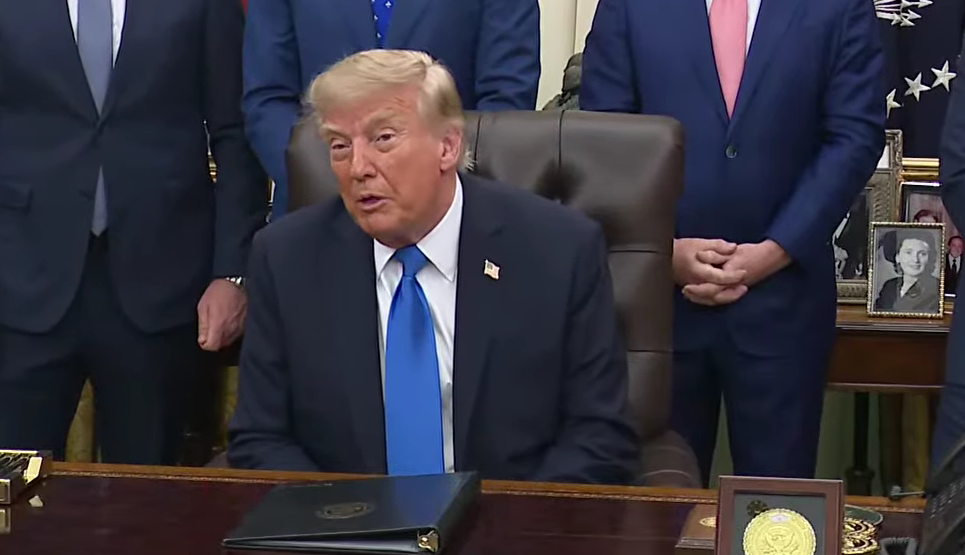
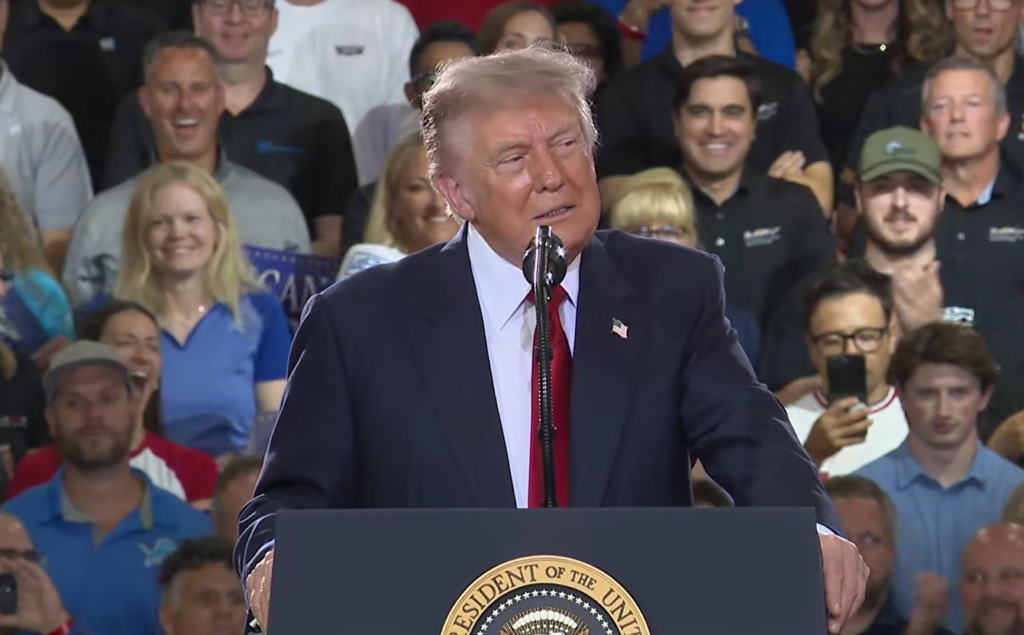
The DOJ welfare funding threat is the latest move in a broader administration effort to restrict immigrant access to public benefits and encourage greater cooperation between states and federal immigration authorities. Since taking office in January 2025, President Donald Trump has expanded expedited removal, ended temporary protected status for several countries and signed the One Big Beautiful Bill Act, which reduced access to Medicaid, SNAP and Affordable Care Act premium tax credits for many lawfully present immigrants.
The Department of Housing and Urban Development has also proposed restricting federally assisted housing for mixed status families. The DOJ opinion fits into that broader approach by using federal funding as leverage to encourage state agencies to assist with immigration enforcement.
Democratic led states are expected to challenge the interpretation in court. The legal disputes would build on earlier lawsuits involving federal access to personal information held by state agencies, including data connected to TANF recipients and Medicaid beneficiaries.
Legal and policy experts have also warned that the consequences could extend beyond undocumented immigrants. Because the interpretation reaches information held by a wide range of state agencies, advocates fear that immigrant families, including those with legal status, could become reluctant to use public services for which they are eligible.
The Brookings Institution has documented how multiple administration policies, including changes involving public benefits and immigration rules, can affect families with immigrant members and U.S. citizen children. Critics of the new guidance argue that the uncertainty surrounding reporting requirements could create a broader chilling effect on access to government services.
For now, the opinion applies prospectively, meaning states will not face retroactive penalties for relying on the 1998 interpretation. However, the administration plans to update TANF and SSI grant agreements to reflect the new standard, leaving states with a significant decision over whether to comply or risk losing federal funding.
The dispute could therefore become another major federal state confrontation over immigration policy. While the administration argues that stronger information sharing is necessary for enforcement, states and advocacy groups are likely to challenge whether the federal government can condition welfare funding on requirements extending beyond the agencies directly administering those programs.