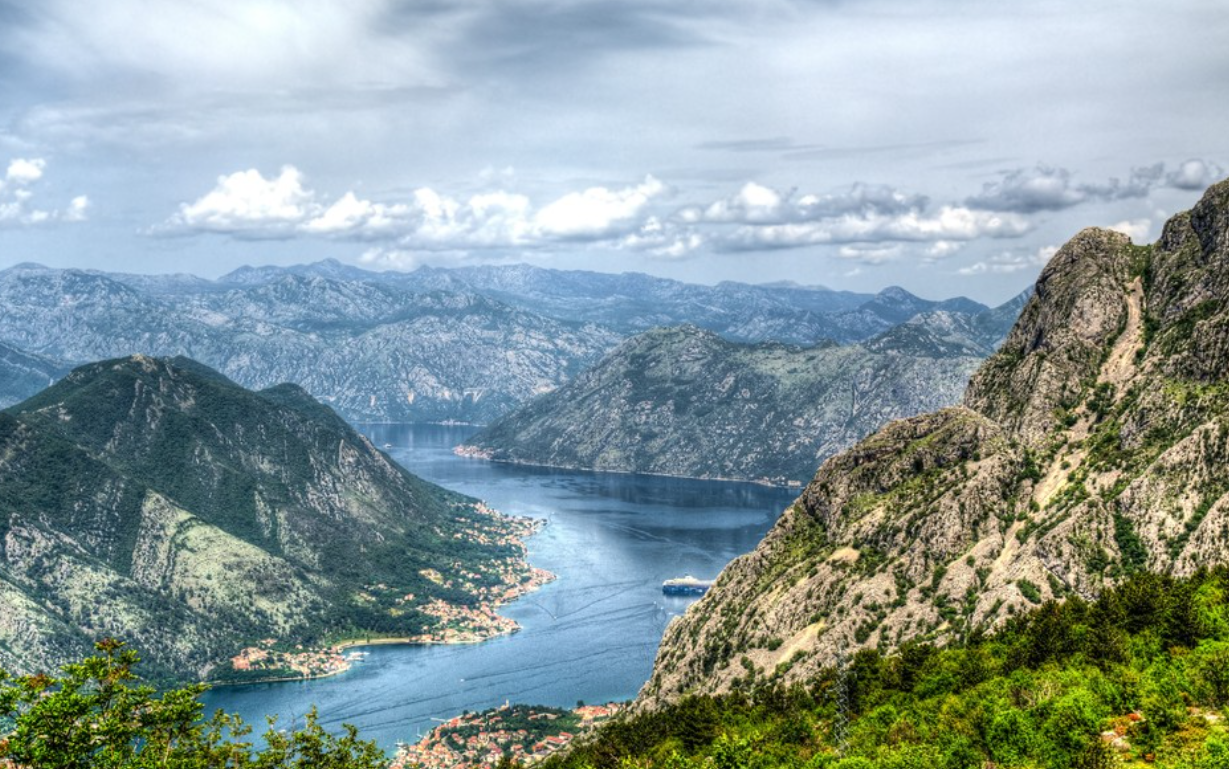
A forgotten chapter of Montenegro’s maritime history is returning to the spotlight with a new publication about the famous passenger ship Lovćen and its journey from Kotor toward Constanța. The book, titled “On the Balkan Route: With Lovćen from Kotor to Constanța,” brings together newspaper writings from 1938 by journalist and editor Anto N. Slovinić. It will be presented on September 11 at the Maritime Museum of Montenegro in Kotor as part of events marking the museum’s day.
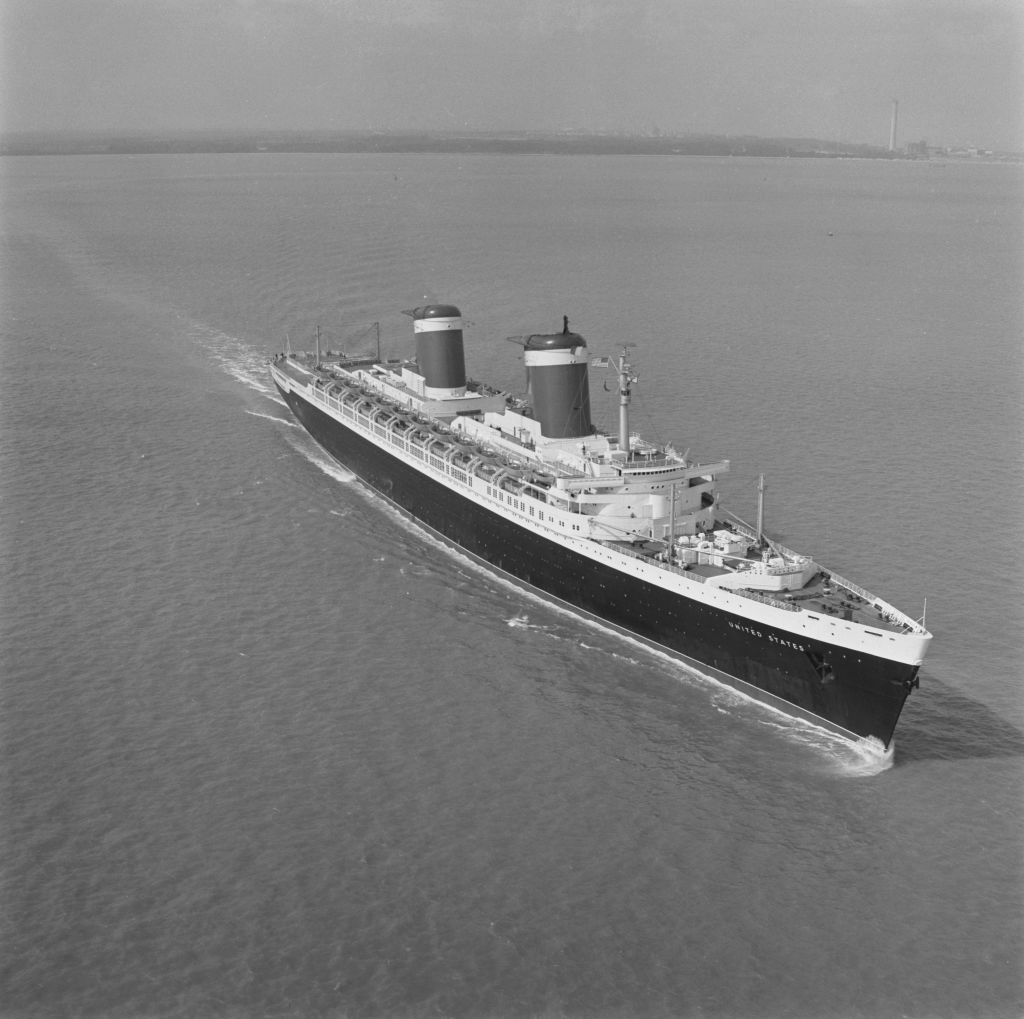
Lovćen was one of the most impressive passenger steamships owned by a maritime company from the Bay of Kotor during the period between the two world wars. The 4,000 ton passenger and cargo ship was purchased in the United States by Zetska Plovidba at the end of 1936. Its arrival significantly expanded the company’s operations, which had previously been focused mainly on the Adriatic Sea. The introduction of the so called Balkan Route opened a new connection between the Adriatic and the Black Sea and gave the company access to a much wider network of passengers and trade.
The ship operated once a month along a long international route that connected Venice, Sušak, Split, Dubrovnik, Kotor, Durrës, Patras, Smyrna, Istanbul and Constanța. A journey in one direction took seven days. The route quickly became important for both trade and tourism, helping support Yugoslavia’s import and export activity while also contributing to the financial success of Zetska Plovidba. At the time, maritime experts considered Lovćen one of the most elegant and visually attractive Yugoslav passenger steamships, and the vessel was reportedly well occupied during its years of successful operation.
The story of Lovćen changed as the threat of war approached. In 1940, Zetska Plovidba officially sold the ship abroad to a subsidiary company established in Panama in an attempt to protect it from the worsening situation. The vessel was later taken over by the United States Department of Defense. Today, the new publication serves as a historical tribute not only to Lovćen and Zetska Plovidba, but also to Anto N. Slovinić, whose writings provide a valuable firsthand record of a period when Boka Kotorska played an important role in regional maritime transport. The September 11 presentation in Kotor will bring together writer and academic painter Slobodan Bobo Slovinić, journalist and publicist Siniša Luković, museum adviser and editor Ilija Mlinarević, and Maritime Museum director Maja Uskoković.