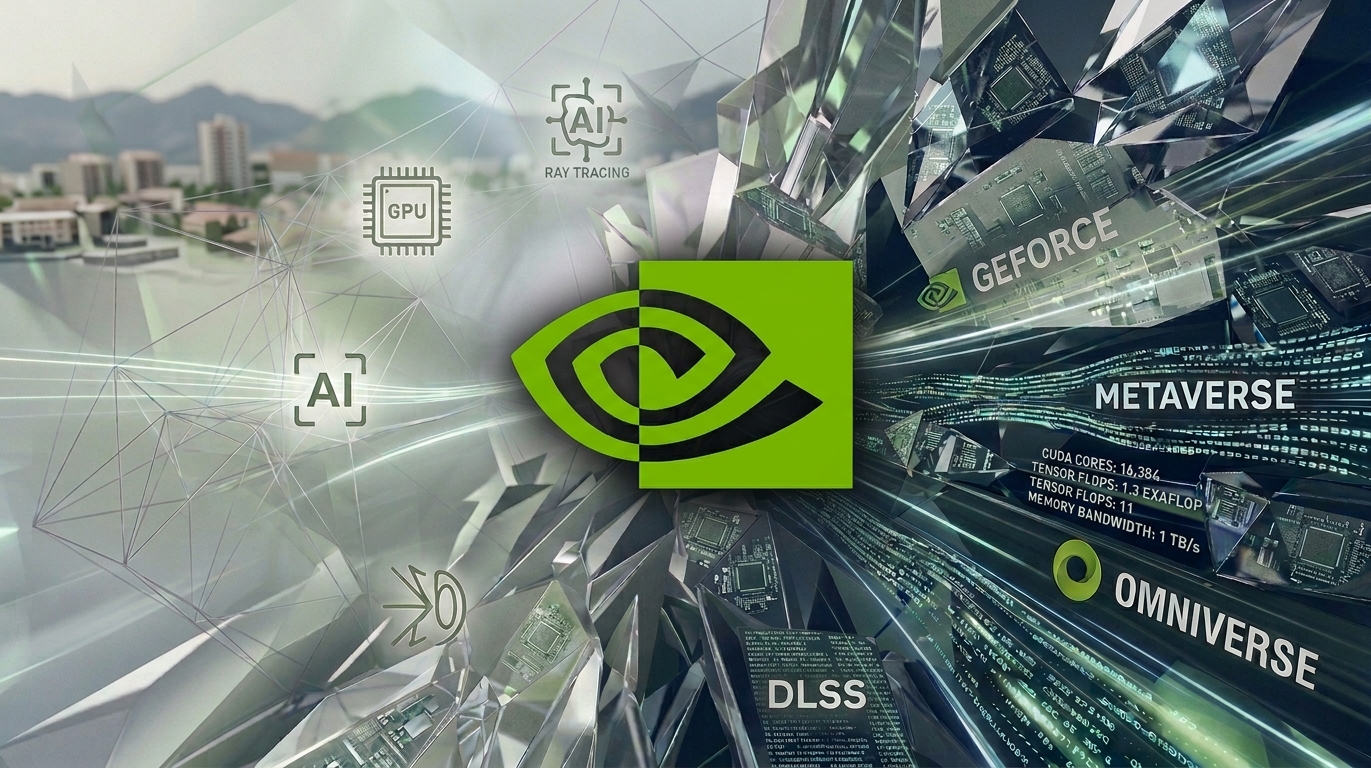
Nvidia is facing a new antitrust investigation in the United States after the Justice Department began examining its $17 billion licensing arrangement with AI chip startup Groq. According to reports , regulators are investigating whether the structure of the agreement was designed to avoid the level of antitrust scrutiny normally associated with a major acquisition. The inquiry adds another layer of regulatory pressure on Nvidia as the company continues expanding its influence across the rapidly growing artificial intelligence industry.
The agreement, announced in December 2025, was presented as a non exclusive technology licensing deal rather than a traditional acquisition. Under the arrangement, Nvidia obtained access to Groq’s inference technology, while several senior Groq executives, including founder Jonathan Ross and president Sunny Madra, joined Nvidia. Groq itself remained an independent company, with Simon Edwards becoming its chief executive and GroqCloud continuing to operate.
Nvidia Groq Deal Draws Justice Department Review
The structure of the Nvidia Groq deal is now at the center of the Justice Department’s questions. The agency reportedly began examining the arrangement shortly after it was announced and later sent Nvidia a formal request for information. The investigation is focused on whether the deal effectively gave Nvidia access to important technology and talent from a potential competitor without triggering the same regulatory review that a conventional acquisition could have faced.
The inquiry does not mean Nvidia has been found to have violated antitrust law, and regulators could ultimately decide to take no enforcement action. The case is nevertheless significant because Nvidia occupies an unusually powerful position in the AI hardware market, with its processors central to the development and operation of many advanced AI systems.
Nvidia has also expanded into software, networking, cloud infrastructure and other parts of the AI ecosystem. Its recent moves, including the acquisition of AI platform Hugging Face, have further highlighted concerns about how much influence the company could accumulate across the technology industry.
Groq’s technology is strategically important because the company specializes in AI inference, the stage where trained AI models process new requests and generate responses. Groq has continued operating independently following its agreement with Nvidia and has expanded its own business. In June, the company announced a $650 million funding round to expand its AI inference cloud, while in August it became an NVIDIA Cloud Partner, deepening the relationship between the two companies.
Nvidia has defended the arrangement, describing the Groq agreement as an example of the U.S. economic system encouraging innovation and rewarding entrepreneurs. The company has not indicated that it considers the licensing deal an acquisition. The Justice Department, meanwhile, has not publicly announced any conclusion regarding the investigation.
If regulators determine that Nvidia improperly structured the transaction, the company could potentially face financial penalties, although current reporting suggests that unwinding the agreement is considered unlikely. For now, the investigation remains ongoing and there is no finding that Nvidia acted unlawfully.
AI Competition Faces New Regulatory Test
The investigation comes as regulators increasingly examine how dominant technology companies interact with smaller AI startups. Traditional acquisitions are not the only way large companies can gain influence over emerging competitors. Licensing agreements, investments, partnerships and the recruitment of entire teams can also give established companies access to valuable technology and expertise, creating new questions for competition authorities.
For Nvidia, the Groq investigation could become an important test of how regulators approach deals in the rapidly evolving AI sector. The technology is developing much faster than traditional competition rules were designed to handle, while complex partnerships can blur the line between cooperation and consolidation.
The outcome could influence how similar agreements between major technology firms and AI startups are structured in the future. Regulators may face growing pressure to determine whether arrangements that formally preserve a startup’s independence can nevertheless give a dominant company significant control over its technology and talent.
For now, the scrutiny demonstrates that Nvidia’s growing role in the AI economy is attracting increasingly close attention from U.S. regulators. As competition in AI chips and inference technology becomes more important, the Nvidia Groq deal could help determine how aggressively authorities intervene when major AI companies seek to expand their technological and competitive reach.