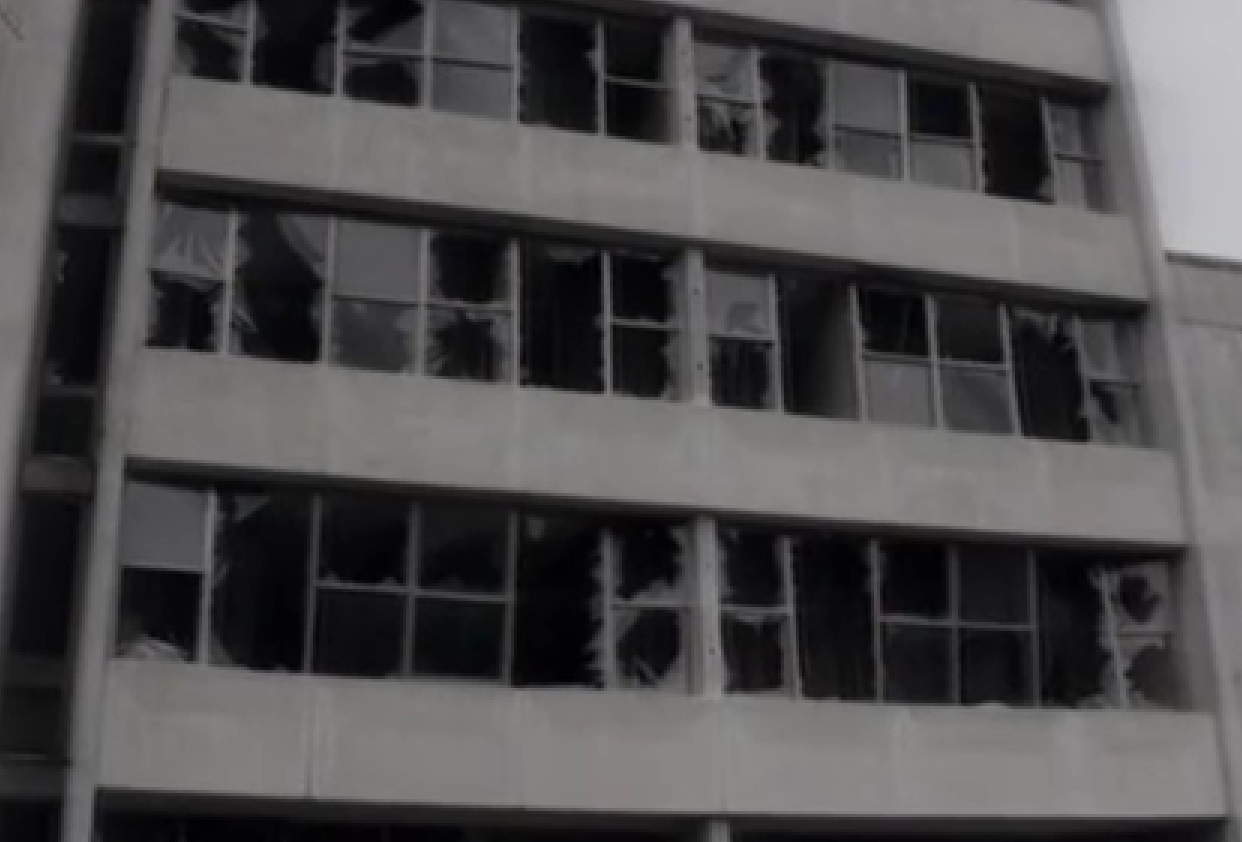
East Sarajevo has marked a Day of Remembrance for those killed and wounded during NATO’s 1995 air campaign against positions of the Army of Republika Srpska. According to figures presented by authorities in Republika Srpska, 47 soldiers and seven civilians were killed during the attacks between August 30 and September 14, 1995, while more than 100 soldiers and 20 civilians were wounded. Memorial events were held as officials and families remembered the victims and emphasized the importance of preserving their memory.
The NATO operation, known as Operation Deliberate Force, represented one of the Alliance’s most significant military interventions during the Bosnian War. NATO says the campaign was triggered by the August 28, 1995 shelling of Sarajevo’s Markale market, which killed and wounded civilians amid continuing attacks on the city. NATO began air strikes on August 30, with the campaign eventually involving thousands of sorties and hundreds of targets before the bombing ended in September.
East Sarajevo Remembers 1995 NATO Bombing Victims
The events surrounding Markale remain an important part of the historical and political debate over the NATO intervention. International Tribunal proceedings later concluded that the August 28, 1995 attack on Markale was carried out from territory controlled by the Sarajevo-Romanija Corps of the Bosnian Serb forces. The International Criminal Tribunal for the former Yugoslavia also documented a broader campaign of attacks against Sarajevo’s civilian population during the war.
For Republika Srpska officials and communities, however, the annual remembrance focuses on the people killed during the subsequent NATO strikes. Memorial ceremonies in East Sarajevo have become an opportunity for families, veterans and political representatives to pay tribute to those who died and emphasize that their suffering should remain part of the historical record.
This year’s commemoration again centered on the idea that remembering wartime victims is a long term responsibility rather than an event limited to a single anniversary. For families, the ceremony provides an opportunity to preserve the stories of those who were killed and to pass their memories on to future generations.
The NATO campaign also had a broader military and political impact on the final phase of the Bosnian War. NATO has described Operation Deliberate Force as an effort aimed at reducing attacks against designated UN safe areas and compelling Bosnian Serb forces to comply with international demands. The operation was coordinated with the United Nations and followed years of fighting and international diplomatic efforts to end the conflict.
Legacy of the Bosnian War Remains Deeply Sensitive
The historical assessment of the war cannot be separated from the suffering of civilians across Bosnia and Herzegovina. The ICTY established through multiple cases that civilians in Sarajevo were subjected to sustained shelling and sniper attacks by Bosnian Serb forces, while several senior Bosnian Serb military and political figures were convicted for crimes committed during the conflict.
These judicial findings form an important part of the international record alongside the continuing remembrance of victims of NATO’s intervention. The anniversary therefore carries different meanings for different communities, with Republika Srpska focusing on those killed during the NATO strikes while the wider region continues to grapple with the legacy of the war.
More broadly, the events of 1995 remain part of the unresolved historical memory of the Bosnian War, when civilians and soldiers from different communities suffered enormous losses and the international community became increasingly involved in the conflict. Different communities continue to remember the period through their own experiences and interpretations.
For families in East Sarajevo, the annual commemoration is ultimately about remembering those who never returned home. The ceremony also reflects the continuing importance of documenting the experiences of wartime victims and preserving historical memory.
More than three decades after the beginning of the Bosnian War, the legacy of the conflict remains deeply sensitive. Balanced historical documentation and remembrance remain important for understanding the region’s past and the experiences of the people affected by the events of the 1990s.