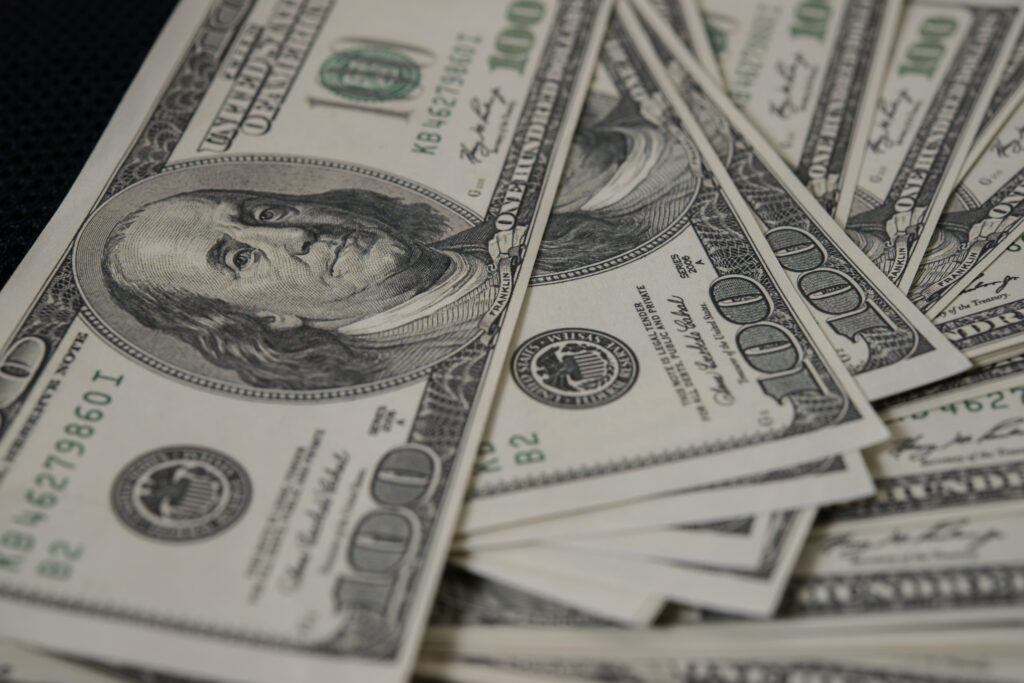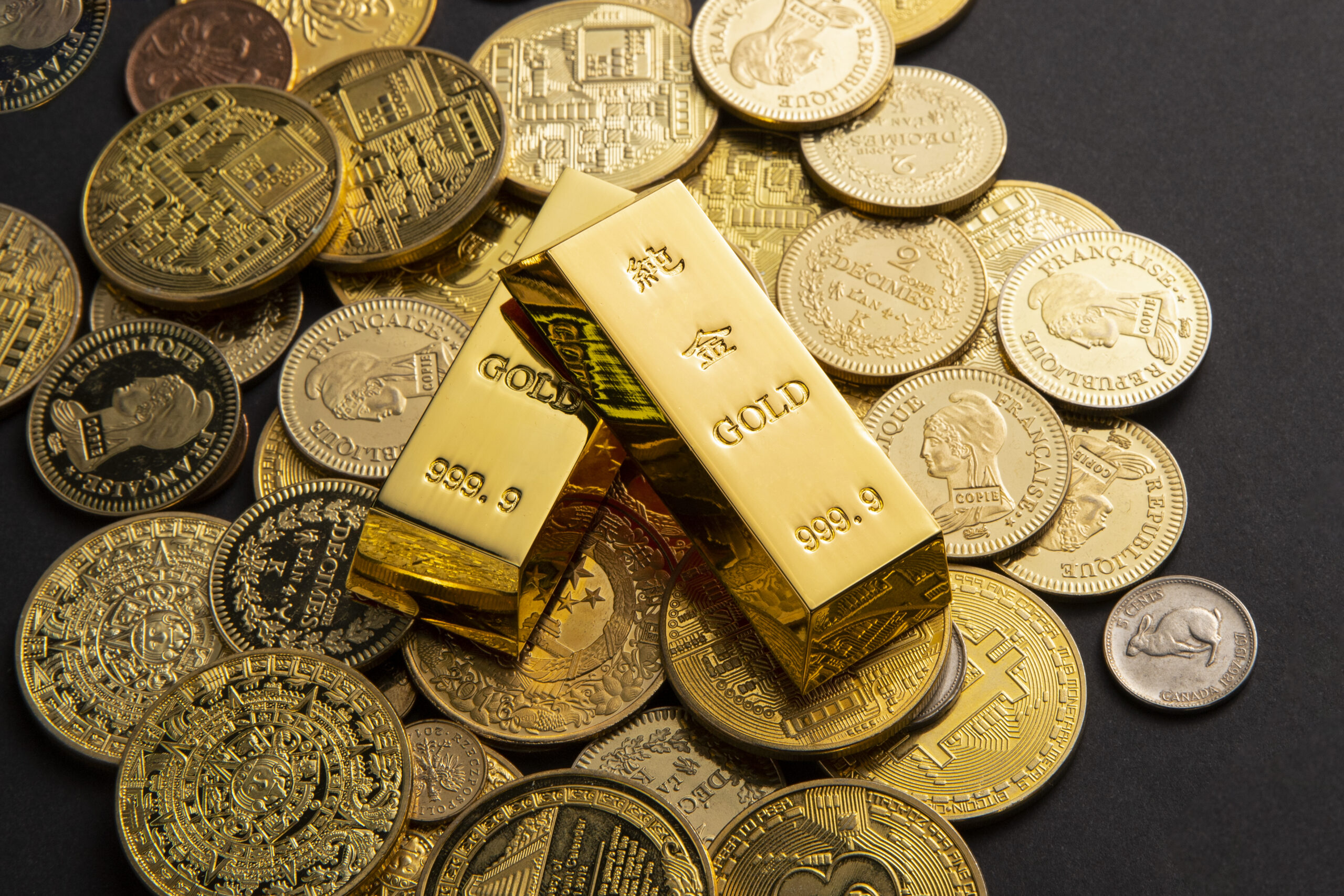
Gold and silver prices fell sharply on Monday, September 28, as rising oil prices, higher U.S. Treasury yields and growing expectations of another Federal Reserve interest-rate hike weighed on precious metals.
Spot gold fell around 3% to about $4,160 an ounce, reaching its lowest level since August 5, while silver declined roughly 4–5% to around $61–$62 an ounce during early U.S. trading.
The latest decline comes as markets reassess the outlook for U.S. monetary policy. The Federal Reserve raised its benchmark rate by 25 basis points earlier this month to a range of 3.75% to 4%, and traders are increasingly pricing in another hike in October. Reuters reported Monday that markets were pricing roughly a 66% chance of an October increase.
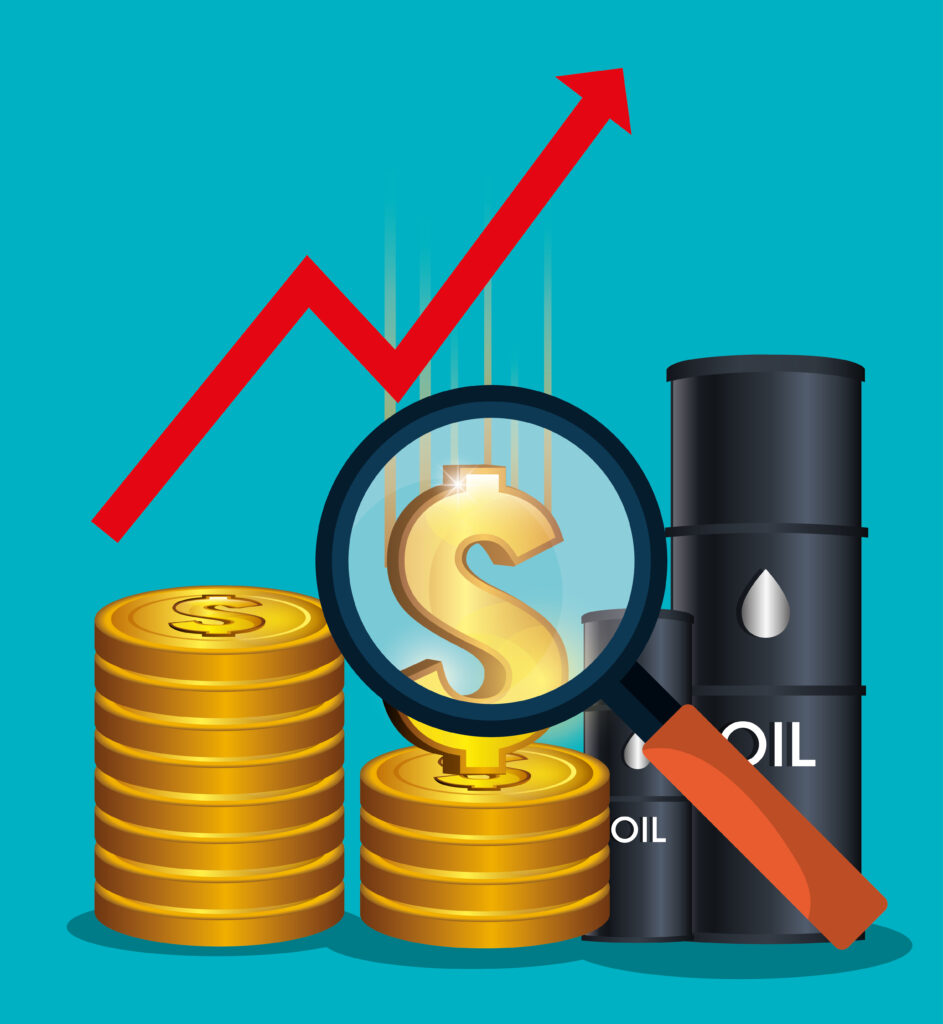
A major factor behind Monday’s sell-off is the renewed rise in oil prices amid uncertainty surrounding efforts to reopen the Strait of Hormuz. Higher energy prices can add to inflation, increasing pressure on the Federal Reserve to maintain or raise interest rates.
Higher interest rates and Treasury yields tend to make gold and silver less attractive because the metals do not generate interest income. The U.S. dollar has also strengthened, creating additional pressure because precious metals are priced in dollars.
The decline has been particularly pronounced in silver, which generally experiences larger price swings than gold. On Monday, silver was down more than 4% in early U.S. trading, compared with roughly 3% for gold.
Investors are now watching U.S. inflation and employment data, Treasury yields, oil prices and Federal Reserve signals for indications of whether the pressure on precious metals will continue