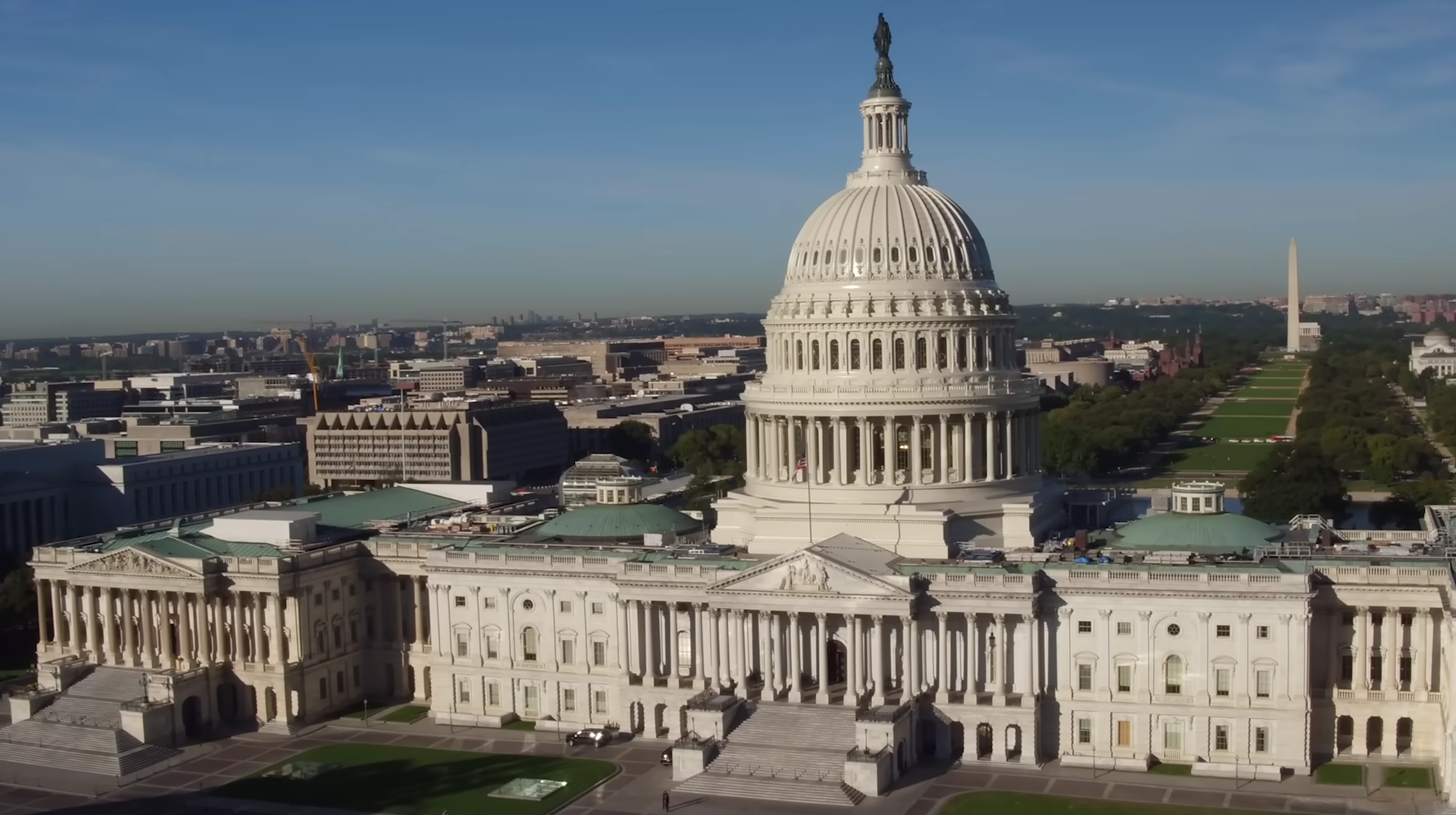
The U.S. Senate has blocked a Republican backed bill that sought to introduce new restrictions on stock trading by members of Congress, leaving another attempt at congressional ethics reform without a path forward ahead of the November midterm elections. The Stop Insider Trading Act received 53 votes in favor and 47 against on September 30, falling short of the 60 votes required to advance. Democrats opposed the measure, arguing that it did not go far enough to prevent potential conflicts of interest and included unrelated voter identification requirements.
The legislation had already passed the House of Representatives in July, with support from Republicans and a group of Democrats. Its failure in the Senate highlights continuing disagreements over how to regulate lawmakers’ financial activities and what additional restrictions should apply to elected officials. The vote also became part of the broader political debate ahead of the midterms, as both parties sought to present their positions on government accountability and public trust.
The Stop Insider Trading Act would have prohibited members of Congress, their spouses and dependent children from purchasing individual stocks in publicly traded companies while lawmakers were serving in office. However, the proposal would have allowed them to retain investments acquired before the restrictions took effect. It also included provisions permitting existing holdings to generate dividends and allowing family members to continue certain financial activities, limitations that became central to Democratic criticism.
Another major provision would have required lawmakers to provide advance public notice before selling existing stock holdings. Under the proposal, sales would generally have needed to be disclosed seven to 14 days in advance. Violations could have resulted in financial penalties, including a minimum fine or a percentage of the transaction’s value, alongside the return of any profits obtained through a prohibited trade.
Congressional Stock Trading Bill Faces Bipartisan Disagreement
Democrats argued that the restrictions would still leave important loopholes. They maintained that lawmakers could continue benefiting from investments accumulated while in office and that the bill did not sufficiently address the possibility of family members trading on behalf of elected officials. Some Democrats have called for a broader prohibition covering stock ownership and trading by members of Congress, the president and other senior government officials.
The legislation also became controversial because of a separate provision concerning voter identification. Republican lawmakers included language that would tighten photo ID requirements for voting in federal elections. Democrats objected to combining election rules with congressional stock trading restrictions, describing the voting provisions as a political addition unrelated to the bill’s central purpose. They warned that stricter identification requirements could create additional barriers for eligible voters, particularly those who face difficulties obtaining or presenting the required documents.
Republican leaders defended the legislation and criticized Democrats for blocking it. Senate Majority Leader John Thune argued that the bill addressed issues important to the public, including concerns about financial conflicts among elected officials. Republican supporters also emphasized that the measure had received bipartisan backing in the House and presented the Senate vote as a missed opportunity to advance reforms.
Senate Democratic Leader Chuck Schumer characterized the proposal as an effort to gain political advantage rather than deliver comprehensive ethics reform. Democrats said they were willing to support stronger restrictions but opposed advancing a bill they believed left too much room for lawmakers and their families to continue trading. The competing arguments illustrate how a widely recognized concern about congressional financial activity has become tied to disagreements over the scope and design of reform.
Public scrutiny of lawmakers’ stock transactions has continued for years. Members of Congress participate in drafting legislation, reviewing economic policy and making decisions that can affect individual companies and entire industries. At the same time, some lawmakers maintain substantial investment portfolios. Although existing laws prohibit insider trading, concerns persist about whether current disclosure and ethics rules are sufficient to prevent conflicts of interest or the appearance of preferential access to information.
A December study by the government accountability organization Common Cause found that members of Congress from both major parties completed 13,324 stock trades during 2025, with a combined reported value of approximately $635.6 million. The figures have contributed to ongoing discussions about whether elected officials should be allowed to trade individual company stocks while serving in public office. However, the number and value of transactions alone do not establish that lawmakers engaged in illegal activity.
Existing Ethics Rules and Future Reform Efforts
The existing legal framework includes the Stop Trading on Congressional Knowledge Act, commonly known as the STOCK Act, which was passed in 2012. The law reaffirmed that members of Congress and certain government employees are subject to insider trading prohibitions and introduced additional financial disclosure requirements. Critics have argued that compliance and enforcement remain uneven and that disclosure rules do not fully address the potential conflicts created by lawmakers holding individual stocks.
The latest Senate defeat follows earlier efforts to introduce stricter restrictions. Lawmakers from both parties have proposed different approaches, ranging from limits on new stock purchases to requirements that elected officials place assets in qualified blind trusts or divest certain holdings. These proposals have faced disagreements over their scope, enforcement mechanisms and whether they should apply to the executive branch as well as Congress.
The debate has also drawn attention to the financial disclosures of President Donald Trump. According to figures cited in the supplied report, Trump carried out approximately 21,000 securities transactions in 2025, while his investment accounts were valued at more than $850 million. Such disclosures have prompted questions about the financial activities of senior political figures, although transaction totals and account values do not, by themselves, demonstrate improper trading.
The Senate vote occurred amid a broader political environment shaped by economic concerns and the upcoming midterm elections. Republicans currently hold narrow majorities in both chambers of Congress, and control of the House and Senate will be contested on November 3. The stock trading legislation offered Republican leaders an opportunity to highlight their approach to ethics reform, while Democrats used the debate to emphasize their objections to the bill’s limitations and its voter ID provisions.
The measure’s defeat does not end the debate over congressional stock trading. Lawmakers could revisit the issue through a revised proposal focused exclusively on financial conflicts of interest or through a broader ethics package. Any future legislation would still need to resolve disagreements about existing investments, family members’ financial activities, disclosure requirements and the officials covered by the restrictions.
The outcome also underscores the difference between supporting the general idea of ethics reform and agreeing on a specific legislative solution. Both parties have publicly acknowledged concerns about the relationship between public office and personal investments, but they remain divided over the rules needed to address those concerns. The latest vote demonstrates that bipartisan interest in the issue has not yet produced sufficient agreement in the Senate.
For now, the Stop Insider Trading Act remains stalled, and no new restrictions will take effect as a result of the failed vote. The continuing debate reflects broader questions about transparency, accountability and public confidence in government institutions. Whether Congress can reach agreement on a more comprehensive approach will depend on future negotiations and the political priorities of lawmakers elected in November.