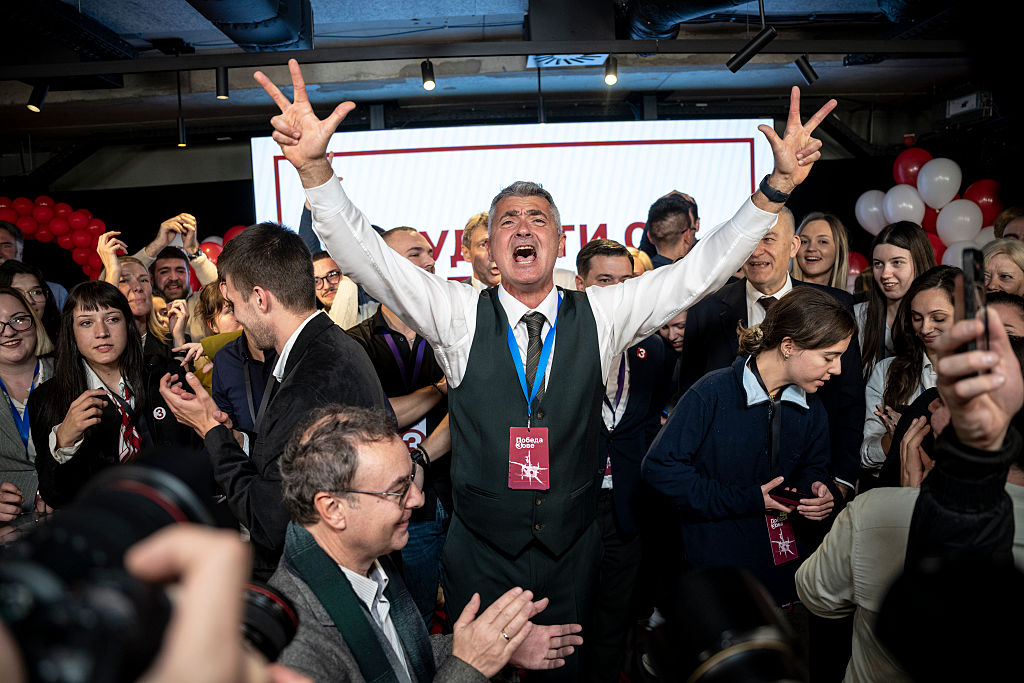
Bulgaria will not contribute to a proposed €70 billion European Union funding package for Ukraine, Prime Minister Rumen Radev announced Tuesday. His decision adds another disagreement to Europe’s ongoing debate over financing Ukraine’s defense against Russia.
Radev made the announcement on October 20 while speaking to reporters in Tvarditsa, Bulgaria.
The proposed funding follows a request from Ukrainian President Volodymyr Zelenskyy at a recent European Council summit. Kyiv is seeking additional financial assistance for its defense needs in 2027.
However, Radev said Bulgaria could not participate in the new initiative.
The prime minister argued that European countries already face significant economic pressure because of the war.
His comments come as EU governments discuss how to maintain long-term financial support for Ukraine.
Bulgaria Draws a Line on Additional EU Funding
The European Union previously approved a €90 billion loan for Ukraine covering 2026 and 2027.
Hungary, the Czech Republic and Slovakia negotiated exemptions from contributing to that arrangement. Bulgaria, however, participated in the earlier financing plan.
Now, Sofia is rejecting involvement in the additional €70 billion requested by Kyiv.
Radev questioned the financial demands facing European governments. He also warned that the continuing war was affecting economic conditions across the continent.
According to the Bulgarian prime minister, the conflict has contributed to social tensions and political instability.
He called for an end to the fighting as soon as possible.
Radev also argued that military measures alone would not resolve the conflict. Instead, he emphasized the need for diplomatic efforts.
His position reflects a longstanding disagreement within European politics over the balance between military assistance and negotiations.
Nevertheless, Bulgaria’s refusal concerns the proposed additional funding. It does not cancel the country’s participation in the earlier EU loan.
What Bulgaria’s Decision Means for EU Support
The announcement comes at a difficult moment for Ukraine’s financial planning.
Kyiv continues to depend on international assistance to support its defense and government spending during the Russian invasion.
Meanwhile, European leaders face questions about how to finance Ukraine’s needs in the coming year.
Some governments support continued financial and military assistance. They argue that sustained support strengthens Ukraine’s position in any future negotiations.
Others have raised concerns about national budgets and the economic consequences of prolonged spending.
Bulgaria’s decision highlights these differences.
The country is both an EU and NATO member. Its government has also faced domestic disagreements over relations with Russia and assistance to Ukraine.
Earlier in 2026, Radev’s government announced an end to further weapons donations from Bulgarian Army stocks. However, it said that decision did not stop other forms of support or the activities of Bulgaria’s defense industry.
The latest announcement concerns a separate financial question.
EU officials have not yet finalized the proposed additional €70 billion package. Therefore, Bulgaria’s refusal does not automatically prevent other member states from pursuing new assistance arrangements.
Still, the disagreement could complicate negotiations over how the financial burden should be shared.
For Ukraine, the timing of any agreement will matter alongside the total amount of assistance.
As discussions continue, European governments must determine whether they can reach a new funding arrangement despite their different positions.