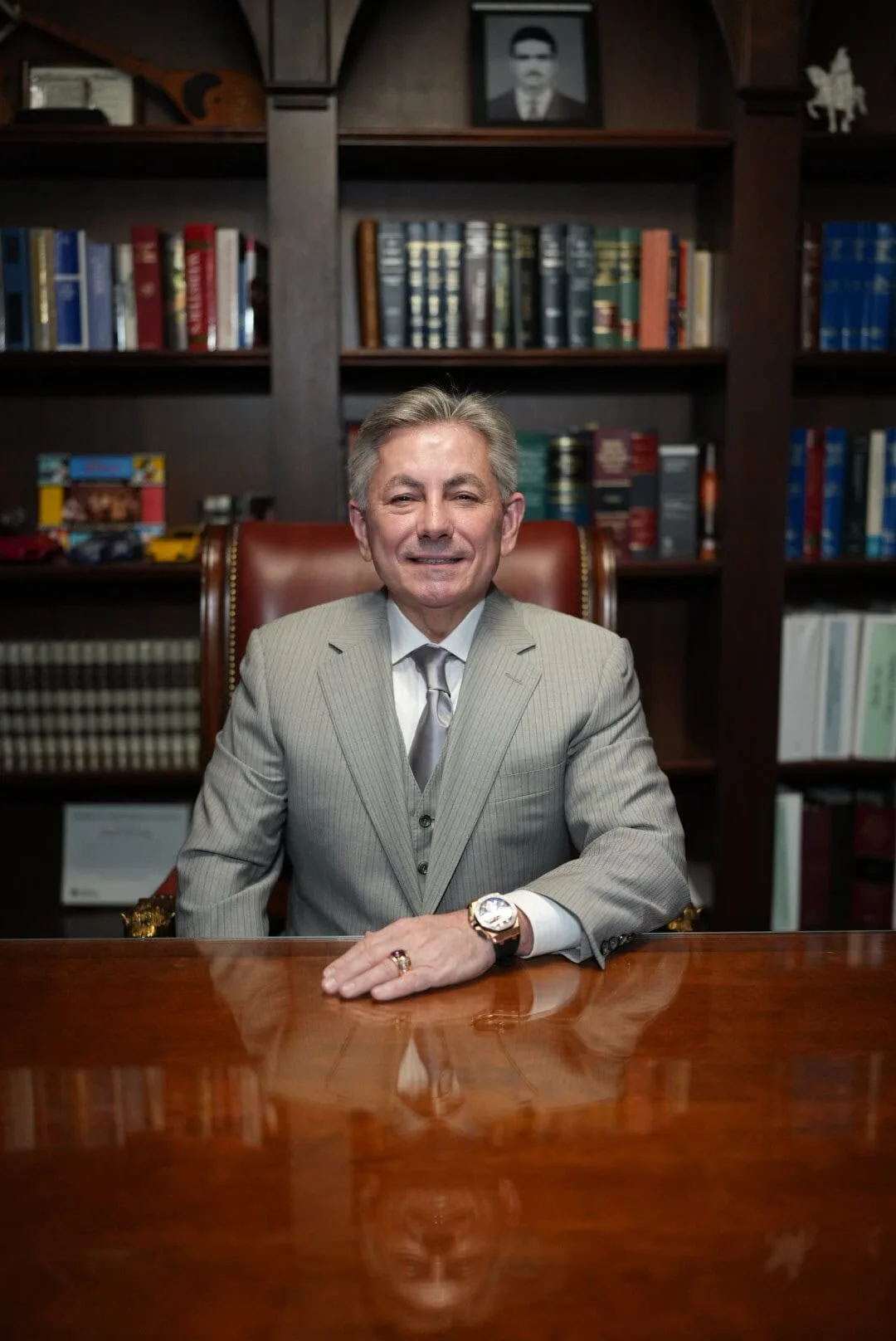
Michigan-based attorney Joseph Dedvukaj has declined Prime Minister Edi Rama’s request to consider serving in a consular capacity in Michigan and has called for the Albanian leader’s resignation, urging a peaceful, constitutional transition of power amid political tensions in Albania.
Prominent Albanian-American attorney Joseph Dedvukaj has publicly rejected a potential diplomatic role offered by Albanian Prime Minister Edi Rama, citing concerns about corruption allegations, reported police mistreatment of protesters, student demands and the need to restore public trust in government.
In an open letter dated October 21, 2026, Dedvukaj said Rama had asked him during a visit to his Michigan home on September 20 to consider serving Albania in a consular capacity. Although he initially agreed to consider the possibility, the attorney has now formally declined.
“I am grateful for your trust and honored by the request you made, but I respectfully decline,” Dedvukaj wrote, emphasizing that he was speaking as a private citizen concerned about Albania’s future rather than seeking political office or personal benefit.
The letter has attracted attention among Albanian-Americans and in Albanian media because Dedvukaj had previously hosted Rama and members of his delegation during the prime minister’s September visit to Michigan.
During that visit, Rama announced plans to open an Albanian consulate in Detroit in response to longstanding requests from the local Albanian-American community. Albania’s government said the new diplomatic presence would bring consular services closer to citizens and strengthen institutional, economic and trade ties.
From Hosting the Prime Minister to Rejecting His Offer
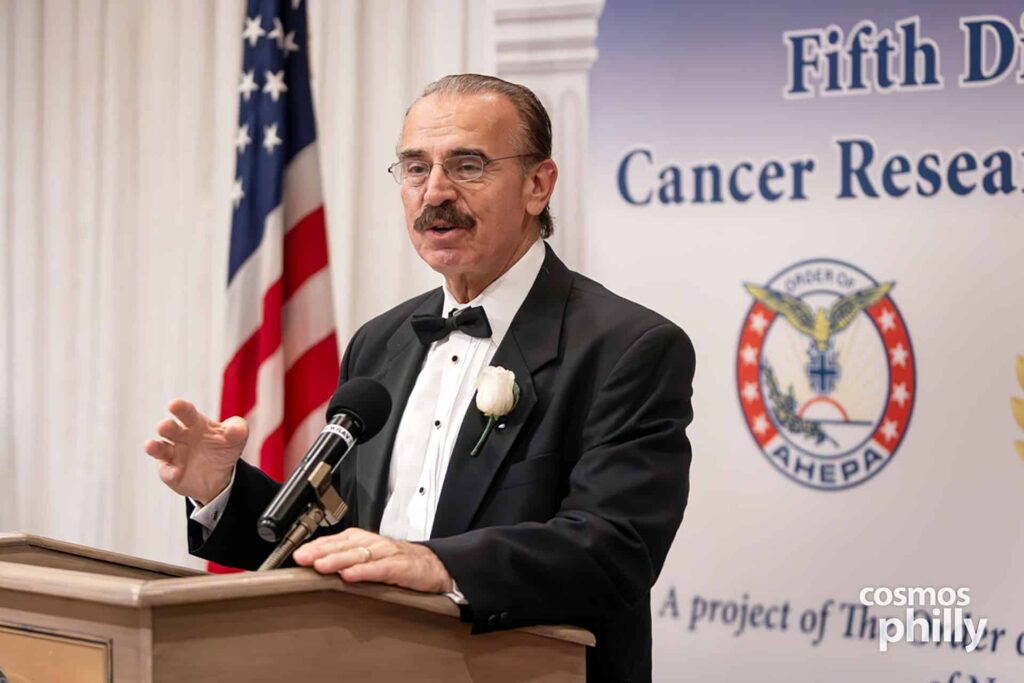
Dedvukaj, who has more than 30 years of experience as a personal injury attorney, is a prominent member of Michigan’s Albanian-American community. His legal practice has focused on automobile and truck accident cases, and his firm reports having secured hundreds of millions of dollars in compensation for clients.
His decision marks a change in tone following the September gathering at his home, which he previously described as an honor and an opportunity to celebrate his Albanian roots.
In his letter, Dedvukaj clarified that his hospitality toward Rama and respect for the institution of the prime minister did not mean that he would remain silent about concerns regarding Albania’s political situation.
“I write to you as an Albanian-American who has dedicated his life to serving the Albanian community in Michigan and supporting the Highlands region. I write to you as someone who wants to see Albania succeed,” he stated.
He argued that diplomatic positions should serve the interests of citizens and the wider diaspora rather than party political interests.
Dedvukaj Calls for Rama’s Resignation
Beyond declining the proposed consular role, Dedvukaj called on Rama to resign and initiate a peaceful transfer of power through Albania’s constitutional institutions.
His letter acknowledges that Rama’s Socialist Party won 83 of the 140 seats in parliament in the May 11, 2025, parliamentary elections. Dedvukaj stressed that the votes cast for the party must be respected and that elected leaders should not be forced from office simply because demonstrations become violent.
At the same time, he argued that an electoral mandate does not remove a prime minister’s responsibility to address serious concerns arising during a political crisis.
“Election victory does not solve all the governance issues that arise afterwards,” he wrote.
Dedvukaj called for credible, independent investigations into allegations of corruption involving senior officials and reports of unlawful police force against demonstrators. He also said student concerns about university costs and conditions deserved concrete answers.
He emphasized that both peaceful protest and constitutional governance must be protected, condemning violence against public institutions and police while calling for accountability where allegations of police misconduct are substantiated.
A Proposal for a Peaceful Political Transition
Dedvukaj argues that Rama’s resignation alone would not resolve Albania’s political challenges. He has called for a public agreement between the parliamentary majority and the opposition, with meaningful participation from peacefully protesting students and civil society.
His proposed framework includes a successor government capable of gaining broader public trust, measurable commitments to address student concerns, independent investigations into alleged abuses, institutional and electoral reforms, and greater transparency concerning major investments and coastal development projects.
He also called for a constitutional process to consider limiting the number of terms a prime minister may serve.
The attorney argues that any change of government must follow Albania’s constitutional procedures and preserve the parliamentary representation of voters.
“I ask you to help achieve this agreement and to resign as part of its implementation,” he wrote, describing such a move as an act of responsibility toward the country.
His position therefore combines a call for political change with an explicit rejection of violence as a means of forcing a government from power.
What the Decision Means for the Albanian Diaspora
Dedvukaj’s decision comes as Albania continues to face political tensions and demands for government accountability. His letter places particular emphasis on the relationship between the Albanian government and citizens living abroad.
For many members of the diaspora, the proposed consulate in Detroit represents an important step toward improving access to passports, civil documentation and other consular services without traveling long distances.
Rama’s September announcement was welcomed as a response to requests from the Albanian-American community in Michigan. However, Dedvukaj’s refusal highlights a distinction between supporting stronger diplomatic services for the community and accepting a position associated with the government.
His letter also calls for migration and residency policies based on clear legal standards, transparent oversight and respect for human rights, while protecting Albanian communities, their language and cultural heritage.
The proposed consular role remains distinct from the broader question of opening the Detroit consulate, which the Albanian government announced as an institutional initiative.
As of October 23, no official response from Rama’s government concerning Dedvukaj’s refusal had been reported in the cited coverage.
A Message Focused on Accountability and Albania’s Future
Dedvukaj concluded his letter by emphasizing Albania’s European aspirations and the importance of resolving political disagreements through democratic institutions.
He argued that a peaceful and constitutional transition, accompanied by credible reforms and greater public accountability, could strengthen the country’s European future.
His intervention brings together two issues affecting the Albanian community: the need for accessible consular services abroad and concerns over political developments at home.
For Dedvukaj, declining a possible official role is a personal decision grounded in his assessment of Albania’s current situation. His call for Rama’s resignation is accompanied by a broader proposal for political dialogue, independent investigations and institutional reform.
The letter adds another voice to the ongoing debate over government accountability, public trust and the relationship between Albania and its diaspora.