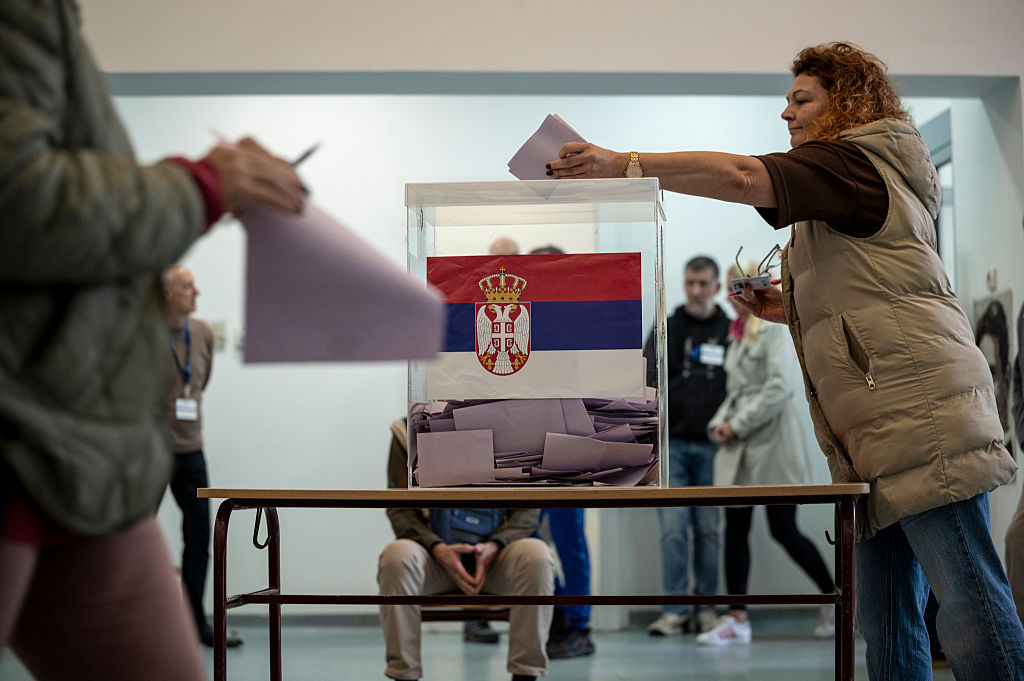
High turnout signals growing demand for change as security forces deploy in central Belgrade and allegations of electoral irregularities emerge.
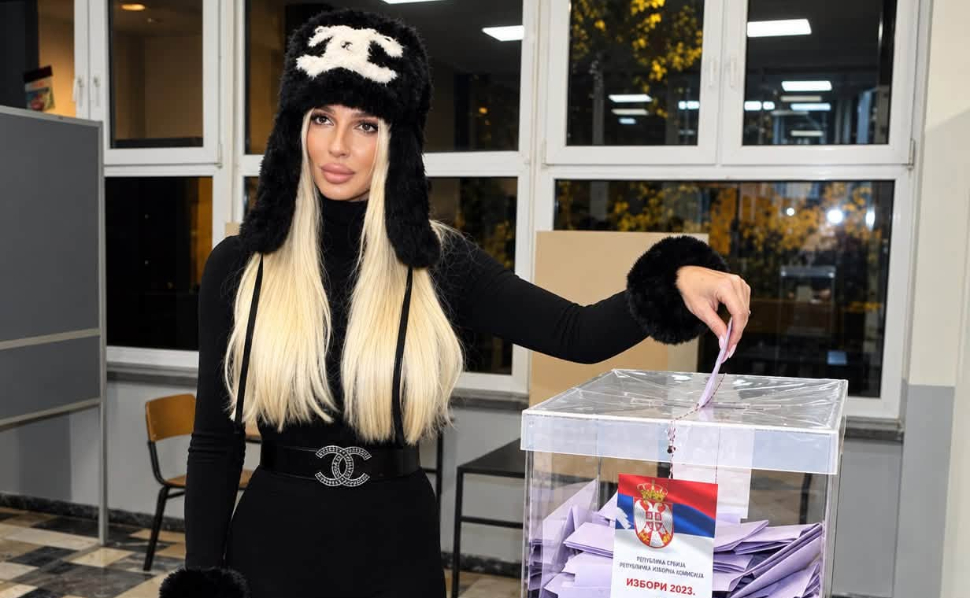
As voting continued in Serbia’s October 25, 2026, parliamentary elections, turnout climbed alongside political tensions, fueling optimism among opponents of President Aleksandar Vučić and his ruling Serbian Progressive Party (SNS).
Serbia’s parliamentary elections entered a tense late-afternoon phase on Sunday, October 25, with turnout reaching approximately 60.8% to 60.9% by 5 p.m., according to estimates from the independent election monitoring organization CeSID, based on a sample of 750 polling stations.
In Belgrade, the atmosphere among opposition supporters appeared increasingly celebratory, with some anticipating street celebrations once polling stations close. Whether that optimism proves justified will depend on the election results, with initial projections expected later in the evening.
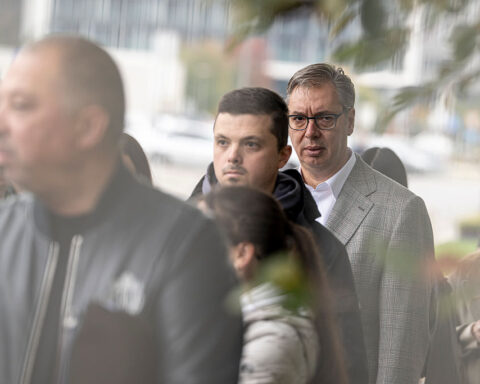
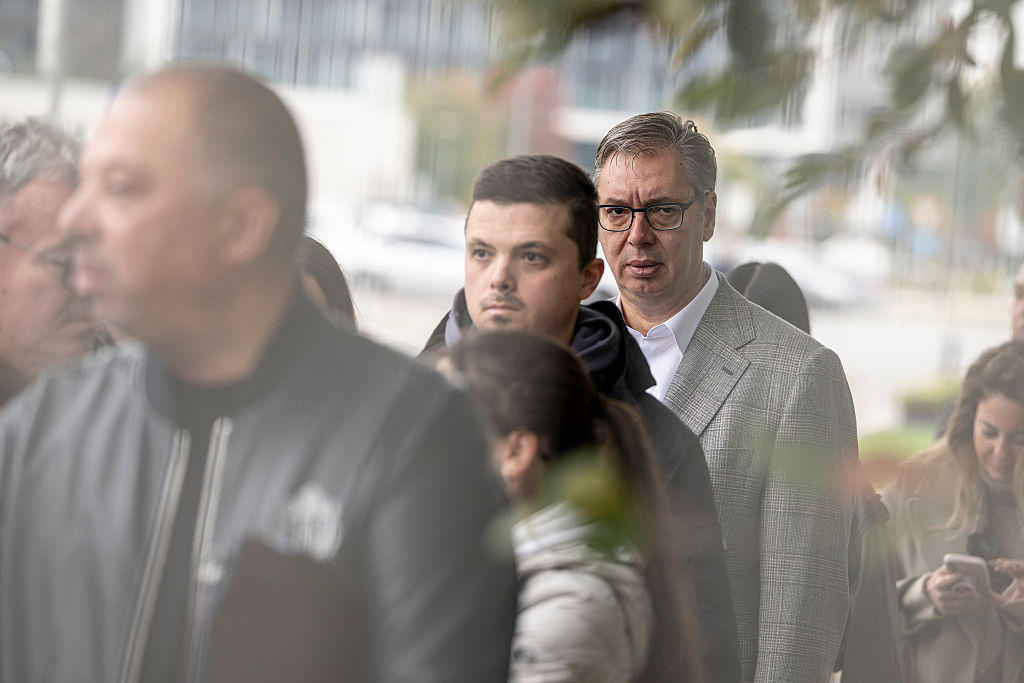
Long lines formed outside polling stations even before voting began, and participation was particularly strong in major cities. Novi Sad reported turnout of 49.31% by 5 p.m., while Niš reached 50.94%. In the Belgrade region, turnout stood at approximately 47%.
Alongside the high turnout, election observers have raised concerns about the conduct of voting. According to CRTA, its observers recorded pressure on voters, election board members and observers at 29% of polling stations. Procedural violations were reported at 18%, while irregularities affecting the integrity of voting were identified at 17%.
Among the most frequently reported problems was the photographing of ballot papers, observed at approximately 40% of polling stations monitored by CRTA. Observers also reported failures to use ultraviolet lamps to verify voters and instances of voting without valid identification documents.
The high participation has raised hopes among opposition supporters that voters could deliver a significant political shift. However, turnout alone does not determine the outcome, and the final result will depend on how votes are distributed among the competing parties.
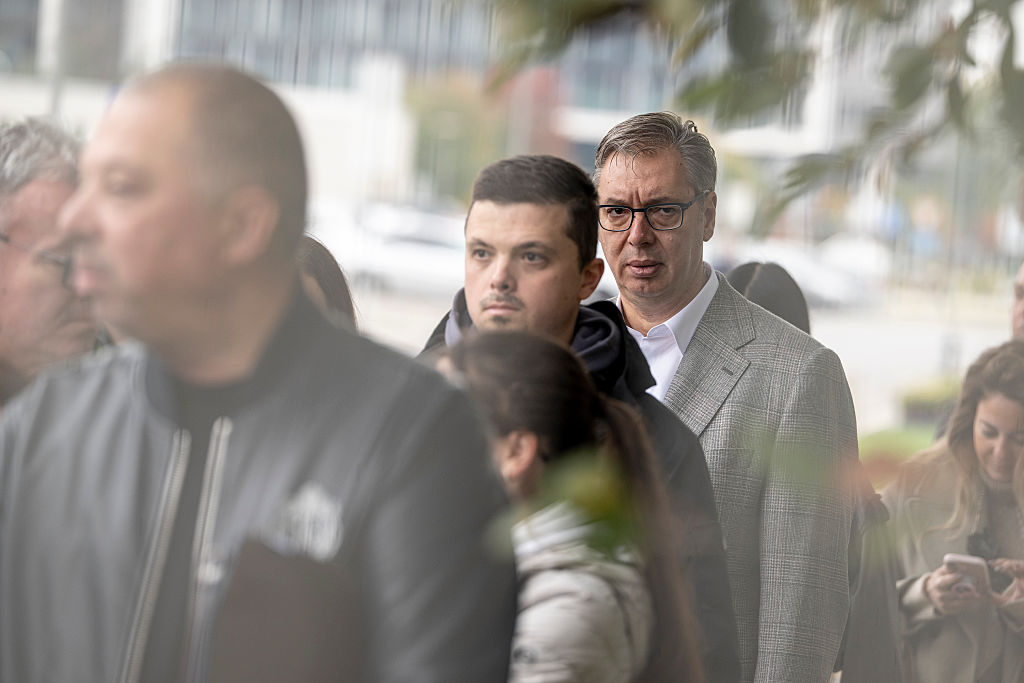
Reports of Incidents and Electoral Irregularities
The election has also been marked by reports of incidents and alleged irregularities at polling locations across the country. According to the reports cited during the day, approximately 200 irregularities had been reported.
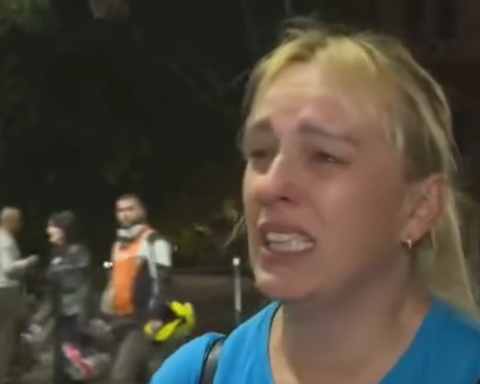
In Pančevo, young people were reportedly assaulted outside a polling station. In Belgrade, a woman was allegedly attacked at a polling location and transported by ambulance for medical attention.
Authorities also deployed gendarmerie forces in central Belgrade, while a street in front of the Republic Electoral Commission was closed.
Meanwhile, the Serbian Progressive Party reportedly denied accreditation to journalists from N1, Nova, Danas and Radar who sought to cover the announcement of results at the party’s headquarters. The decision raised further concerns about media access and transparency during election night.
With turnout high and tensions mounting, the election has become a closely watched test of public support for Vučić and the ruling party. The results will determine whether the opposition’s optimism translates into a meaningful political breakthrough.
Serbian diaspora votes in the United States, Canada and worldwide
For Serbian citizens living abroad, the Republic Electoral Commission approved 93 polling stations in 37 countries for the October 25 election.
In the United States, polling locations were established in:
- Chicago, Illinois
- Washington, D.C.
- New York, New York
- Los Angeles, California
In Canada, Serbian citizens are voting at polling stations in Toronto and Ottawa.
Voting schedules varied by country and time zone, meaning some diaspora voters — particularly in Australia and New Zealand — had to cast their ballots during overnight hours local time.
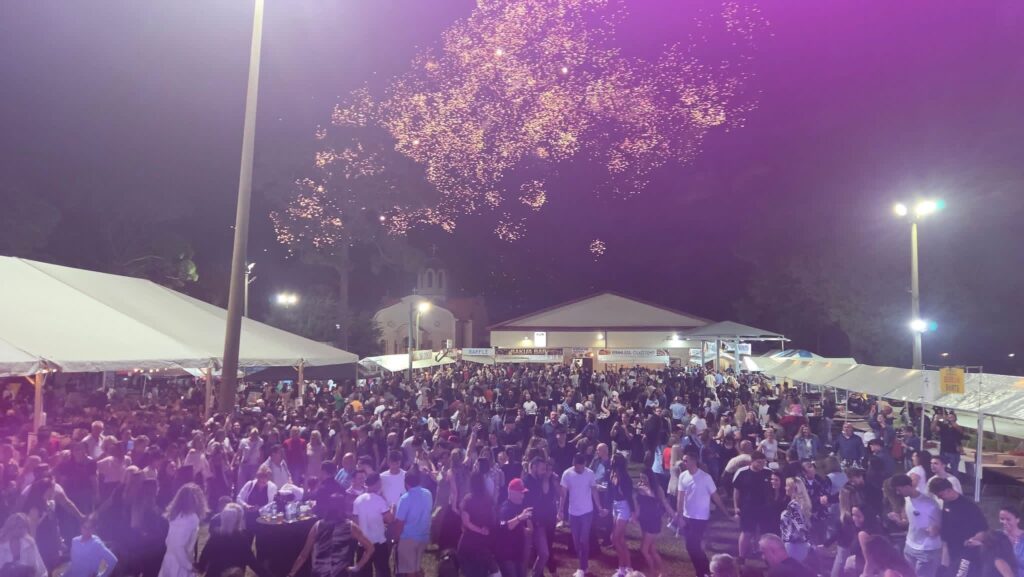
The diaspora vote adds an international dimension to the election, with Serbian communities across North America, Europe and other parts of the world participating in the country’s political process.