Preliminary projections give the student-backed list a commanding parliamentary majority, ending more than a decade of dominance by Aleksandar Vučić and his Serbian Progressive Party. Celebrations erupt across Belgrade as Serbia faces a potential political turning point.
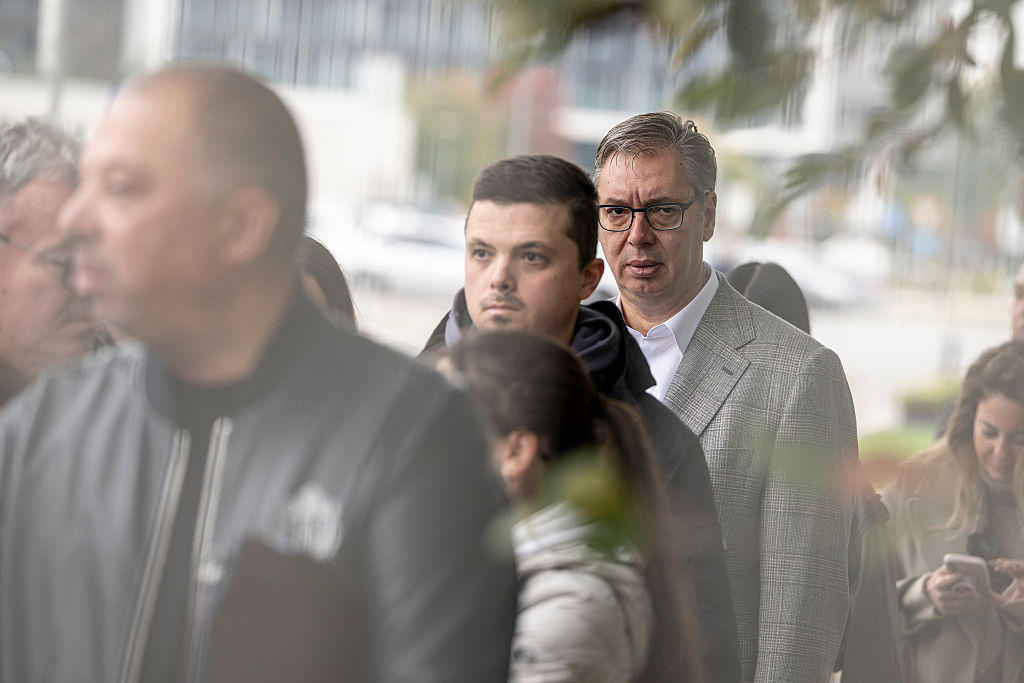
Aleksandar Vučić conceded defeat in Serbia’s early parliamentary elections on Sunday night, October 25, acknowledging that the student-backed electoral list had won a decisive victory in a vote that could reshape the country’s political future and have repercussions throughout the Balkan region.
Appearing at the headquarters of the Serbian Progressive Party (SNS), Vučić acknowledged that his coalition had lost the election. Preliminary projections indicated that the Student List would secure between 135 and 140 seats in Serbia’s 250-member National Assembly, compared with approximately 105 seats for the ruling coalition.
According to figures cited by Vučić, his coalition received approximately 1.7 million votes, while the student-backed list won around 2.2 million.
Preliminary estimates from Ipsos and CeSID put support for the Student List at approximately 52%, compared with about 39% for Vučić’s coalition. Official results had not yet been finalized at the time of his concession.
The projected outcome represents a major political setback for the SNS, which has dominated Serbian politics since 2012. Vučić has held several senior government positions, including prime minister and president, and has remained the central figure in Serbian politics for more than a decade.
A Turning Point for Serbia and the Balkans
The result could mark one of the most consequential political shifts in Serbia in recent years, with potential implications for regional relations, European integration and the balance of political influence across the Western Balkans.
The outcome also comes amid broader political changes in Central and Southeastern Europe, where questions about democratic institutions, government accountability and public trust have become increasingly prominent.
The final distribution of parliamentary seats will depend on the official results and the allocation of seats to national minority parties. The Socialist Party of Serbia, led by Ivica Dačić, was also facing the possibility of losing its parliamentary representation under the preliminary projections.
Two Years of Student Protests Lead to the Ballot Box
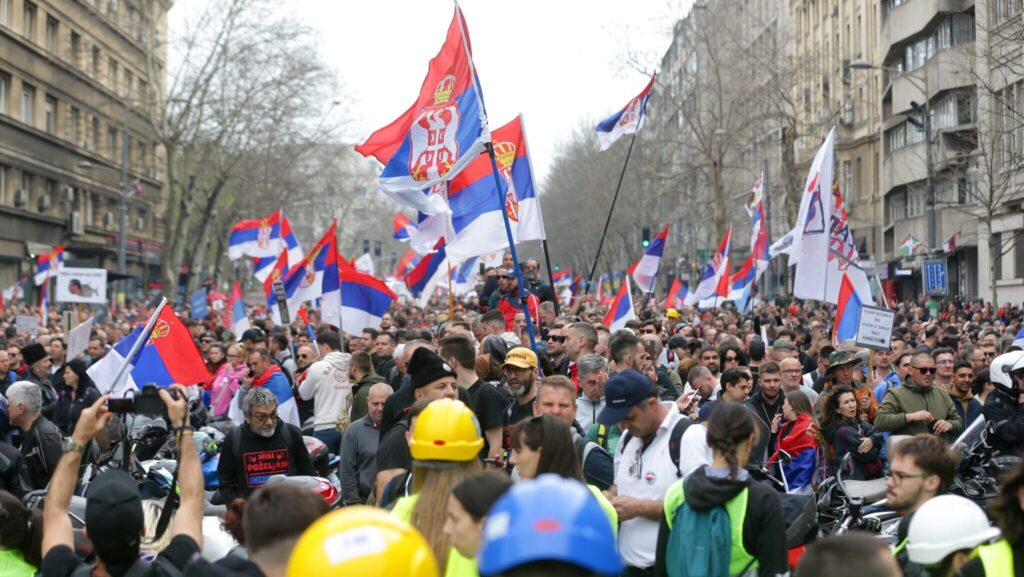
The Student List’s victory follows nearly two years of student-led demonstrations that began after the collapse of a railway station canopy in Novi Sad in November 2024, killing 16 people.
The tragedy triggered widespread public anger and demands for accountability, transparency and action against corruption. University students became the driving force behind a nationwide protest movement that gradually expanded beyond campuses and attracted support from different segments of Serbian society.
Rather than limiting their campaign to major urban centers, students traveled throughout the country to reach smaller towns and communities. They walked, cycled and rode motorcycles as they sought to engage voters directly and present their demands for political change.
Their message centered on accountability, stronger institutions and the need to confront corruption and alleged abuses of power.
The election result suggests that the movement succeeded in mobilizing voters who had previously been less engaged in electoral politics.
High Turnout Strengthens the Significance of the Result
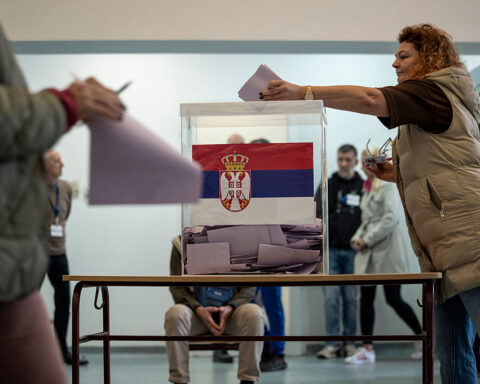
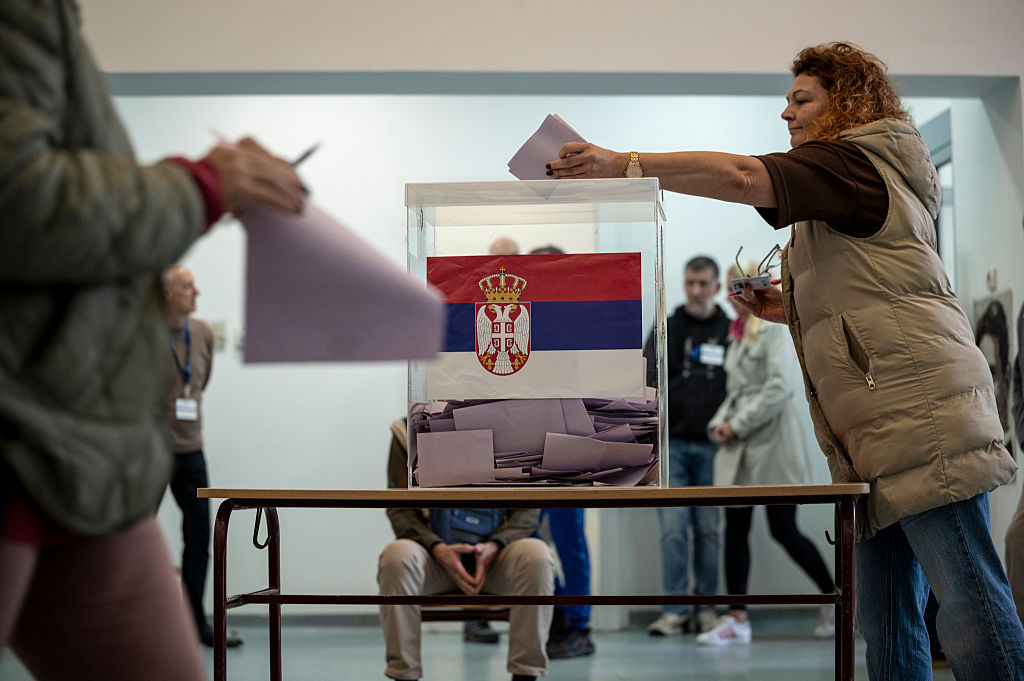
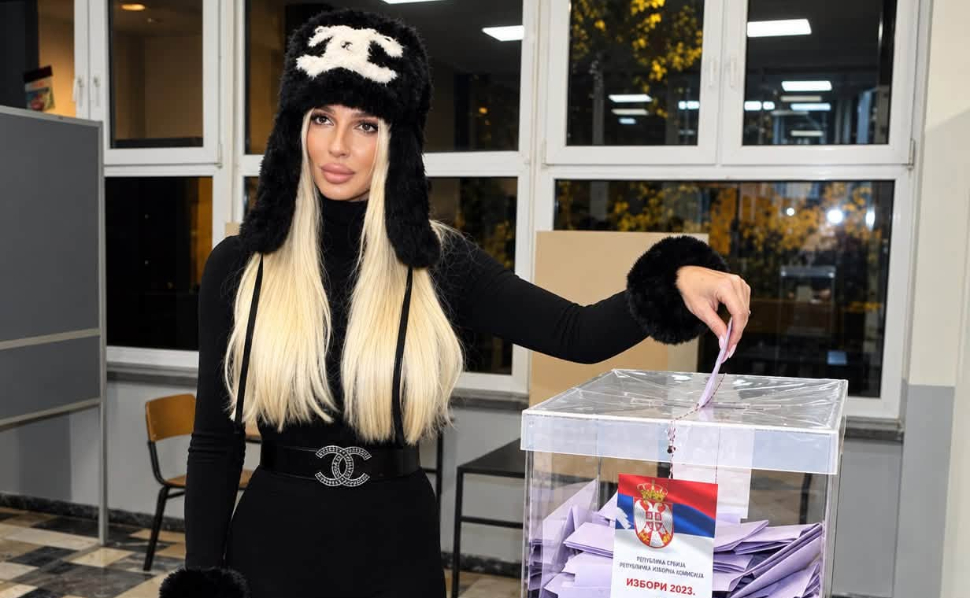
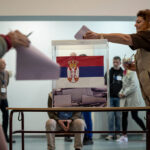
Voter participation was exceptionally high, with preliminary estimates placing turnout at approximately 70%.
Major urban centers, including Belgrade, Novi Sad and Niš, reportedly recorded turnout exceeding 73%, according to figures cited in the initial reports.
Some Serbian analysts have argued that the effective turnout among people actually living in the country could be considerably higher than the headline figure, given the discrepancy between the number of registered voters and Serbia’s resident population. However, such estimates require further verification and should be distinguished from official turnout figures.
The high participation rate underscores the importance of the election and the extent to which the student movement managed to bring its campaign to voters across Serbia.

Vučić Blames Independent Media and Foreign Interference
Following his concession, Vučić accused independent media, the student movement and foreign actors of contributing to his coalition’s defeat.
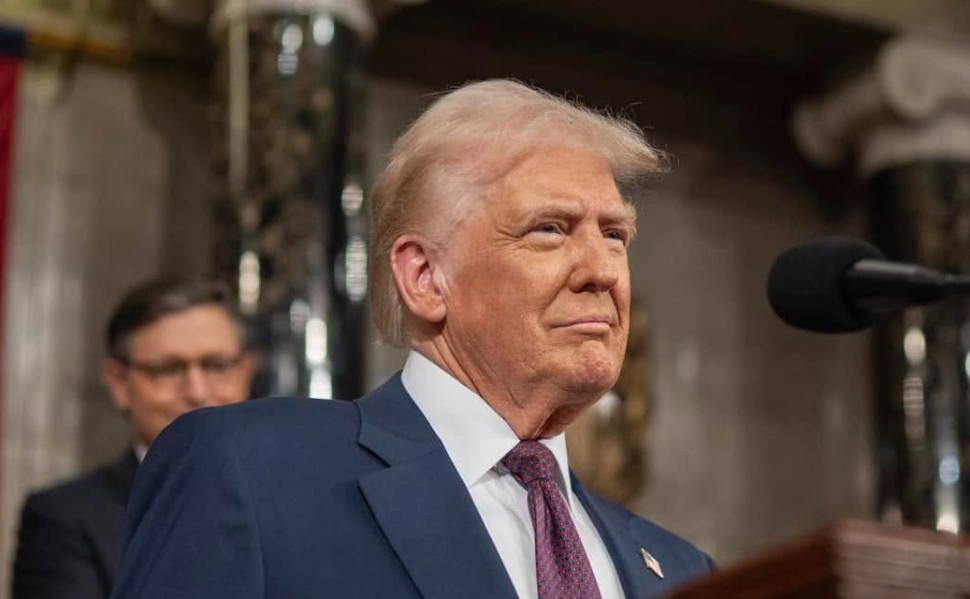
He alleged that certain European countries and what he described as the “American deep state” had worked against him, referring to forces he claimed were also opposed to U.S. President Donald Trump.
These allegations were made by Vučić following the preliminary election projections. They had not been independently substantiated.
Despite the accusations, Vučić acknowledged that the Student List had won the election, marking a dramatic moment for a political leader who has been at the center of Serbian public life for more than a decade.
Celebrations Erupt Across Belgrade
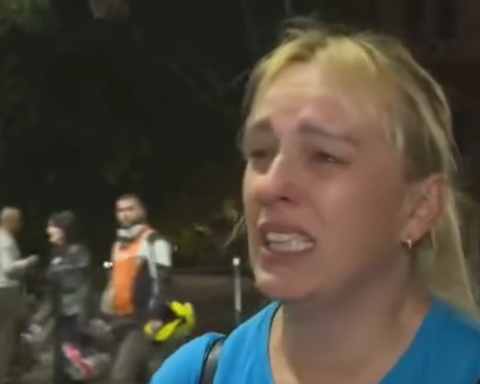
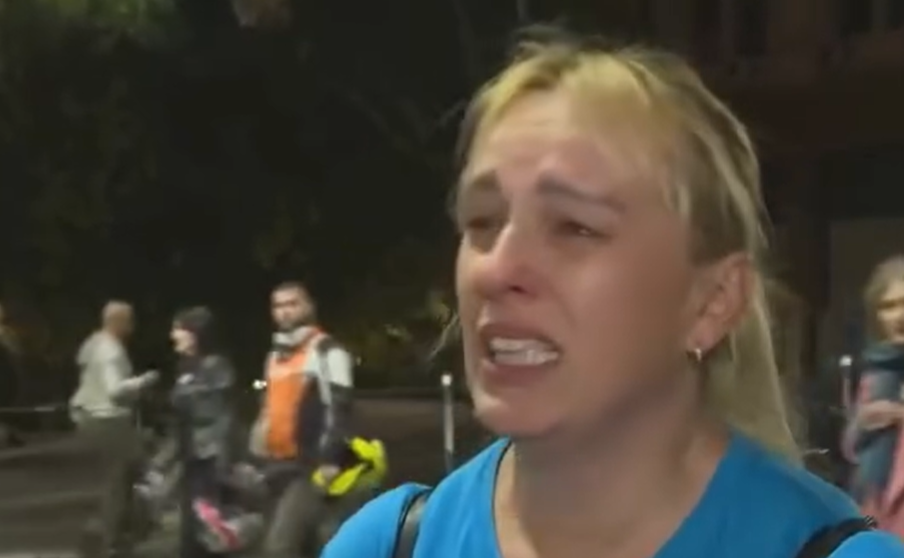
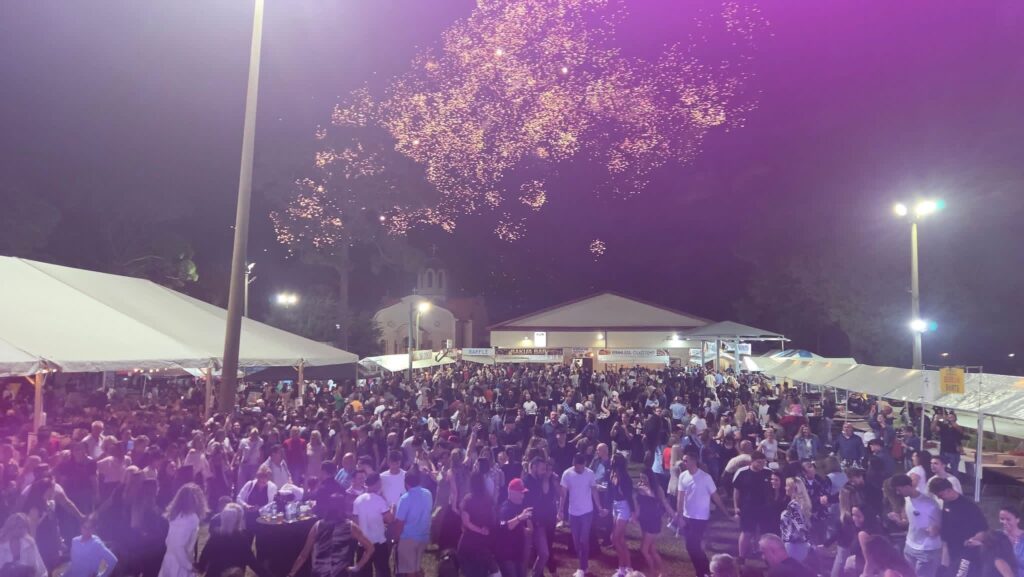
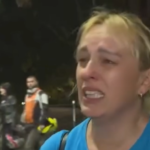
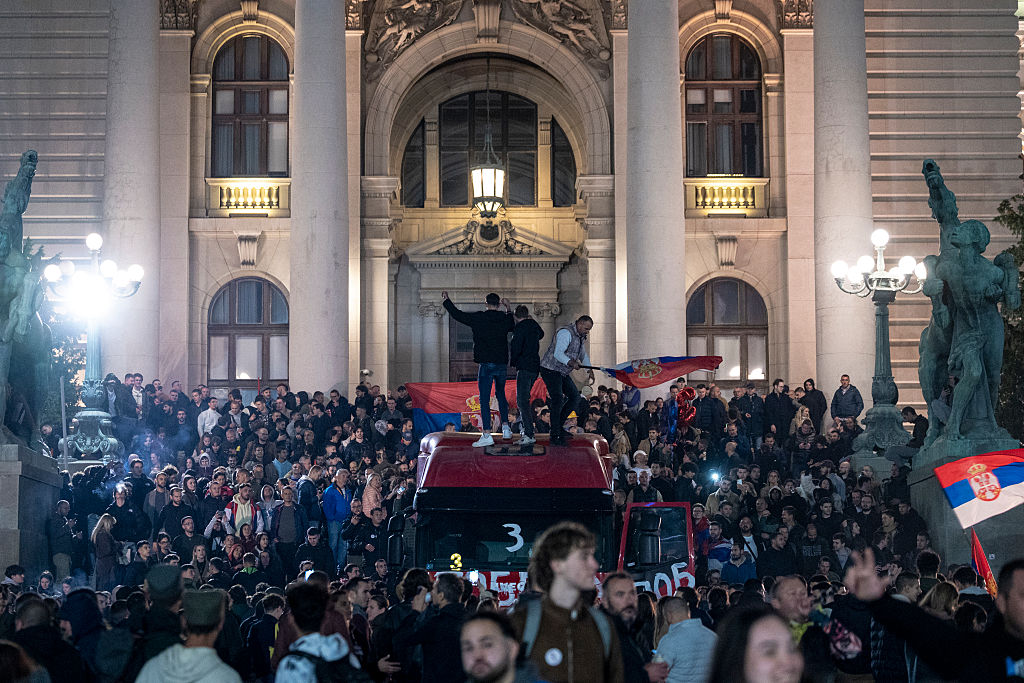
Following Vučić’s announcement, crowds gathered in the streets of Belgrade, where supporters of the student movement celebrated the projected result.
People took to the streets amid scenes of excitement and disbelief, while cars honked and crowds celebrated what many viewed as a historic moment for the country.
For the student movement, the projected victory represents the culmination of a long campaign that began with demands for accountability following the Novi Sad tragedy and evolved into a nationwide challenge to the established political leadership.
For Serbia, the next challenge will be translating the electoral result into a functioning government and determining whether the movement can deliver on its promises of institutional reform, transparency and accountability.
The final results and the formation of a new government will determine the extent of the political transformation now unfolding in Serbia.
First Balkan Media will continue to follow developments in Serbia and their implications for the Balkan region.