Iran has shown no signs of rebuilding nuclear facilities damaged by US and Israeli military strikes in 2025 and 2026, according to the head of the United Nations nuclear watchdog. The assessment comes as President Donald Trump’s administration continues to press Tehran over its nuclear program and international inspection requirements.
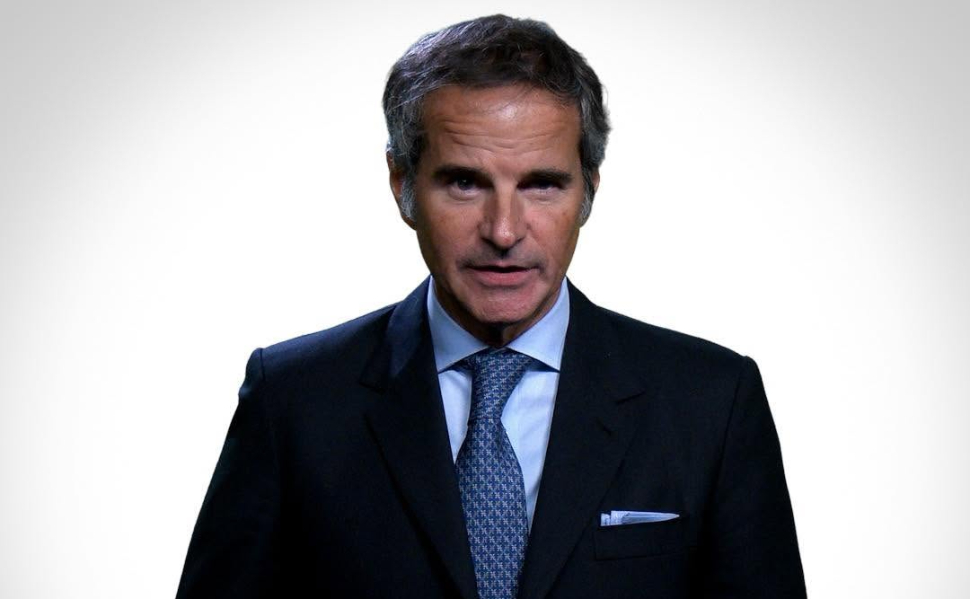
International Atomic Energy Agency (IAEA) Director General Rafael Grossi presented the findings during a UN Security Council meeting on Tuesday, October 27.
The agency has not identified any repair or reconstruction activity at the facilities damaged during the military operations, Grossi said.
The findings provide an important update on the condition of Iran’s nuclear infrastructure following US and Israeli strikes. However, the IAEA emphasized that its ability to independently assess Iran’s nuclear activities remains limited.
Nuclear Inspections Remain a Major Concern
Grossi called on Iran to restore access for international inspectors, including to facilities damaged during the attacks.
The agency has been unable to verify the status of Iran’s previously declared stockpile of highly enriched uranium since US strikes in June 2025.
According to the IAEA, Iran previously reported approximately 440.9 kilograms of uranium enriched to levels of up to 60 percent purity.
Uranium enriched to 90 percent is generally considered weapons-grade material, although producing a functioning nuclear weapon requires additional technical steps.
Iran maintains that its nuclear program is intended for peaceful purposes.
The IAEA’s assessment does not establish that Iran has abandoned its nuclear activities. Without renewed inspections, the agency cannot fully account for the country’s nuclear material or confirm that it has not been diverted from peaceful uses.
Trump Administration Calls for Iranian Compliance
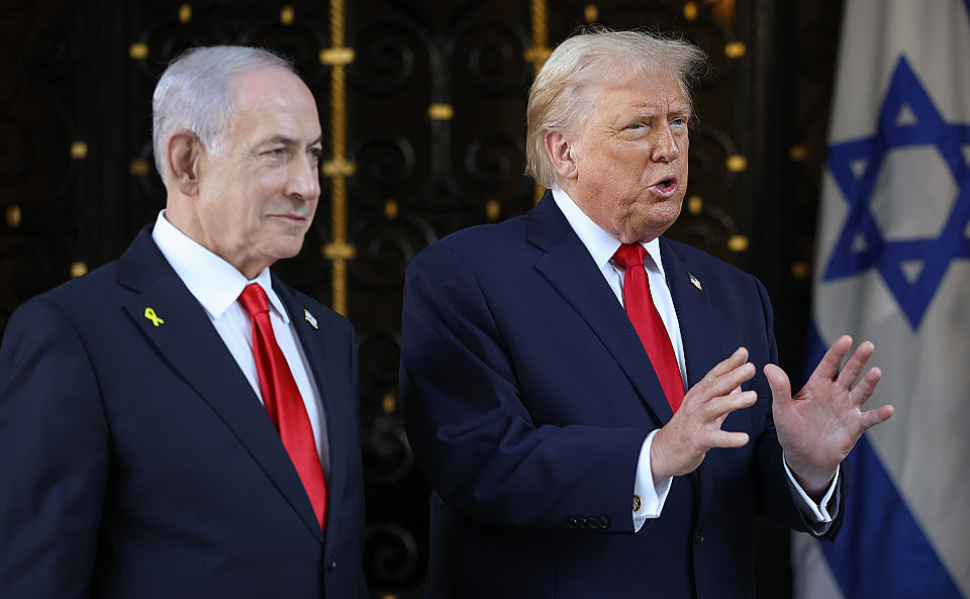
President Donald Trump has repeatedly described preventing Iran from developing nuclear weapons as a major US national security priority.
His administration has defended military operations against Iranian nuclear infrastructure while continuing to demand greater transparency from Tehran.
During the Security Council meeting, US Ambassador to the United Nations Mike Waltz criticized Iran for failing to meet its nuclear safeguards obligations.
Iran’s deputy UN ambassador, Gholamhossein Darzi, condemned the American and Israeli military operations and challenged the international scrutiny directed at Tehran.
The Security Council discussion followed the IAEA’s referral of Iran over concerns about compliance with its nuclear nonproliferation commitments.
The latest findings leave two separate issues unresolved: the extent of damage to Iran’s nuclear infrastructure and the status of nuclear material that international inspectors have not been able to verify.
Washington and its international partners continue to seek Iranian cooperation with the IAEA as diplomatic efforts over the country’s nuclear program remain uncertain.